Red Meats Guide: What Counts, How Types Compare, and How to Choose Wisely
Red meats include beef, lamb, pork, veal, venison, goat, bison, and other mammal meats that contain more myoglobin than poultry or fish. That protein gives these meats their darker color and richer flavor. Still, not every cut tastes, cooks, or nourishes the same way. A lean sirloin steak, a slow-cooked chuck roast, pork tenderloin, and lamb shoulder all bring different textures, fat levels, nutrients, and best cooking methods to the table.
What Counts as Red Meat?
Red meat usually comes from mammals. Beef, pork, lamb, veal, goat, venison, mutton, bison, and elk all fall into this category. Although pork often looks lighter after cooking, it still counts because of its myoglobin content.
By contrast, chicken, turkey, duck, fish, and seafood fall outside the category. However, duck can look dark, and some fish have deep color, so color alone can confuse shoppers. Instead, think about the animal source first.
For everyday cooking, beef remains the most familiar option in American kitchens. Ground beef works well in burgers, meat sauces, and casseroles, while chuck roast shines in slow-cooked comfort meals like this Mississippi roast recipe. Lamb brings a grassy, slightly sweet flavor. Pork offers mild flavor and versatility, especially in quick dinners like dump-and-go smothered pork chops.
Red Meats Compared by Type
| Type | Flavor | Best Uses |
|---|---|---|
| Beef | Rich, savory, bold | Steaks, roasts, burgers, stews |
| Pork | Mild, slightly sweet | Chops, tenderloin, ribs, sausage |
| Lamb | Earthy, rich, distinctive | Chops, kebabs, roasts, stews |
| Venison | Lean, deep, gamey | Steaks, chili, stews |
| Bison | Clean, beef-like, slightly sweet | Burgers, steaks, bowls |
Fresh Red Meats vs Processed Meat
Fresh red meats include cuts like steak, pork chops, lamb chops, ground beef, roasts, and stew meat. Processed meat includes bacon, sausage, hot dogs, deli meats, cured ham, pepperoni, and salami. Processing adds curing, smoking, salting, or preservatives, which changes both flavor and nutrition.
For balanced meals, choose fresh cuts more often. Then, use processed options as occasional flavor boosters. For example, a little sausage can add depth to a stew, and this white bean and sausage stew shows how a small amount can carry big flavor.
Lean vs Fatty Cuts
Lean red meats usually include beef sirloin, tenderloin, eye of round, pork tenderloin, loin chops, venison, and bison. These cuts offer protein with less fat, so they work well for quick searing, grilling, roasting, and meal prep.
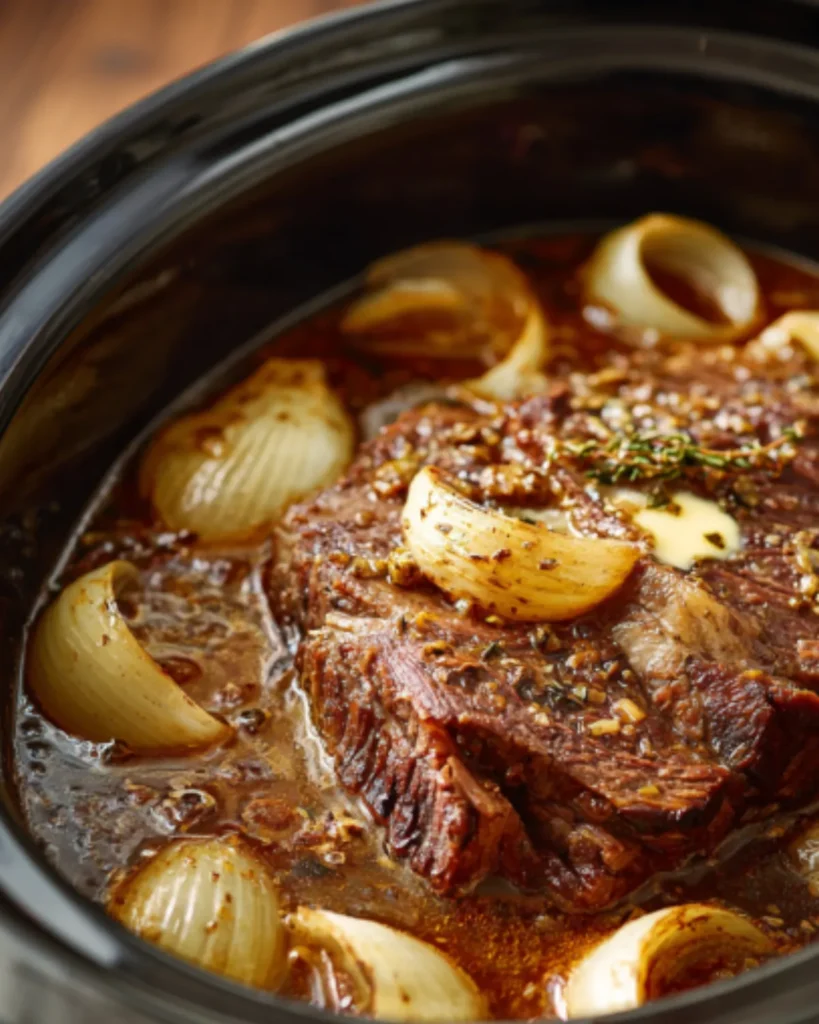
Fatty cuts include ribeye, brisket, short ribs, pork belly, lamb shoulder, and well-marbled chuck. These options bring more richness and tenderness, especially when you cook them low and slow. That’s why recipes like slow cooker garlic butter beef work so well with tougher, richer cuts.
Best Cooking Methods for Red Meats
Match the cooking method to the cut. Tender cuts need quick heat. Tough cuts need time.
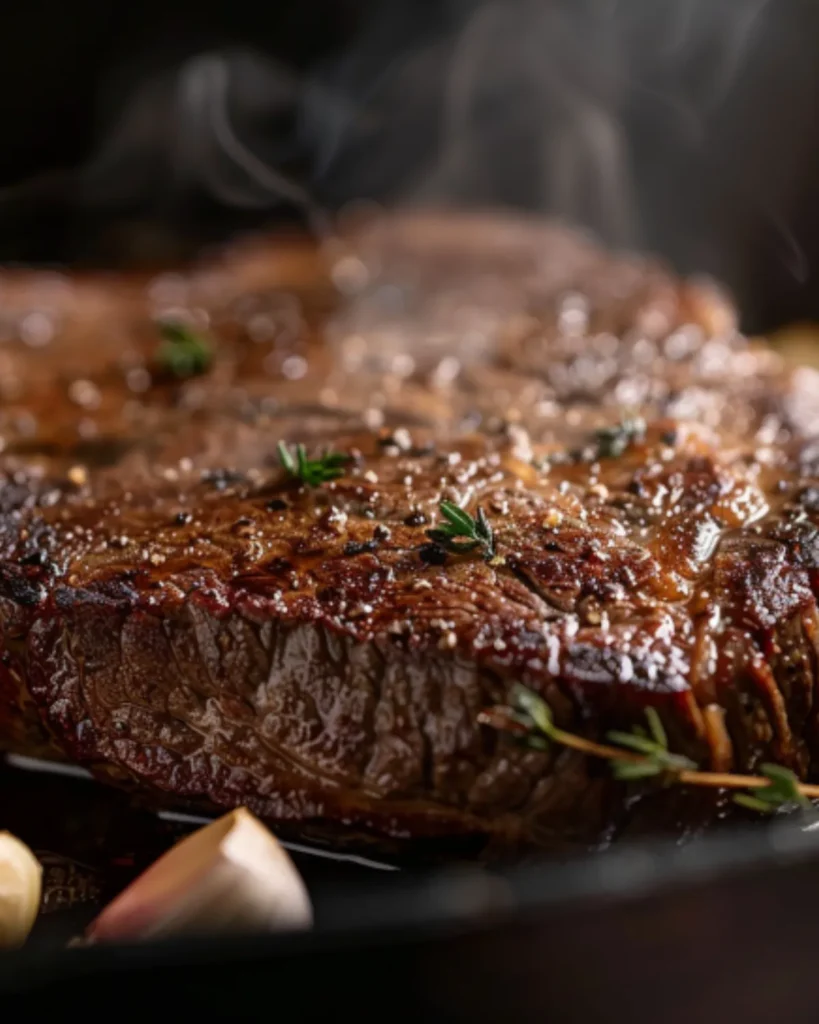
Steaks, lamb chops, pork tenderloin, and bison burgers cook best with grilling, broiling, pan-searing, or roasting. Chuck roast, brisket, pork shoulder, lamb shoulder, and stew meat need braising, slow cooking, or pressure cooking. For deep comfort-food flavor, beef stew and chili use tougher cuts beautifully, as shown in slow cooker beef stew and crowd-pleasing chuck roast chili.
How to Choose Red Meats at the Store
Look for fresh color, clean packaging, and a mild smell. Beef often looks cherry-red when exposed to oxygen, while vacuum-sealed beef may appear darker until opened. Pork should look pink, not gray. Lamb often has a deeper shade than pork and a softer fat cap.
Also, check labels. “Lean” and “extra lean” ground meats help when you want less fat. Bone-in cuts bring more flavor, while boneless cuts offer easier prep. For slow-cooked meals, choose cuts with connective tissue because they turn tender with time.
FAQ About Red Meats
Is pork considered red meat?
Yes. Pork counts as red meat because it comes from a mammal and contains more myoglobin than poultry or fish.
What are the healthiest red meats?
Lean cuts often make the best everyday choices. Try sirloin, tenderloin, pork tenderloin, eye of round, bison, or venison.
Is ground beef red meat?
Yes. Ground beef counts as red meat. Its fat level changes depending on the lean-to-fat ratio, such as 90/10 or 80/20.
Are red meats bad for you?
Red meats can fit into a balanced diet when you choose sensible portions, favor lean cuts, and limit processed meats.
Conclusion
Red meats include more than steak. Beef, pork, lamb, veal, venison, goat, and bison all qualify, yet each one brings different flavor, texture, fat, and cooking needs. Choose lean cuts for quick, lighter meals. Choose tougher, richer cuts for slow-cooked comfort food. Most importantly, match the cut to the method, and these meats become easier to understand, cook, and enjoy.
Short Recipe Version
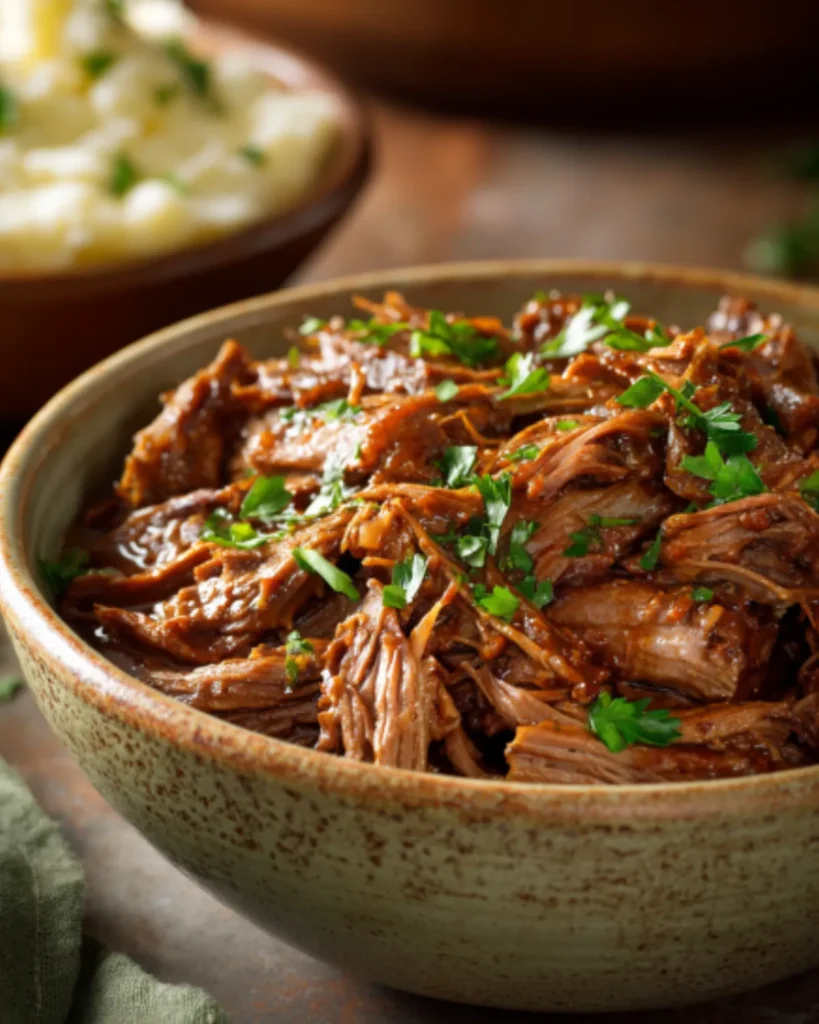
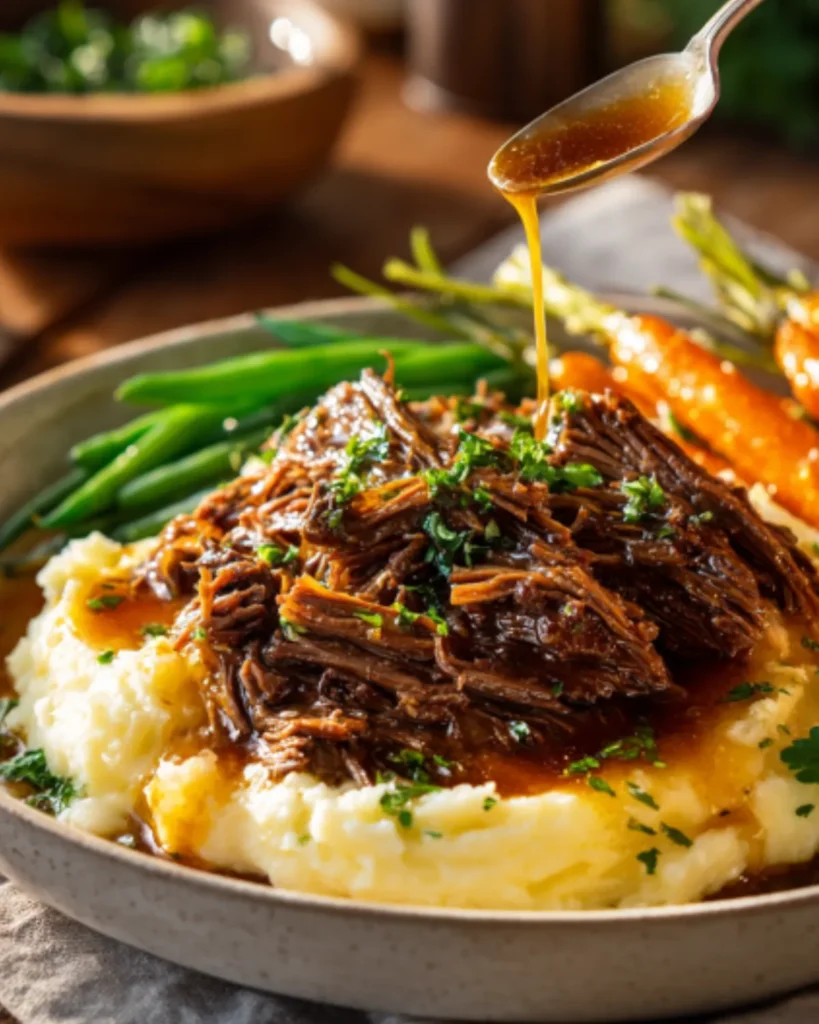
Slow Cooker Garlic Butter Beef is a cozy, flavorful dinner that shows why red meats work so well with low-and-slow cooking. Start with a chuck roast, season it with salt, pepper, paprika, onion powder, and thyme, then sear it for extra flavor. Place onions in the slow cooker, add the beef, and pour in broth, Worcestershire sauce, tomato paste, and garlic. Top with butter, then cook on low until tender. Shred the beef, thicken the juices with cornstarch, and return everything to the sauce. Serve warm with mashed potatoes, rice, noodles, or roasted vegetables.
Print
Red Meats Guide: 7 Helpful Types Compared Clearly
- Total Time: 8 hours 15 minutes
- Yield: 6 servings 1x
- Diet: Gluten Free
Description
This slow cooker garlic butter beef recipe turns a simple chuck roast into a tender, rich, family-style dinner with deep savory flavor. It uses classic red meats cooking principles: choose a tougher cut, season it well, cook it low and slow, and let time create juicy, pull-apart texture. Serve it with mashed potatoes, rice, roasted vegetables, or warm dinner rolls for an easy comfort meal.
Ingredients
3 pounds beef chuck roast
1 tablespoon olive oil
1 teaspoon kosher salt
1 teaspoon black pepper
1 teaspoon smoked paprika
1 teaspoon onion powder
1 teaspoon dried thyme
6 garlic cloves, minced
4 tablespoons unsalted butter, sliced
1 cup low-sodium beef broth
1 tablespoon Worcestershire sauce
1 tablespoon tomato paste
1 medium yellow onion, sliced
2 tablespoons cornstarch
2 tablespoons cold water
Fresh parsley, chopped, for serving
Instructions
1. Pat the chuck roast dry with paper towels, then season all sides with salt, pepper, smoked paprika, onion powder, and dried thyme.
2. Heat olive oil in a large skillet over medium-high heat, then sear the roast for 3 to 4 minutes per side until browned.
3. Place sliced onion in the bottom of the slow cooker, then set the seared beef on top.
4. Whisk beef broth, Worcestershire sauce, tomato paste, and minced garlic in a small bowl, then pour the mixture around the beef.
5. Place butter slices over the top of the roast.
6. Cover and cook on low for 8 hours or on high for 4 to 5 hours, until the beef pulls apart easily with a fork.
7. Transfer the beef to a cutting board, then shred or slice it.
8. Whisk cornstarch and cold water together, then stir the slurry into the slow cooker juices.
9. Cover and cook on high for 10 to 15 minutes until the sauce thickens.
10. Return the beef to the sauce, toss gently, garnish with parsley, and serve warm.
Notes
For the most tender result, use chuck roast, shoulder roast, or another well-marbled beef cut.
Searing adds deeper flavor, but you can skip it when you need a faster prep.
If the sauce tastes too rich, add a splash of broth or a squeeze of lemon before serving.
Store leftovers in an airtight container in the refrigerator for up to 4 days.
Freeze leftovers for up to 3 months.
Serve with mashed potatoes, buttered noodles, rice, roasted carrots, or crusty bread.
- Prep Time: 15 minutes
- Cook Time: 8 hours
- Category: Dinner
- Method: Slow Cooker
- Cuisine: American
Nutrition
- Serving Size: 1 serving
- Calories: 465
- Sugar: 2 g
- Sodium: 520 mg
- Fat: 29 g
- Saturated Fat: 12 g
- Unsaturated Fat: 15 g
- Trans Fat: 0.5 g
- Carbohydrates: 7 g
- Fiber: 1 g
- Protein: 43 g
- Cholesterol: 145 mg