
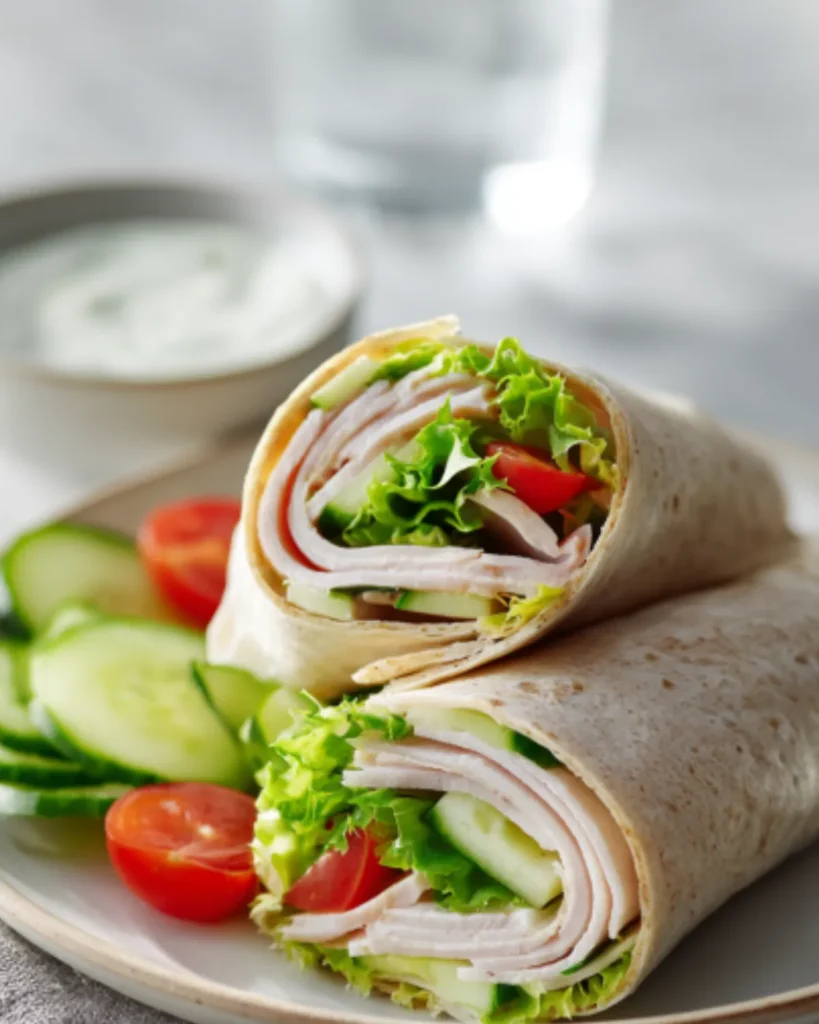
Processed Meats: What Counts and How to Read Labels
Processed meats show up in lunchboxes, breakfast plates, sandwiches, party boards, and quick weeknight meals. Still, many shoppers don’t know exactly what counts as processed meat. The answer matters because labels can look confusing, and similar products can vary a lot in sodium, added sugar, preservatives, and meat quality. In this guide, you’ll learn what processed meats are, which foods fall into this category, how to read ingredient labels, and how to make more informed choices at the grocery store.
What Are Processed Meats?
Processed meats are meats that manufacturers change from their original fresh form through curing, smoking, salting, fermenting, drying, canning, or adding preservatives. These methods can boost flavor, extend shelf life, improve texture, or make the meat easier to prepare.
Common processed meats include bacon, ham, sausage, hot dogs, salami, pepperoni, deli turkey, bologna, corned beef, beef jerky, canned meat, and many cured meats. Some products only go through light processing, while others contain added sodium, sugar, flavorings, binders, and preservatives.
For a broader meat-buying cluster, you can connect this article naturally to your future Best Meats buyer guide and your Deli Meats guide when those pages go live.
Processed vs. Unprocessed Meat
Fresh chicken breast, steak, pork chops, ground beef, and fish count as unprocessed when they contain only the meat itself. However, once a product gets cured, smoked, salted, seasoned with preservative blends, or formed into ready-to-eat meat products, it usually moves into the processed category.
| Meat Type | Examples | What to Check |
|---|---|---|
| Fresh meat | Chicken breast, steak, pork chops | Ingredients should list only meat |
| Lightly processed meat | Pre-seasoned chicken, marinated beef | Sodium, sugar, oils, additives |
| Processed meat | Bacon, sausage, hot dogs, deli meats | Preservatives, sodium, nitrites, fillers |
How to Read Processed Meat Labels
Start with the ingredient list. The first ingredient should name the meat clearly, such as turkey, beef, pork, or chicken. Then, scan for added water, salt, sugar, corn syrup, smoke flavor, sodium phosphate, sodium nitrite, sodium nitrate, celery powder, and other curing ingredients.
Next, check the Nutrition Facts panel. Sodium often makes the biggest difference between brands. Therefore, compare serving sizes carefully. A package may look moderate until you notice that one serving equals only two thin slices.
Also, watch claims like “natural,” “uncured,” and “no nitrates added.” These claims can still appear on products cured with celery powder or sea salt. So, always read the full ingredient list instead of relying only on the front label.
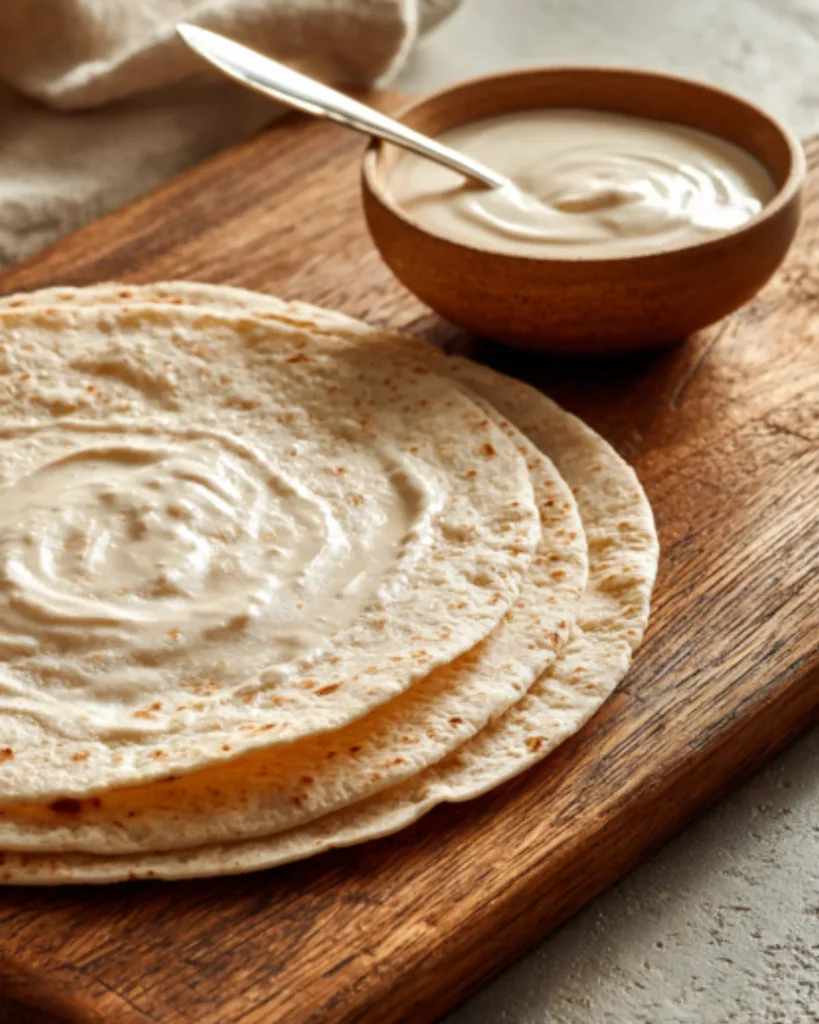
Smarter Ways to Buy and Use Processed Meats
You don’t need to panic over every slice of deli turkey or piece of bacon. Instead, use processed meats with intention. Choose shorter ingredient lists, compare sodium, and treat strongly cured or smoked meats as flavor boosters rather than the center of every meal.
For example, you can add a small amount of bacon to a bean soup, pair deli turkey with vegetables and whole-grain bread, or use sausage alongside roasted peppers instead of serving a large portion alone. For more comparison support, link this article to your future Healthy Meats guide, Lean Meats list, and Cured Meats guide.
FAQs About Processed Meats
Are all deli meats processed?
Yes, most deli meats count as processed because producers usually cook, cure, salt, smoke, slice, or preserve them before sale.
Is ground beef a processed meat?
Plain ground beef does not count as processed meat when it contains only beef. However, seasoned patties or prepared meat mixtures may count as processed.
What should I avoid on processed meat labels?
Look closely at high sodium, added sugars, long additive lists, and curing agents such as sodium nitrite or sodium nitrate.
Are “uncured” meats still processed?
Yes. “Uncured” meats can still count as processed meats if producers preserve them with salt, celery powder, smoke, or similar ingredients.
Conclusion
Processed meats include many familiar foods, from bacon and sausage to deli slices and hot dogs. The key is learning how each product gets made and what the label reveals. When you compare ingredients, sodium, preservatives, and serving sizes, you can shop with more confidence and build meals that fit your routine.
Short Recipe Version
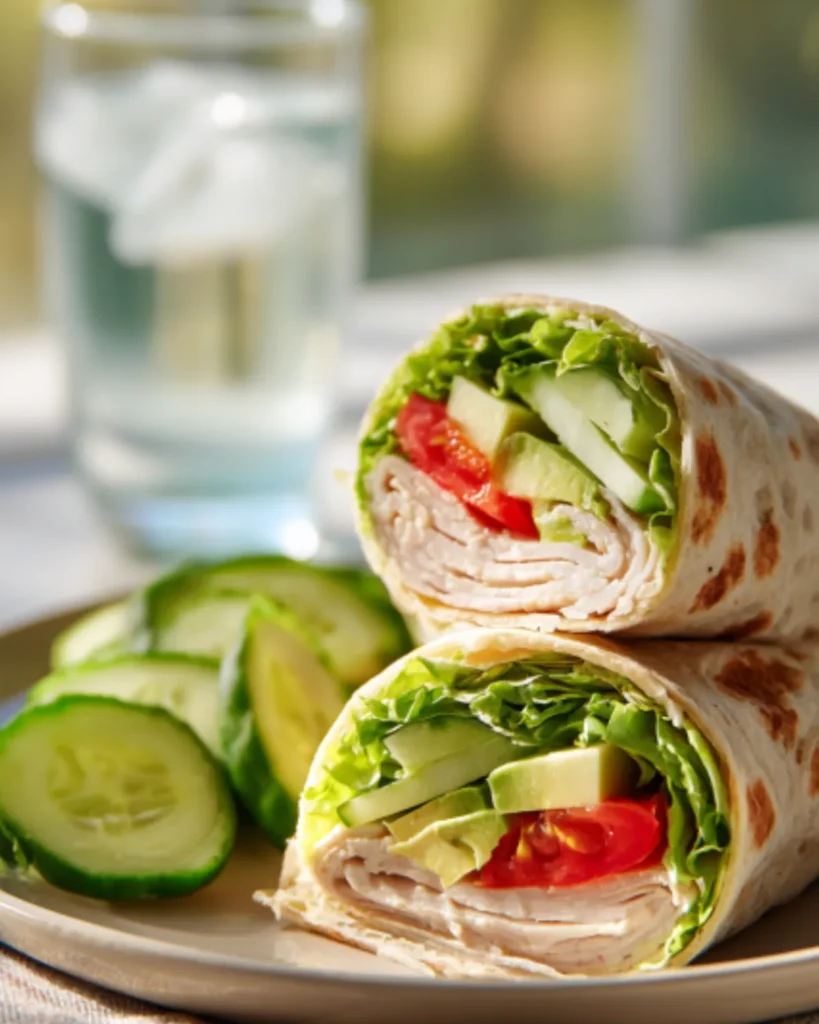
This deli turkey avocado wrap makes processed meats easier to use in a smarter, fresher way. Start with a whole-wheat tortilla, then spread on a quick Greek yogurt and Dijon sauce. Add lower-sodium deli turkey, avocado slices, romaine lettuce, cucumber, tomato, and parsley. Roll it tightly, slice it in half, and enjoy a fast lunch with protein, crunch, and creamy flavor. For the best choice, compare processed meats by checking sodium, ingredients, and serving size before buying. You can also swap deli turkey for roasted chicken if you want a less processed option.
Print
Processed Meats Guide: 7 Simple Label Secrets
- Total Time: 10 minutes
- Yield: 1 wrap 1x
Description
A quick, balanced deli turkey avocado wrap that helps readers understand how to use processed meats in a smarter way. This recipe uses lower-sodium deli turkey, fresh vegetables, creamy avocado, and a whole-wheat tortilla for an easy lunch that feels fresh, filling, and practical.
Ingredients
1 large whole-wheat tortilla
3 ounces lower-sodium deli turkey
1/2 ripe avocado, sliced
1/2 cup shredded romaine lettuce
1/4 cup sliced cucumber
1/4 cup thinly sliced tomato
1 tablespoon plain Greek yogurt
1 teaspoon Dijon mustard
1 teaspoon lemon juice
1 pinch black pepper
1 tablespoon chopped parsley, optional
Instructions
1. Lay the tortilla flat on a clean cutting board.
2. Stir Greek yogurt, Dijon mustard, lemon juice, and black pepper in a small bowl.
3. Spread the sauce evenly over the tortilla, leaving a small border around the edge.
4. Layer the lower-sodium deli turkey across the center of the tortilla.
5. Add avocado, romaine lettuce, cucumber, tomato, and parsley.
6. Fold in the sides, then roll the tortilla tightly from the bottom up.
7. Slice the wrap in half and serve right away, or wrap it in parchment for lunch.
Notes
Choose deli turkey with a short ingredient list when possible.
Compare sodium levels between brands before buying processed meats.
Use roasted chicken breast instead of deli turkey if you want an unprocessed option.
Add extra vegetables to make the wrap more filling without adding much sodium.
For meal prep, keep tomato separate until serving so the tortilla stays firm.
- Prep Time: 10 minutes
- Cook Time: 0 minutes
- Category: Lunch
- Method: No-Cook
- Cuisine: American
Nutrition
- Serving Size: 1 wrap
- Calories: 385
- Sugar: 4g
- Sodium: 620mg
- Fat: 18g
- Saturated Fat: 4g
- Unsaturated Fat: 13g
- Trans Fat: 0g
- Carbohydrates: 34g
- Fiber: 8g
- Protein: 25g
- Cholesterol: 45mg