Healthy Meats: A Cautious Guide to Choosing Meat for a Balanced Diet
Choosing healthy meats can feel confusing. One headline praises chicken breast, another warns about red meat, and grocery labels add even more noise. The truth sits somewhere in the middle: meat can fit a balanced diet, but the type, cut, portion, cooking method, and overall meal matter.
This guide keeps things practical. Instead of calling one meat “perfect,” we’ll look at smart choices, what to limit, and how to build a plate that feels satisfying without leaning too heavily on any one food.
What “Healthy Meats” Really Means
Healthy meats usually offer useful protein, important minerals, and satisfying flavor without bringing too much saturated fat, sodium, or heavy processing. However, no meat works like a magic health food. Your full eating pattern matters more than one ingredient.
For everyday meals, many people choose lean poultry, fish, seafood, and lean cuts of beef or pork. These options can support protein needs while leaving room for vegetables, beans, whole grains, potatoes, fruit, and healthy fats.
For a stronger site structure, this article can naturally link to your future guides like Lean Meats List for Everyday Cooking and High Protein Meats Compared because both topics help readers compare choices without overpromising.
Best Healthy Meats to Consider
Skinless chicken breast is one of the easiest healthy meats to cook because it stays lean and works in salads, rice bowls, wraps, soups, and air fryer dinners. Still, chicken thighs can also fit a balanced diet, especially when you trim extra skin and pair them with vegetables.
Turkey is another flexible option. Ground turkey, turkey breast, and turkey cutlets work well for burgers, chili, tacos, and meal prep. However, check labels on packaged turkey products because sodium can vary a lot.
Fish and seafood deserve a regular spot in many balanced diets. Salmon, tuna, cod, shrimp, trout, and sardines bring protein, and some fish provide beneficial fats. For readers who already enjoy air fryer cooking, linking to Air Fryer Salmon Recipes would add real value here.
Lean beef can also fit. Look for cuts like sirloin, tenderloin, eye of round, top round, or extra-lean ground beef. Beef brings protein, iron, zinc, and B vitamins, but portions and frequency matter.
Pork tenderloin and pork loin can work as leaner pork choices. However, bacon, sausage, ham, and many cured meats usually bring more sodium and processing, so treat them as occasional foods.
Meats to Limit or Choose Carefully
Processed meats need the most caution. Deli meats, bacon, sausage, hot dogs, cured meats, and many smoked meats often contain more sodium and preservatives. They may still appear in a meal sometimes, but they shouldn’t carry your everyday protein routine.
Red meat also deserves balance. You don’t need to panic over an occasional steak, burger, or pot roast. However, large portions of fatty cuts every day can crowd out other protein options. A helpful internal link here would be Red Meats Explained because it gives readers a deeper guide without forcing all details into this page.
Also, watch cooking methods. Grilling, baking, roasting, poaching, and air frying usually make it easier to control added fat. Deep frying or covering meat with heavy sauces can change the nutrition profile quickly.
How to Build a Balanced Plate With Meat
Start with a moderate portion of meat, then build the rest of the plate around color and fiber. Add vegetables, a filling carb, and a sauce or seasoning that brings flavor without relying only on salt.
For example, pair grilled chicken with roasted sweet potatoes and green beans. Serve salmon with rice and asparagus. Add lean beef strips to a vegetable stir-fry. Make turkey meatballs with marinara and a side salad.
This approach matters because healthy meats work best as part of a full meal, not as the whole meal. A useful internal link here would be Air Fryer Side Dishes for Chicken since sides help readers complete the plate.
Smart Buying Tips
Look for words like “loin,” “round,” “sirloin,” “tenderloin,” “skinless,” and “extra lean.” These terms often point toward leaner choices. Also, compare nutrition labels for sodium, saturated fat, and serving size.
When buying ground meat, check the lean-to-fat ratio. Extra-lean ground turkey or beef can work well for everyday cooking, while fattier versions may fit better for occasional recipes.
For deli meats, choose lower-sodium options when available, and pair them with fresh ingredients. Your future Deli Meats Guide would fit naturally here because shoppers often need label-reading help.
Simple Cooking Tips for Better Results
Season meat with garlic, paprika, lemon, herbs, pepper, vinegar, mustard, or spice blends instead of relying only on salt. Use marinades for flavor and tenderness. Also, cook meat to safe internal temperatures, then let it rest so it stays juicy.
For lean cuts, avoid overcooking. Chicken breast, pork tenderloin, and lean beef can dry out fast. A thermometer helps more than guessing.
FAQ
What are the healthiest meats to eat?
Many balanced choices include skinless poultry, fish, seafood, pork tenderloin, and lean beef cuts. The best option depends on your overall diet, health needs, budget, and taste.
Is red meat unhealthy?
Red meat isn’t automatically unhealthy, but portion size, cut, frequency, and cooking method matter. Lean cuts in moderate portions can fit many balanced diets.
Are deli meats healthy?
Deli meats can be convenient, but many contain higher sodium and processing. Choose lower-sodium options when possible and use them occasionally rather than daily.
What meat is best for high protein meals?
Chicken breast, turkey breast, fish, lean beef, pork tenderloin, and some seafood offer strong protein. Pair them with fiber-rich sides for a more balanced meal.
Conclusion
Healthy meats are not about strict rules or fear. They’re about choosing leaner cuts more often, limiting heavily processed options, cooking with care, and building complete meals. Start with simple swaps, keep portions reasonable, and choose variety across the week. This balanced approach gives readers useful guidance without turning food into a source of stress.
Short Story Version With Recipe
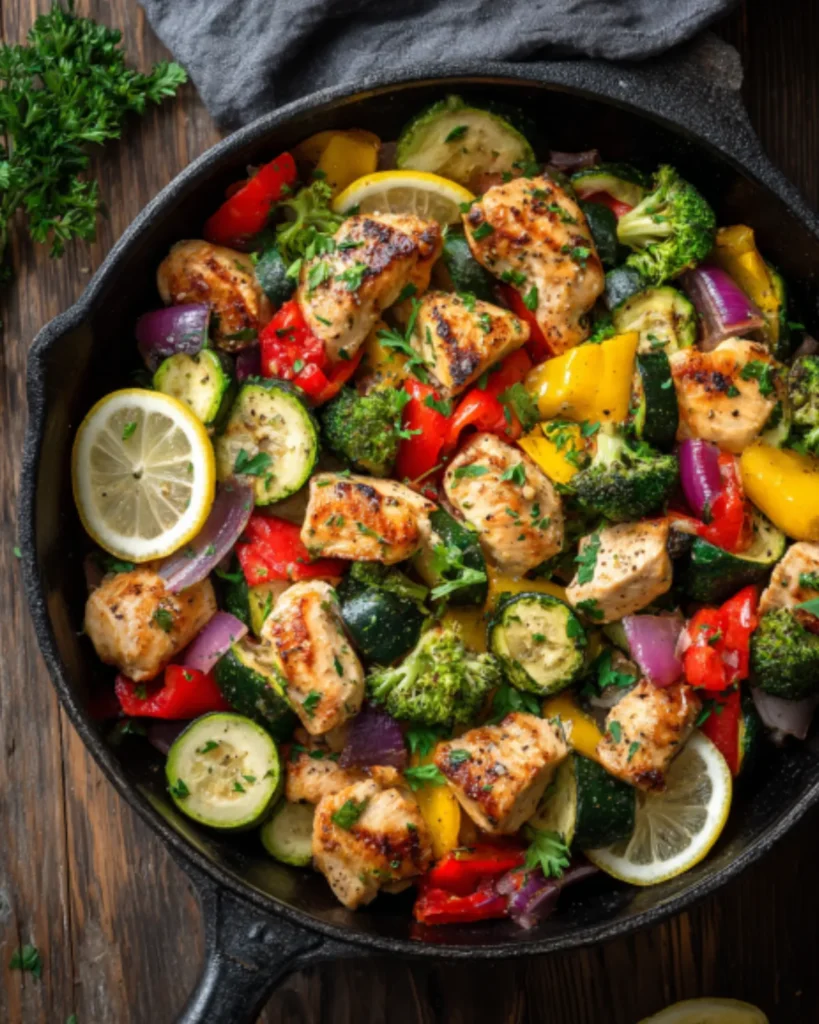
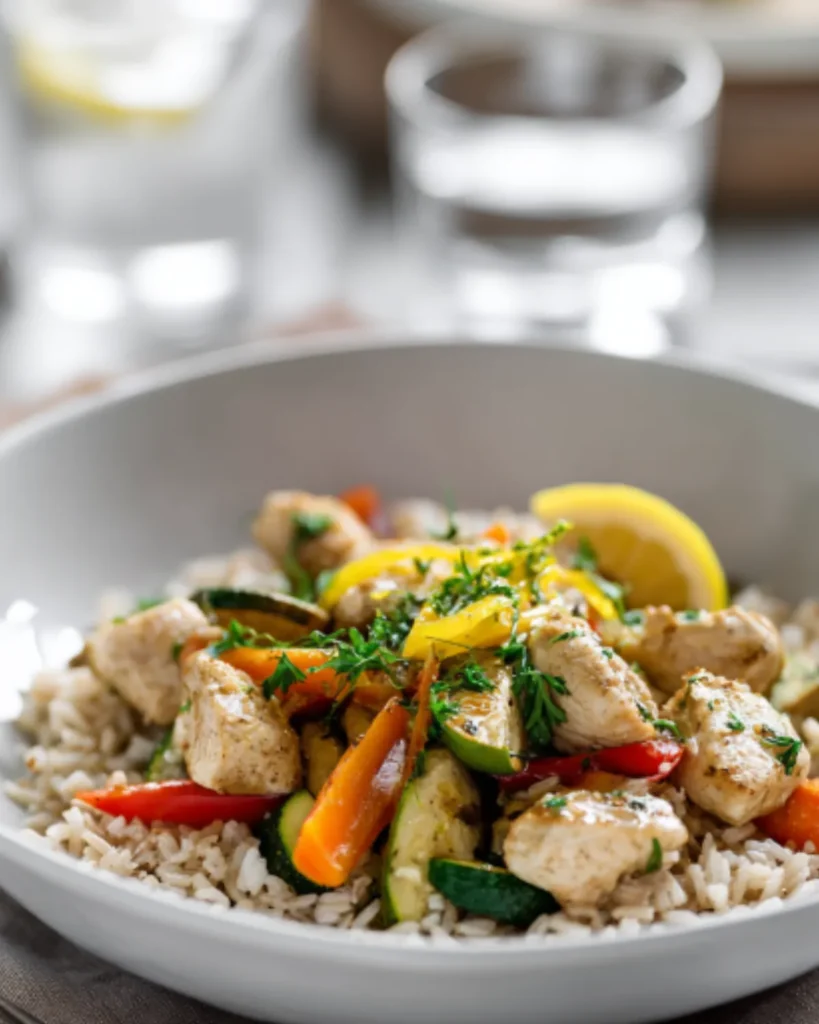
This healthy meats chicken and veggie skillet reminds me of the quick dinners I learned to love in my small, sunlit kitchen. I wanted something colorful, simple, and satisfying after a long day, without making a sink full of dishes. So, I started with lean chicken breast, added crisp vegetables, garlic, lemon, and herbs, then let one skillet do the work. The result tastes fresh, cozy, and easy enough for a weeknight. Serve it with rice, quinoa, potatoes, or salad, and you’ve got a balanced meal that feels homemade without feeling complicated.
Healthy Meats Guide: 9 Smart Choices for Better Meals
- Total Time: 30 minutes
- Yield: 4 servings 1x
- Diet: Gluten Free
Description
This healthy meats chicken and veggie skillet is a simple, balanced dinner made with lean chicken breast, colorful vegetables, olive oil, garlic, and bright lemon flavor. It cooks in one pan, works well for meal prep, and gives you a satisfying protein-rich meal without heavy sauces or complicated steps.
Ingredients
1 1/2 pounds boneless skinless chicken breast, cut into bite-size pieces
2 tablespoons olive oil, divided
1 medium zucchini, sliced into half-moons
1 red bell pepper, sliced
1 yellow bell pepper, sliced
1 small red onion, thinly sliced
2 cups broccoli florets
3 garlic cloves, minced
1 teaspoon smoked paprika
1 teaspoon Italian seasoning
1/2 teaspoon kosher salt, or to taste
1/4 teaspoon black pepper
1 tablespoon fresh lemon juice
1 teaspoon lemon zest
2 tablespoons chopped fresh parsley
Optional: cooked brown rice, quinoa, or roasted potatoes for serving
Instructions
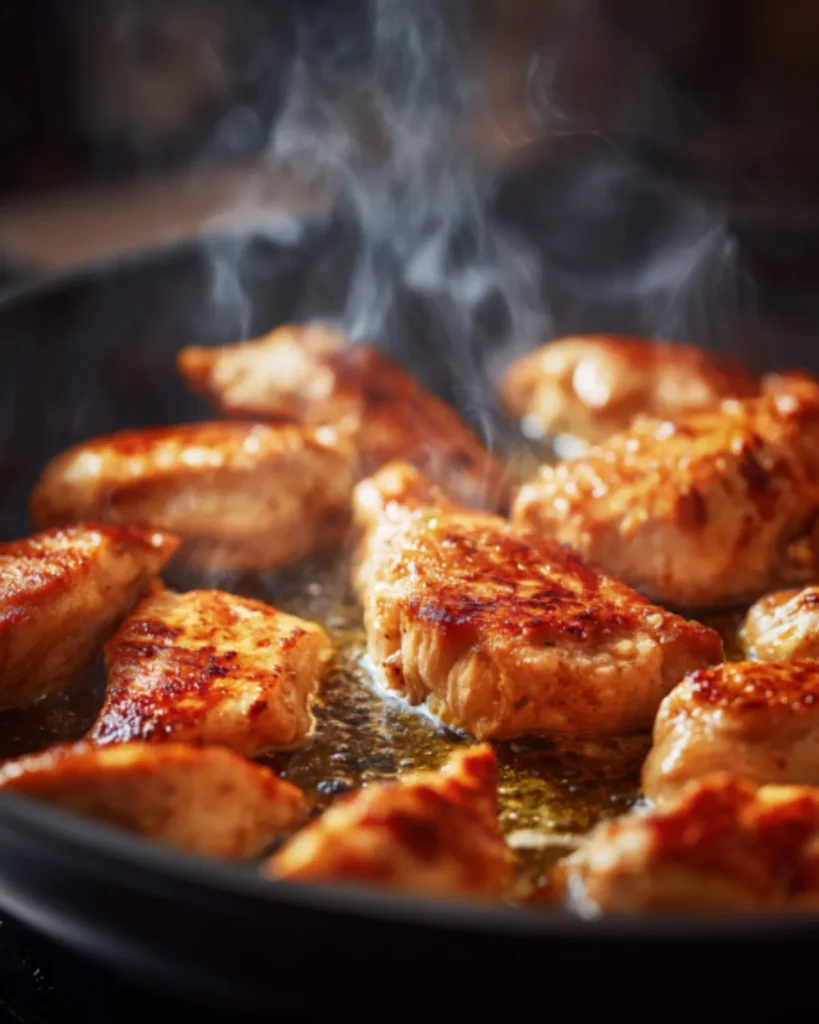
1. Pat the chicken pieces dry with paper towels, then season them with smoked paprika, Italian seasoning, salt, and black pepper.
2. Heat 1 tablespoon olive oil in a large skillet over medium-high heat.
3. Add the chicken in a single layer and cook for 5 to 7 minutes, stirring occasionally, until the pieces turn golden and reach 165°F internally.
4. Transfer the cooked chicken to a clean plate.
5. Add the remaining 1 tablespoon olive oil to the same skillet.
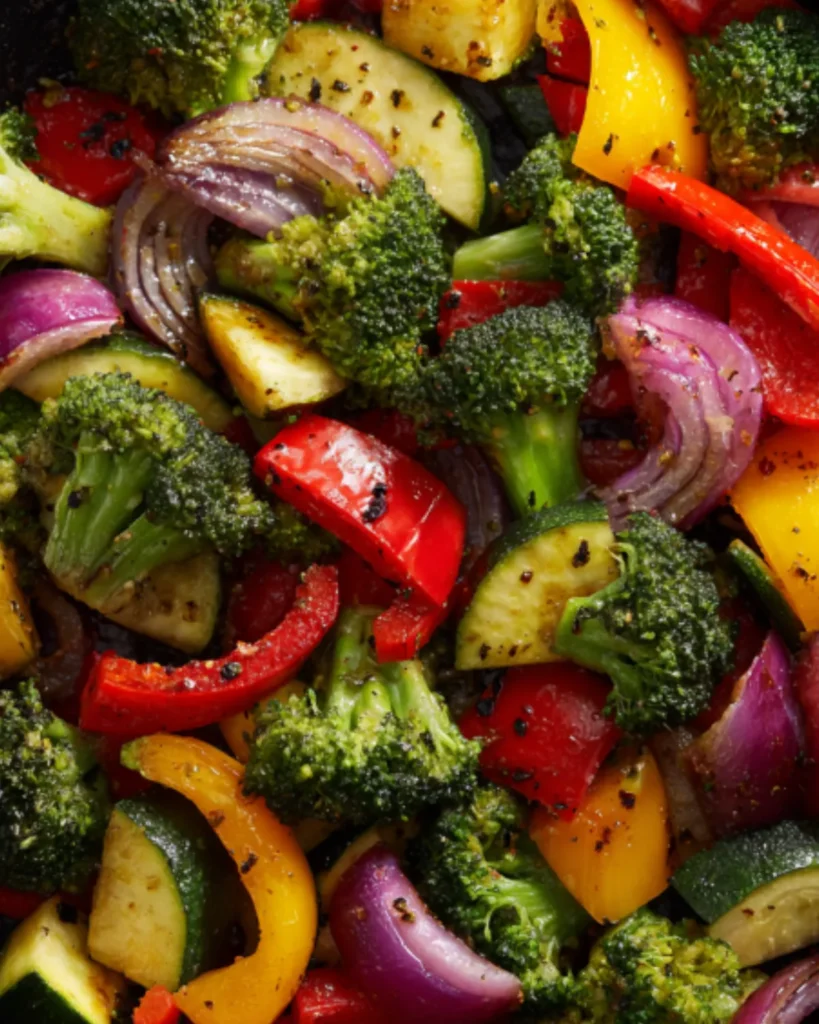
6. Add the broccoli, bell peppers, zucchini, and red onion, then cook for 5 to 6 minutes until the vegetables turn crisp-tender.
7. Stir in the minced garlic and cook for 30 seconds until fragrant.
8. Return the chicken to the skillet and toss everything together.
9. Add lemon juice and lemon zest, then stir well to brighten the flavor.
10. Sprinkle with fresh parsley and serve warm with brown rice, quinoa, roasted potatoes, or a side salad.
Notes
For the best texture, avoid overcrowding the skillet. Cook the chicken in batches if needed.
Use chicken thighs if you prefer a juicier option, but trim visible fat for a lighter meal.
Swap broccoli with green beans, asparagus, mushrooms, or spinach.
For meal prep, store leftovers in an airtight container in the refrigerator for up to 4 days.
Reheat gently in a skillet or microwave until warm.
This recipe uses lean chicken breast as one example of healthy meats, but the same method works with turkey breast, lean pork tenderloin, shrimp, or salmon pieces.
- Prep Time: 15 minutes
- Cook Time: 15 minutes
- Category: Dinner
- Method: Skillet
- Cuisine: American
Nutrition
- Serving Size: 1 1/2 cups
- Calories: 285
- Sugar: 5g
- Sodium: 410mg
- Fat: 10g
- Saturated Fat: 2g
- Unsaturated Fat: 8g
- Trans Fat: 0g
- Carbohydrates: 13g
- Fiber: 4g
- Protein: 36g
- Cholesterol: 110mg