Introduction
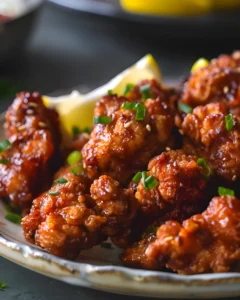
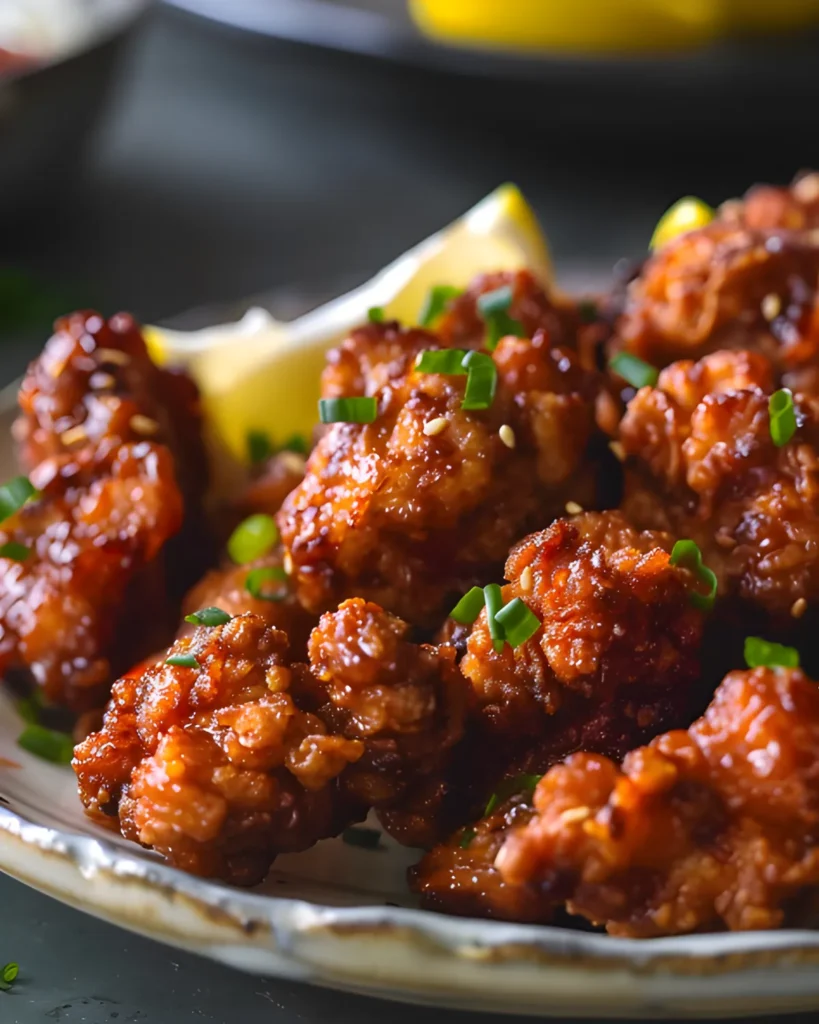
Japanese fried chicken is one of the most irresistible comfort foods you can make at home. The first time I prepared Japanese fried chicken in my kitchen, I remember the sound of the oil sizzling and the aroma of ginger and garlic filling the air. Unlike heavy Western-style fried chicken, this Japanese classic focuses on bold marinade flavor, juicy chicken thighs, and a light, ultra-crispy coating. In this complete guide, you’ll learn how to master authentic karaage with simple ingredients and perfect frying technique.
Authentic Japanese Fried Chicken and Its Flavor Foundation
What Makes Japanese Fried Chicken Different?
Japanese fried chicken, also known as karaage, stands apart because it relies on marinated chicken instead of thick batter. Rather than coating the meat in flour and buttermilk, this Japanese-style chicken absorbs soy sauce, garlic, and ginger before frying.
As a result, every bite delivers deep umami flavor inside a crisp shell. The coating stays light and crunchy because it uses starch instead of heavy flour dredging.
Why Chicken Thighs Are Essential
Authentic karaage always uses boneless chicken thighs. Because thigh meat contains more natural fat, it stays tender during frying. Meanwhile, breast meat can dry out quickly at high temperatures.
Additionally, the skin crisps beautifully, adding texture and flavor. When cut into 1-inch pieces, the chicken cooks evenly and develops golden edges that define great Japanese fried chicken.
Here’s a quick comparison:
| Cut | Result in Japanese Fried Chicken |
|---|---|
| Chicken Thighs | Juicy, flavorful, tender, crispy skin |
| Chicken Breast | Lean but can dry out quickly |
For best results, cut the thighs into 1-inch pieces. This size ensures even cooking and maximum surface area for that crispy starch coating.
The Marinade That Defines Karaage
Soy Sauce, Ginger, Garlic & Umami Balance
The bold flavor of Japanese fried chicken starts with its marinade. Unlike heavy batters, Japanese fried chicken depends on seasoning the meat itself. That’s why every ingredient in the marinade matters.
First, soy sauce builds the salty umami foundation. It penetrates the chicken and enhances the natural richness of chicken thighs. Then, sake adds depth while removing any unwanted odor from the meat. As a result, the flavor tastes clean and balanced rather than overpowering.
Mirin introduces subtle sweetness. Although you only need a small amount, it rounds out the savory notes beautifully. Meanwhile, freshly grated garlic adds bold intensity. At the same time, grated ginger provides warmth and brightness that keeps the Japanese fried chicken from tasting heavy.
In this version, we also use Shio Koji. This fermented seasoning tenderizes the chicken naturally. Because it contains enzymes, it gently breaks down proteins, which makes the chicken even juicier after frying. Therefore, your Japanese fried chicken stays moist inside while forming a crisp exterior.
For readers who enjoy bold Asian-inspired flavors, my Teriyaki Chicken recipe uses a similar sweet-savory balance. Likewise, Garlic Ginger Chicken explores another variation of this classic flavor combination.
To prepare the marinade, combine:
- 4 tablespoons Shio Koji
- 1 teaspoon grated ginger
- 1 teaspoon grated garlic
- 1 teaspoon soy sauce
Mix everything directly with the 1-inch chicken thigh pieces. Then, let the chicken marinate for at least 30 minutes. However, if you have time, marinate up to 24 hours for deeper flavor. The longer it rests, the more pronounced the taste of authentic Japanese fried chicken becomes.
The Role of Shio Koji in Authentic Karaage
Many traditional Japanese fried chicken recipes now include Shio Koji because it elevates texture and flavor at the same time. While soy sauce seasons the surface, Shio Koji works internally.
Shio Koji contains natural enzymes created during fermentation. These enzymes soften the meat fibers gently. Consequently, the chicken fries up tender without becoming mushy. That balance is essential for authentic Japanese fried chicken.
Additionally, Shio Koji enhances umami without making the dish overly salty. Since karaage focuses on clean yet bold flavors, this ingredient fits perfectly.
If you cannot find Shio Koji, you can still make Japanese fried chicken using soy sauce, sake, and mirin. However, the texture may not feel quite as silky and tender. That’s why many modern Japanese home cooks rely on it.
Before frying, coat the marinated chicken with ½ cup potato starch or cornstarch. Toss the pieces directly in the bowl or bag so the starch absorbs some of the marinade. This step ensures the coating clings well and forms those signature crispy ridges.
How to Fry Karaage for Perfect Crispiness
Potato Starch vs Cornstarch
The coating plays a major role in Japanese fried chicken. Unlike heavy Western-style batters, karaage uses starch to create a light, crisp shell. That’s why choosing between potato starch and cornstarch matters.
Traditionally, authentic Japanese fried chicken uses potato starch. It produces a delicate, slightly airy crunch with beautiful golden ridges. Moreover, potato starch absorbs surface moisture quickly, which helps create those signature crispy edges.
Cornstarch works well too. It creates a slightly firmer crunch and remains widely available in most US kitchens. Therefore, if you cannot find potato starch, cornstarch delivers excellent results. However, the texture will feel just a bit less airy.
Here’s a quick comparison:
| Coating Type | Texture Result |
|---|---|
| Potato Starch | Light, crisp, airy, traditional karaage finish |
| Cornstarch | Firm, crunchy, slightly denser crust |
Before frying, toss the marinated chicken pieces directly in the starch. Make sure each piece gets fully coated. At the same time, gently press the starch onto the surface. This step creates small craggy bits that fry into extra crunch.
If you love crispy textures, you may also enjoy my Crispy Chicken Wings recipe, which uses similar high-heat frying techniques to lock in juiciness.
Oil Temperature Is Critical
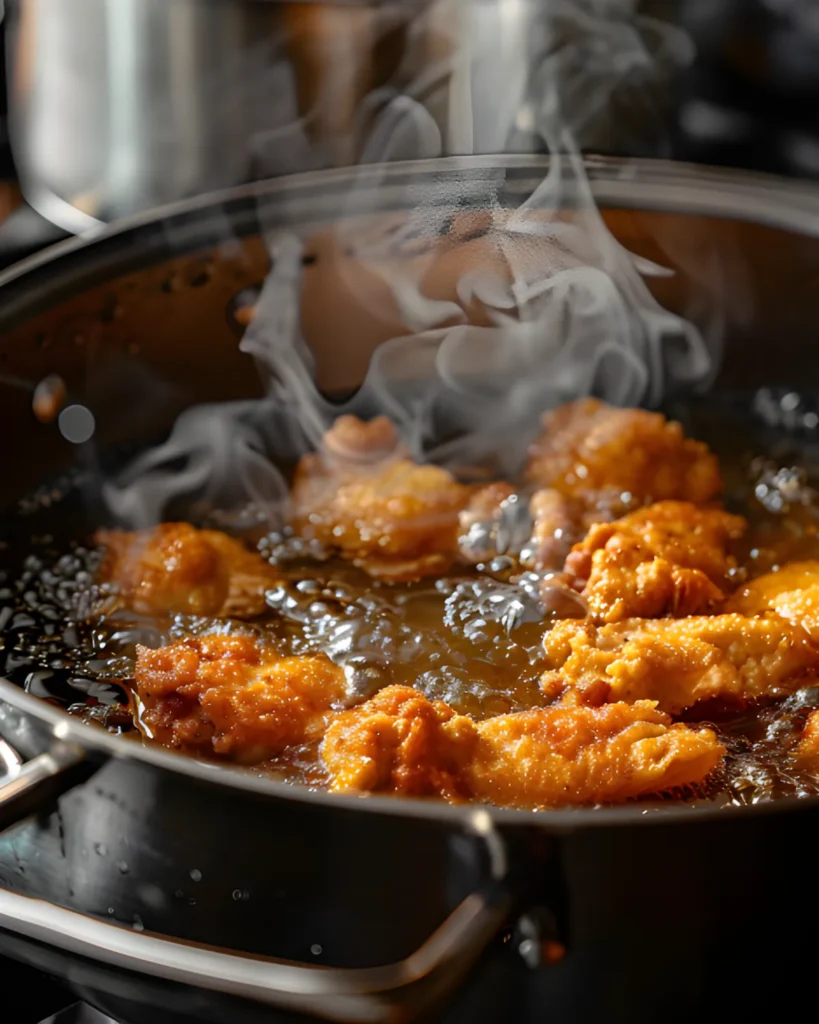
Heat vegetable or canola oil to 320–335°F (160–170°C). This range ensures the inside cooks thoroughly while the exterior turns golden.
Always fry in small batches. Overcrowding lowers the oil temperature and prevents proper crisping. If you want extra crunch, try the double-fry method. Fry once lightly, rest briefly, then fry again until deeply golden.
This technique guarantees crispy Japanese fried chicken that stays crunchy longer.
Gently drop each piece into the oil. Then fry until golden brown. Because the pieces are small, they cook evenly and quickly. Typically, this takes about 4–6 minutes per batch.
For even better results, you can use a double-fry technique. First, fry the chicken lightly for about 3–4 minutes. Then remove it and let it rest for a few minutes. Afterward, fry it again briefly at slightly higher heat until deeply golden and extra crispy. This method ensures ultra-crispy Japanese fried chicken that stays crunchy longer.
After frying, transfer the chicken onto a plate lined with paper towels. This step removes excess oil and preserves the crisp texture.
Serving and Storing This Japanese Classic
Lemon, Japanese Mayo & Perfect Pairings
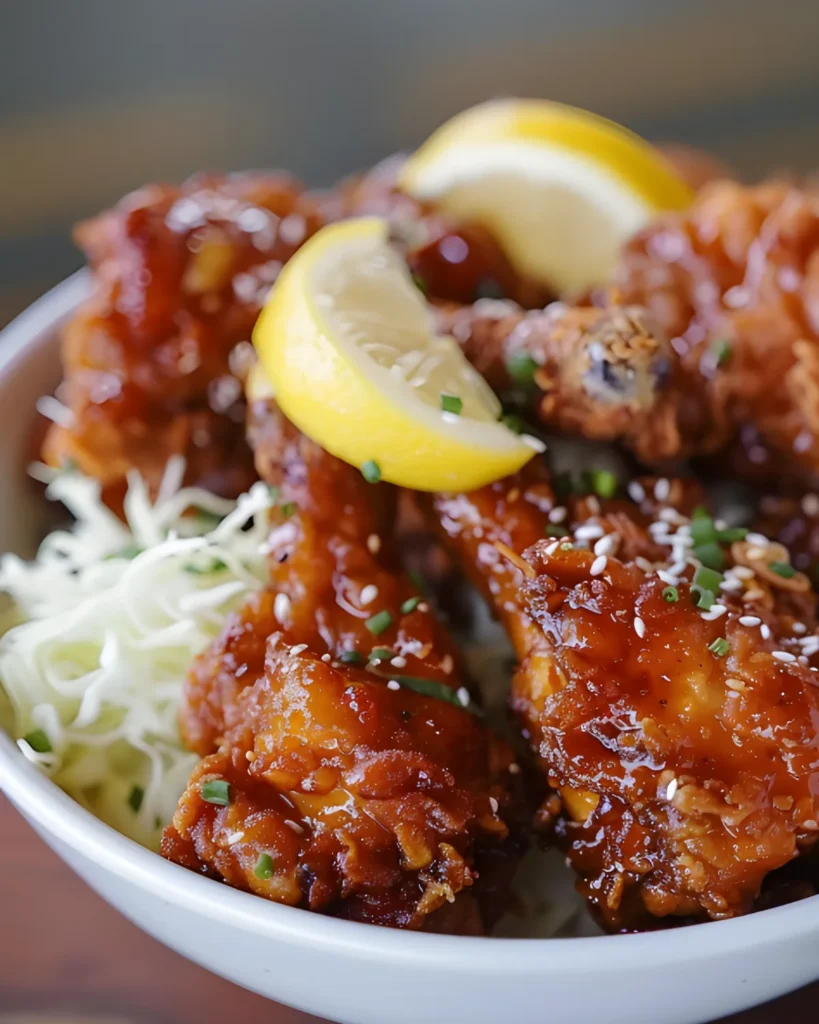
Serve fried chicken immediately with fresh lemon wedges. The citrus brightens the savory richness instantly.
Japanese mayo adds creaminess and mild sweetness that complements the crispy coating beautifully. Together, they create perfect balance.
Next, add Japanese mayo on the side. Unlike regular mayonnaise, Japanese mayo tastes slightly sweeter and tangier. Its creamy texture pairs beautifully with the crispy coating of Japanese fried chicken. Many Japanese households serve karaage this way because it balances crunch and creaminess perfectly.
You can also pair Japanese fried chicken with:
- Steamed white rice
- Shredded cabbage
- Pickled vegetables
- Simple cucumber salad
For a complete comfort-style meal, serve it alongside my Steamed Jasmine Rice guide for perfectly fluffy rice every time. If you want a fresh side, my Asian Cucumber Salad complements the bold garlic and ginger flavors beautifully.
Because fried chicken comes in bite-sized pieces, it works well for lunch boxes, party platters, and casual dinners alike.
Storage, Reheating, and Make-Ahead Tips
Allow leftovers to cool completely before storing. Keep them in an airtight container for up to three days.
Reheat in an oven or air fryer at 350°F for 8–10 minutes. Avoid microwaving if possible, since steam softens the crust.
If you want to prepare Japanese fried chicken ahead of time, marinate the chicken up to 24 hours in advance. However, coat it with starch only right before frying. This step prevents the coating from becoming soggy.
Quick Frying Tips:
- Fry in small batches
- Maintain 320–335°F oil temperature
- Do not overcrowd the pot
- Cut the thickest piece to check doneness if unsure
Following these steps ensures consistently crispy fried chicken every time.
FAQ Section
Can I use chicken breast instead of thighs?
Yes, but thighs produce juicier results and better texture.
Why is my Japanese fried chicken not crispy?
Your oil temperature may be too low, or you overcrowded the pot.
Can I air fry karaage?
Yes, though deep frying creates the most authentic texture.
How long should I marinate the chicken?
Minimum 30 minutes. Overnight marination enhances flavor.
Conclusion
Japanese fried chicken combines bold marinade flavor, juicy chicken thighs, and a light crispy coating into one unforgettable dish. By using proper starch, controlling oil temperature, and allowing time for marination, you can create authentic karaage at home with confidence. Once you master this method, this Japanese classic will become one of your favorite comfort meals.
Print
Japanese Fried Chicken – Ultimate 5-Step Crispy Secret
- Total Time: 25 minutes
- Yield: 4 servings 1x
- Diet: Vegetarian
Description
Japanese fried chicken (karaage) made with juicy chicken thighs marinated in soy sauce, Shio Koji, garlic and ginger, then coated in potato starch and fried until crispy.
Ingredients
1 lb (450g) boneless chicken thigh with skin cut into 1-inch pieces
4 tbsp Shio Koji
1 tsp grated ginger
1 tsp grated garlic
1 tsp soy sauce
1/2 cup potato starch or cornstarch
Vegetable or canola oil for deep frying
Lemon wedges for serving
Instructions
1. Combine chicken with Shio Koji, ginger, garlic, and soy sauce. Marinate 30 minutes to 24 hours.
2. Heat oil to 320-335°F (160-170°C).
3. Add potato starch to chicken and coat evenly.
4. Fry in small batches until golden brown and cooked through.
5. Transfer to paper towels and serve with lemon wedges.
Notes
Fry in small batches to maintain oil temperature.
If unsure, cut the thickest piece to check doneness.
For extra crispiness, double fry the chicken.
- Prep Time: 10 minutes
- Cook Time: 15 minutes
- Category: Main Course
- Method: Deep Frying
- Cuisine: Japanese
Nutrition
- Serving Size: 1 serving
- Calories: 420
- Sugar: 2g
- Sodium: 620mg
- Fat: 28g
- Saturated Fat: 6g
- Unsaturated Fat: 18g
- Trans Fat: 0g
- Carbohydrates: 18g
- Fiber: 1g
- Protein: 26g
- Cholesterol: 120mg