
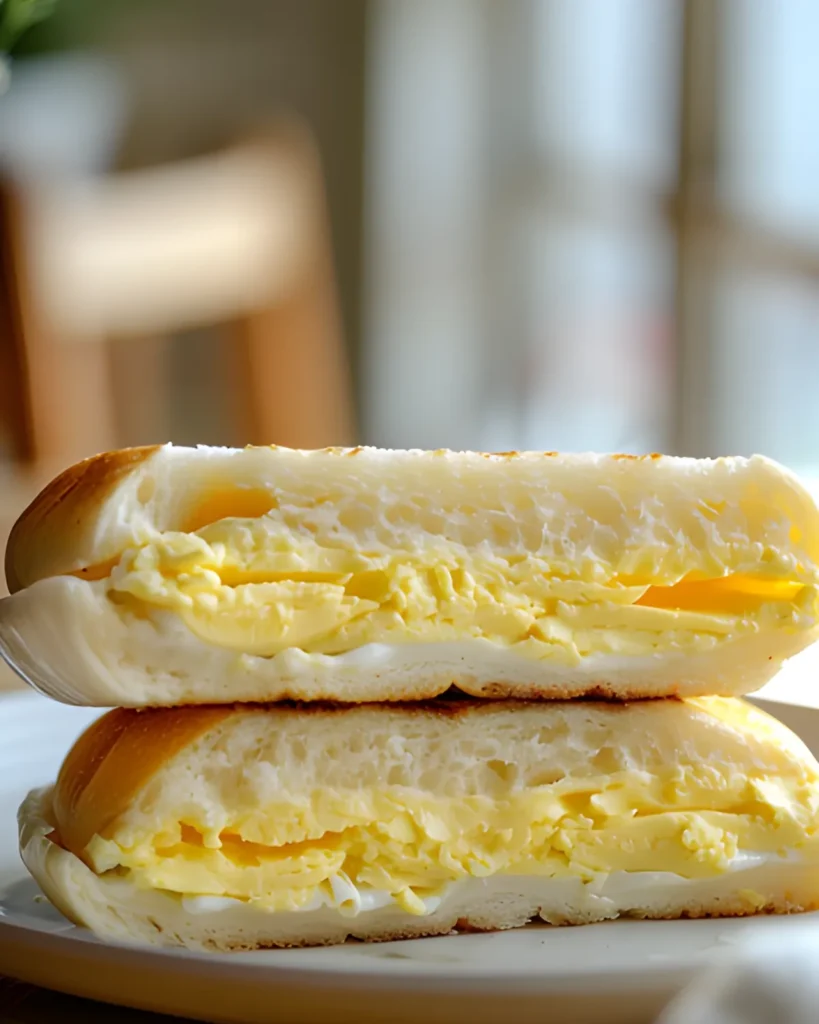
The Story Behind the Japanese Egg Sandwich
A Cozy Memory of My First Japanese Egg Sandwich
The first time I tasted a Japanese Egg Sandwich, I stood inside a small convenience store in Kyoto. I remember unwrapping the neat plastic packaging and noticing how perfectly white and pillowy the bread looked. That Japanese Egg Sandwich felt almost too pretty to eat. But once I took a bite, I understood the obsession.
The bread felt soft like a cloud. The filling tasted creamy, slightly sweet, and perfectly seasoned. Unlike a typical egg sandwich, the Japanese Egg Sandwich focused on texture just as much as flavor. The eggs stayed tender, not dry. The filling stayed rich, not heavy. Every bite felt balanced.
Back home, I couldn’t stop thinking about that sandwich. So I started recreating it in my own kitchen. I tested different boiling times. I experimented with Japanese mayonnaise. I adjusted the seasoning until the flavor felt just right. Eventually, I realized that the beauty of a Japanese Egg Sandwich lies in simplicity. When you treat each ingredient with care, magic happens.
If you enjoy comforting classics like this, you might also love exploring other cozy lunch ideas from my collection, such as easy sandwich recipes that focus on texture and balance. Simple food always tells the best stories.
Why Tamago Sando Feels So Special
Tamago sando stands out because it transforms everyday eggs into something elegant. First, Japanese milk bread creates a soft, slightly sweet base. Then Japanese mayonnaise adds a rich umami depth that regular mayo simply doesn’t match. Together, they create a silky filling that feels indulgent yet light.
In Japan, people grab a Japanese Egg Sandwich for breakfast, lunch, or a quick snack. You’ll find it in train stations, bakeries, and family kitchens. It represents comfort and convenience at the same time.
If you enjoy discovering traditional Japanese meal inspiration, you may also enjoy learning about other Asian dishes that highlight minimal ingredients and maximum flavor. Japanese cooking often celebrates restraint. Instead of overwhelming flavors, it builds harmony.
That’s exactly why the Japanese Egg Sandwich continues to win hearts around the world. It proves that simple egg recipes can still feel refined and unforgettable.
If you enjoy comforting classics like this, you might also love exploring other cozy lunch ideas like this Classic Egg Salad Recipe or browsing my collection of Easy Lunch Recipes that focus on simple, balanced flavors.
Authentic Japanese Egg Sandwich Ingredients & Preparation
Key Ingredients
To make a truly authentic Japanese Egg , you need simple ingredients. However, each one plays an important role. Because this recipe highlights texture and balance, quality matters.
Here’s what you’ll need for the egg salad and sandwich:
- 6 large organic eggs
- 1/4 teaspoon sugar
- 1/4 teaspoon salt
- 1/4 teaspoon ground black pepper
- 1 to 2 teaspoons milk (optional)
- 4 tablespoons Japanese mayonnaise
- 4 slices Japanese milk bread
- 2 tablespoons unsalted butter, softened
- Chives for garnish (optional)
Japanese mayonnaise makes a big difference. It tastes richer and slightly tangy. That flavor defines a classic Japanese Egg Sandwich. If you enjoy learning about ingredient differences in egg recipes, you’ll notice how Japanese cooking focuses on subtle depth instead of bold spice.
Egg texture also changes the final result. Use this quick comparison to decide:
| Egg Style | Result in Japanese Egg Sandwich |
|---|---|
| 7-minute (Medium Soft-Boiled) | Creamier, richer filling with slight softness |
| 10-minute (Hard-Boiled) | Firmer texture, needs milk for extra creaminess |
Both work well. However, medium-soft eggs create a more luxurious Japanese Egg Sandwich.
Step-by-Step Guide to Perfect Tamago Sando
First, prepare an ice bath. Then bring a medium pot of water to a boil. Carefully lower the eggs into the water. Boil for 7 minutes for medium-soft eggs or 10 minutes for hard-boiled eggs. After boiling, turn off the heat and let them sit for 1 minute. Immediately transfer them into the ice bath.
Next, peel the eggs while they remain slightly warm. Warm eggs peel more easily. Then place them into a bowl and mash gently. Do not over-mash. The texture should stay smaller than a pea but not completely smooth.
After that, add sugar, salt, and pepper. Continue mashing lightly. Then mix in Japanese mayonnaise. If you used hard-boiled eggs, add a teaspoon of milk for extra silkiness. Taste and adjust seasoning.
To assemble the Japanese Egg Sandwich, spread softened butter evenly onto each slice of Japanese milk bread. This layer prevents sogginess and adds richness. Then spread the egg salad evenly on one slice. Place the second slice on top, buttered side down. Press gently.
Finally, trim the crusts for the traditional look. Slice the Japanese Egg Sandwich cleanly in half. Garnish with chives if desired. Serve immediately for best texture.
If you enjoy experimenting with egg-based dishes, you may also appreciate this fluffy Japanese Soufflé Pancake Recipe which highlights similar texture techniques used in Japanese cooking. For more ideas, browse my full collection of Egg Recipes.

Japanese Egg Sandwich Variations, Serving Ideas & Meal Pairings
Creative Japanese Egg Sandwich Variations
Once you master the classic Japanese Egg Sandwich, you can explore small variations while keeping the traditional texture intact. Because Japanese cooking values balance, even tiny adjustments create noticeable differences.
First, you can switch between Japanese mayonnaise and regular mayonnaise. However, if you use regular mayo, add a tiny splash of rice vinegar and a pinch of sugar to mimic the signature umami depth. That small tweak keeps your Japanese Egg Sandwich closer to authentic flavor.
Next, try adding a small amount of Dijon mustard. This variation adds a subtle tang without overpowering the creamy filling. If you enjoy experimenting with egg recipes, this version feels slightly more Western while still honoring the original.
For a lighter version, reduce the mayonnaise by one tablespoon and add a teaspoon of milk. This keeps the filling smooth but slightly less rich. On the other hand, if you prefer extra creaminess, mash one yolk completely smooth before mixing the rest of the eggs. That technique creates a velvety texture many food lovers appreciate.
You can also add a gentle spicy twist. A tiny pinch of white pepper or a few drops of chili oil transforms the Japanese Egg Sandwich into a more modern take. However, keep it minimal. Strong spice can overpower the delicate balance that defines traditional Japanese meal inspiration.
Because this sandwich fits beautifully into easy Japanese recipes, it pairs well with other light Asian dishes. The key remains simplicity and texture harmony.
How to Serve a Japanese Egg Sandwich
Presentation matters just as much as flavor. In Japan, bakeries remove the crust carefully and slice the Japanese Egg Sandwich into clean halves or neat rectangles. That crisp edge highlights the fluffy milk bread and creamy center.
You can serve this sandwich in several ways. First, pack it into a bento box for a balanced lunch. Add fresh fruit, cucumber slices, or a small salad for contrast. The soft texture of the Japanese Egg Sandwich pairs beautifully with crisp vegetables.
Next, serve it as a light afternoon meal with green tea. Because it feels filling but not heavy, it works perfectly for relaxed gatherings. If you enjoy hosting brunch, place the sliced sandwiches neatly on a platter. Their clean white appearance always looks elegant.
For picnics, wrap each Japanese Egg Sandwich tightly in plastic wrap. Then slice just before serving. This keeps the bread moist and the filling intact.
If you love sharing meals through a food app or social media, focus on symmetry. Cut evenly. Wipe edges clean. Garnish lightly with chives. Simple styling makes this humble sandwich look refined.
Storage, Meal Prep & Common Mistakes
How to Store Tamago Sando Properly
Because this sandwich focuses on freshness and texture, proper storage matters. Although it tastes best immediately after assembling, you can store it carefully without sacrificing too much quality.
First, wrap each sandwich tightly in plastic wrap. Press the wrap gently against the bread surface. This prevents air exposure and keeps the milk bread soft. Then place the wrapped sandwiches in an airtight container before refrigerating.
Store in the fridge for up to 2 days. However, enjoy it within 24 hours for the best texture. After that, the bread may lose its pillowy softness.
If you plan to meal prep, store the egg salad separately. Keep it in a sealed container and assemble just before serving. This method prevents soggy bread and preserves that clean bakery-style finish.
Always keep it chilled below 40°F. Because this recipe contains eggs and mayonnaise, proper refrigeration ensures safety. If it sits at room temperature for more than two hours, discard it.
Common Mistakes to Avoid When Making Tamago Sando
Even though this Japanese-style egg sandwich looks simple, small mistakes can change the result dramatically. Fortunately, you can avoid them easily.
First, do not overcook the eggs. Overcooked yolks turn dry and crumbly. Instead, follow the 7-minute or 10-minute boiling guide carefully.
Second, avoid over-mashing. The filling should have tiny soft pieces, not a paste. Texture creates character.
Third, never skip the butter layer. Butter protects the bread from moisture and adds richness. Without it, the sandwich can become soggy.
Fourth, do not overfill. Too much egg salad makes slicing messy and uneven. Spread evenly and press gently.
Finally, taste before assembling. Proper seasoning makes a noticeable difference. A small pinch of salt or extra mayonnaise can elevate the entire sandwich.

Frequently Asked Questions
1. What makes a Japanese Egg Sandwich different from a regular egg sandwich?
A Japanese Egg Sandwich uses soft milk bread and Japanese mayonnaise, which creates a richer and slightly sweeter flavor. It also focuses heavily on smooth yet textured egg consistency and crustless presentation.
2. Can I use regular mayonnaise instead of Japanese mayonnaise?
Yes, you can. However, add a tiny splash of rice vinegar and a pinch of sugar to mimic the signature tangy depth found in Japanese mayonnaise.
3. How long does a Japanese Egg Sandwich last in the fridge?
You can store it safely for up to 2 days in the refrigerator. For best flavor and texture, eat it within 24 hours.
4. Can I make Japanese Egg Sandwich ahead of time?
Yes. For best results, prepare the egg salad in advance and assemble the sandwich shortly before serving. This keeps the bread soft and fresh.
Conclusion
The Japanese Egg Sandwich proves that simple ingredients can create something truly special. With soft milk bread, creamy seasoned eggs, and careful preparation, this sandwich delivers comfort in every bite. Whether you’re exploring easy Japanese recipes, expanding your collection of egg recipes, or searching for light recipes that feel satisfying without heaviness, this tamago sando deserves a spot in your kitchen.
Hi, I’m Ethan—the cook, creator, and voice behind this cozy corner of the web. My love for cooking began in a small sunlit kitchen where I watched everyday ingredients turn into unforgettable meals. That spark still guides every recipe I share. I hope this Japanese Egg Sandwich brings warmth to your table and inspires you to keep exploring the simple joy of Japanese cooking.
PrintJapanese Egg Sandwich – Ultimate 7-Minute Authentic Secret
- Total Time: 20 minutes
- Yield: 2 sandwiches 1x
- Diet: Vegetarian
Description
Japanese Egg Sandwich is a creamy and authentic tamago sando made with soft milk bread and perfectly seasoned egg salad.
Ingredients
6 large organic eggs
1/4 teaspoon sugar
1/4 teaspoon salt
1/4 teaspoon ground black pepper
1 to 2 teaspoons milk (optional)
4 tablespoons Japanese mayonnaise
4 slices Japanese milk bread
2 tablespoons unsalted butter, softened
Chives for garnish (optional)
Instructions
1. Prepare an ice bath in a large bowl.
2. Bring a medium pot of water to a boil and carefully lower the eggs.
3. Boil for 7 minutes for medium-soft eggs or 10 minutes for hard-boiled eggs.
4. Transfer eggs to ice bath for 2 minutes, then peel while slightly warm.
5. Mash eggs gently in a bowl.
6. Add sugar, salt, and pepper, then mix.
7. Add mayonnaise and milk if needed, then combine until creamy.
8. Spread butter evenly onto bread slices.
9. Spread egg salad onto one slice and top with second slice.
10. Remove crusts, slice in half, and serve immediately.
Notes
Use medium-soft eggs for creamier texture.
Store wrapped in fridge up to 2 days.
Assemble just before serving for best freshness.
- Prep Time: 10 minutes
- Cook Time: 10 minutes
- Category: Lunch
- Method: Boiling and Assembling
- Cuisine: Japanese
Nutrition
- Serving Size: 1 sandwich
- Calories: 320
- Sugar: 3g
- Sodium: 420mg
- Fat: 18g
- Saturated Fat: 7g
- Unsaturated Fat: 9g
- Trans Fat: 0g
- Carbohydrates: 28g
- Fiber: 1g
- Protein: 13g
- Cholesterol: 370mg