Italian Meats: A Complete Helpful Guide to Classic Types and Uses
Italian meats bring deep flavor, tradition, and comfort to the table. From silky prosciutto to spicy soppressata, each one adds something special to sandwiches, pasta, antipasto boards, soups, and simple weeknight meals. If you’ve ever stood at the deli counter wondering which cured cuts to choose, this guide will help you understand the most common types, how they taste, and where they work best.
What Are Italian Meats?
Italian meats usually include cured, cooked, smoked, or fresh meats used across Italian cooking. Many come from pork, though beef and poultry also appear in Italian-style dishes. Some, like prosciutto and pancetta, bring salty richness. Others, like mortadella and capicola, add tenderness, spice, or a smooth deli-style bite.
For a deeper general guide, you can compare this topic with my deli meats guide, especially when choosing meats for sandwiches or party trays.
Popular Italian Meats and How to Use Them
Prosciutto
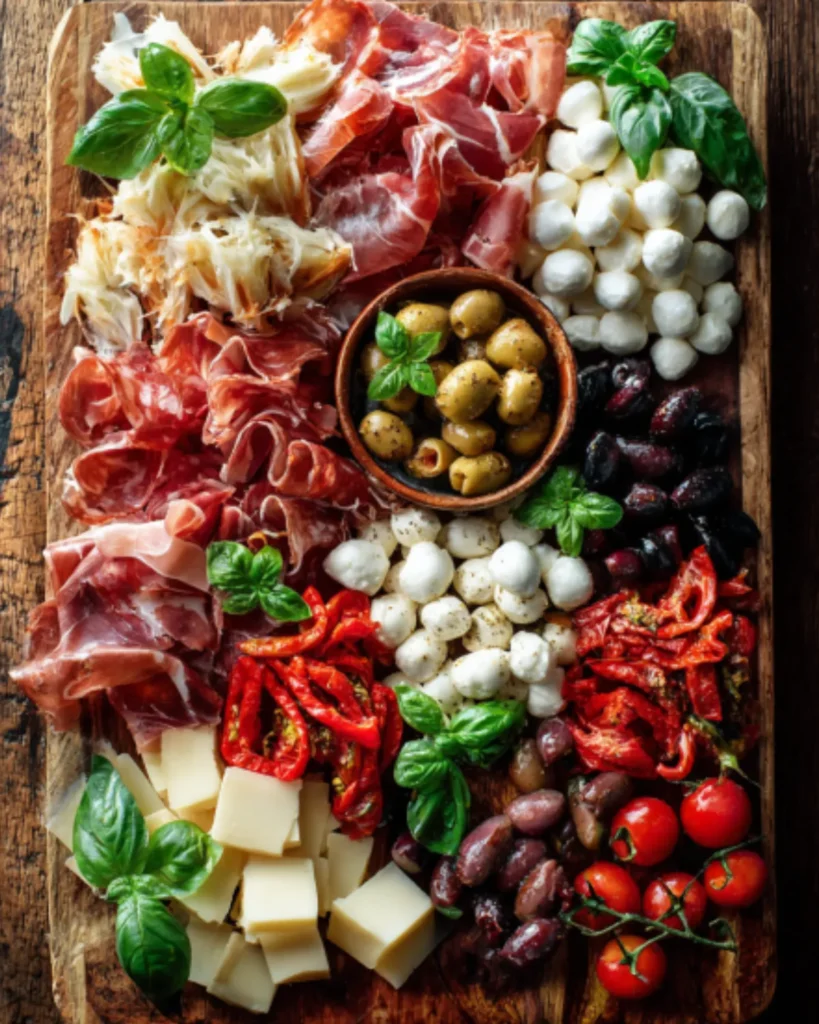
Prosciutto is thin, delicate, and salty-sweet. Cooks often serve it uncooked on antipasto boards, wrapped around melon, layered into sandwiches, or placed over pizza after baking. It also pairs beautifully with creamy cheeses and fresh basil.
Try it in an appetizer like <a href=”https://www.flavorsofrecipes.com/prosciutto-wrapped-asparagus-recipe/”>prosciutto wrapped asparagus</a> for a simple party-friendly dish.
Salami
Salami is cured sausage with a firm texture and bold flavor. Some versions taste mild and garlicky, while others bring heat from pepper or chili. Use salami in sandwiches, chopped salads, pizza, pasta salads, or snack boards.
Mortadella
Mortadella has a soft texture and mild, savory flavor. It often includes pistachios or peppercorns. Since it tastes smooth and rich, it works well in pressed sandwiches, sliders, and Italian picnic-style meals like this pressed Italian picnic sandwich loaf.
Capicola
Capicola, also called coppa, comes from pork shoulder or neck. It tastes tender, rich, and sometimes spicy. Add it to Italian subs, panini, antipasto platters, or pizza.
Pancetta
Pancetta is cured pork belly. Unlike bacon, it usually does not have a smoky flavor. Dice it and cook it into pasta sauces, soups, risotto, vegetables, or egg dishes. It adds deep savory flavor fast.
Guanciale
Guanciale comes from pork cheek or jowl. It has a rich, silky fat and intense flavor. Traditional pasta dishes like carbonara and amatriciana often use guanciale because it creates a glossy, flavorful sauce.
Soppressata
Soppressata is a rustic Italian salami with a bold, meaty bite. Some versions taste spicy, while others stay mild. Use it on boards, sandwiches, pizzas, or chopped into pasta.
Italian Sausage
Italian sausage usually comes fresh rather than cured. It often contains fennel, garlic, and herbs. Sweet Italian sausage tastes mild, while hot Italian sausage includes chili flakes. It works well in pasta, soups, casseroles, pizza, and skillet dinners. For a cozy idea, pair this section with white bean and sausage stew.
Quick Comparison Table
| Type | Flavor | Best Uses |
|---|---|---|
| Prosciutto | Salty, delicate, slightly sweet | Antipasto, pizza, appetizers |
| Salami | Bold, cured, savory | Sandwiches, boards, pizza |
| Mortadella | Mild, smooth, rich | Panini, subs, picnic sandwiches |
| Pancetta | Savory, salty, rich | Pasta, soups, vegetables |
| Italian Sausage | Herby, garlicky, fennel-forward | Soup, pasta, pizza, stews |
How to Build Meals with Italian Meats
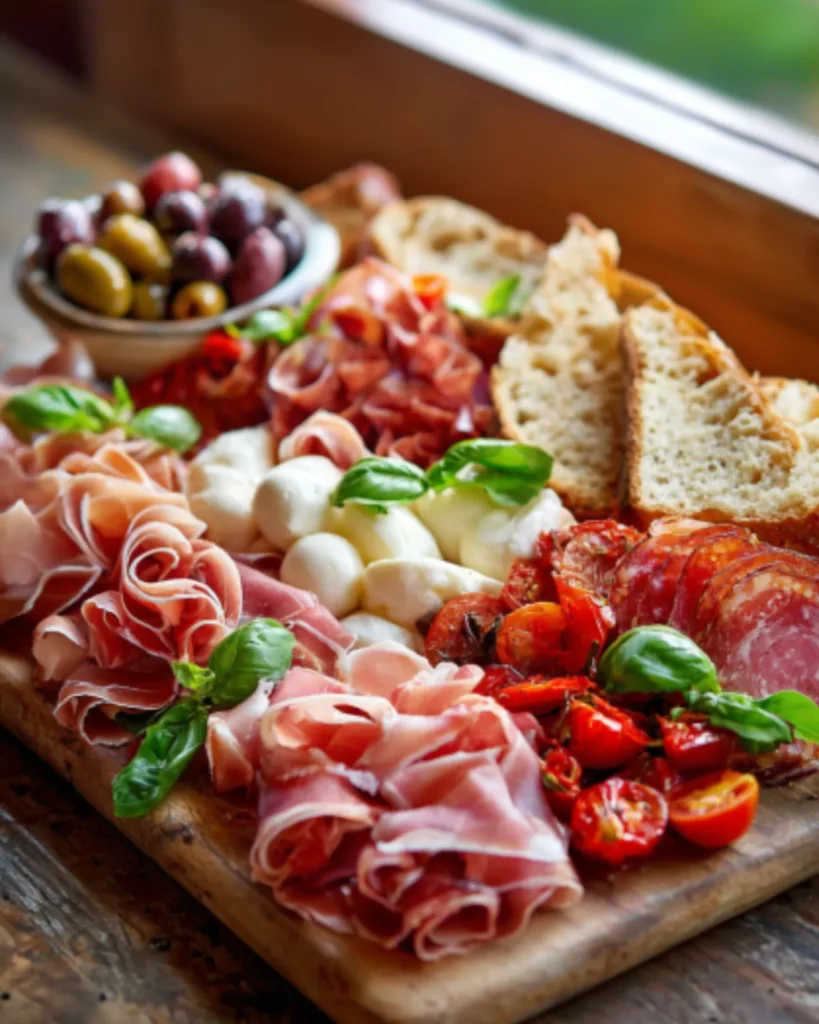
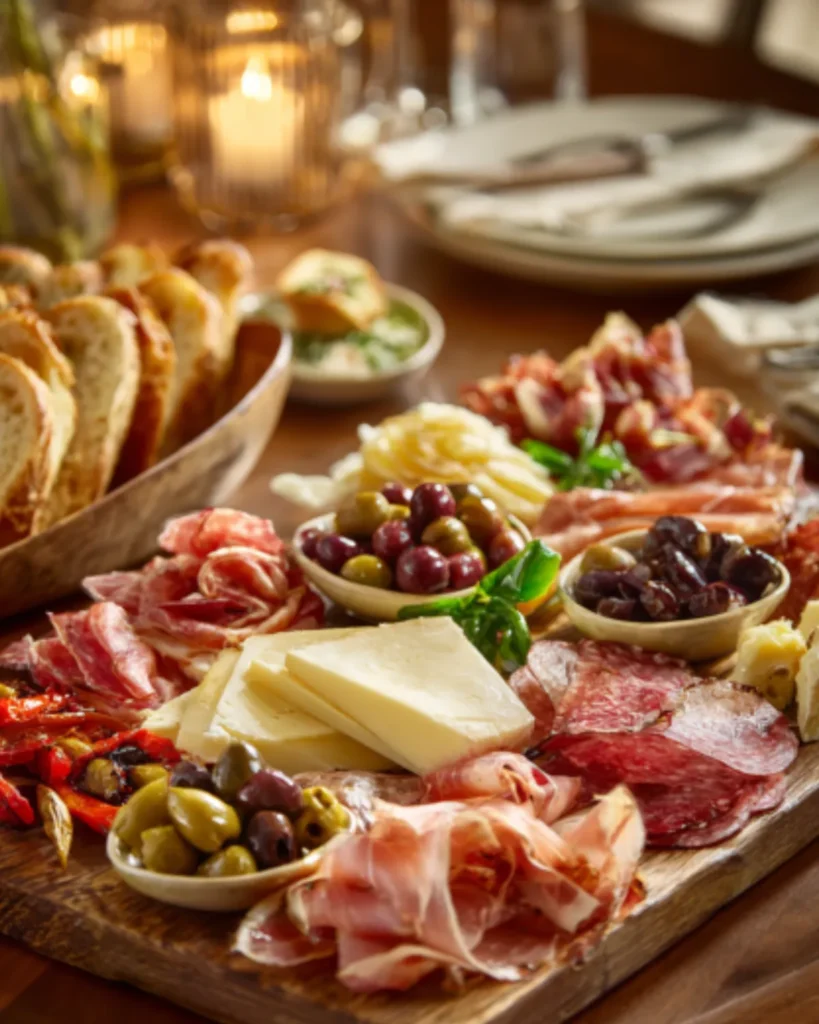
For a simple antipasto board, combine two cured varieties, one soft cheese, one firm cheese, olives, roasted peppers, bread, and something fresh like grapes or cherry tomatoes. For sandwiches, layer bold deli cuts with crisp lettuce, provolone, tomatoes, and a tangy dressing. For pasta, cook pancetta, guanciale, or sausage first so the rendered fat seasons the whole dish.
These classic meats also shine in comfort food. Add sausage to Zuppa Toscana, layer salami into pizza-inspired bakes, or serve prosciutto with focaccia like this roasted garlic rosemary focaccia.
Buying and Storage Tips
Choose thin-sliced meats for boards and sandwiches. Choose diced pancetta or whole pieces when cooking. Also, check salt levels because cured varieties can taste intense. Store opened deli meats tightly wrapped in the refrigerator and use them within a few days for best flavor. Keep cured salami wrapped according to the package directions.
FAQ
What are the most popular Italian meats?
The most popular Italian meats include prosciutto, salami, mortadella, capicola, pancetta, guanciale, soppressata, and Italian sausage.
What Italian meats go on a sandwich?
Salami, mortadella, capicola, prosciutto, and soppressata work best in Italian sandwiches. Add provolone, lettuce, tomato, onion, and vinaigrette for balance.
What Italian meat is best for pasta?
Pancetta, guanciale, and Italian sausage work best in pasta because they release flavorful fat and season sauces naturally.
Are Italian meats cooked or cured?
Some are cured, like prosciutto and salami. Others, like Italian sausage, usually need cooking before serving.
Conclusion
Italian meats offer far more than sandwich fillings. They bring salt, spice, richness, and tradition to everyday cooking. Start with prosciutto, salami, mortadella, pancetta, and Italian sausage, then build from there. Once you understand their flavors, you can use these savory meats with confidence in boards, soups, pasta, pizza, and cozy family meals.
Print
Italian Meats Guide: 8 Helpful Types You’ll Love
- Total Time: 20 minutes
- Yield: 8 servings 1x
Description
This Italian meats antipasto board is a simple, flavorful appetizer built with prosciutto, salami, mortadella, capicola, cheeses, olives, vegetables, and crusty bread. It works beautifully for holidays, family gatherings, game days, and easy entertaining. The recipe needs no cooking, comes together quickly, and gives guests a balanced mix of salty, creamy, crisp, tangy, and savory bites.
Ingredients
4 ounces thin-sliced prosciutto
4 ounces sliced Genoa salami
4 ounces sliced mortadella
4 ounces sliced capicola
6 ounces provolone cheese, sliced or cubed
6 ounces fresh mozzarella pearls or sliced mozzarella
1 cup marinated olives
1 cup roasted red peppers, sliced
1 cup cherry tomatoes
1/2 cup marinated artichoke hearts
1/2 cup pepperoncini
1 small bunch fresh basil
1 baguette, sliced
2 tablespoons extra virgin olive oil
1 tablespoon balsamic glaze
1/2 teaspoon cracked black pepper
Instructions
1. Choose a large wooden board, platter, or tray and place small bowls on it for olives, pepperoncini, artichokes, and roasted peppers.
2. Fold the prosciutto into loose ribbons and arrange it in small piles across the board.
3. Fold or fan the salami, mortadella, and capicola, then place each meat in a separate section so guests can easily see every variety.
4. Add provolone and mozzarella around the meats, leaving small spaces between items for color and texture.
5. Fill the bowls with olives, pepperoncini, artichoke hearts, and roasted red peppers.
6. Tuck cherry tomatoes and fresh basil into open spaces to make the board look full and fresh.
7. Arrange sliced baguette along one side of the board or serve it in a basket beside the platter.
8. Drizzle the mozzarella with olive oil, add cracked black pepper, and finish the board with a light drizzle of balsamic glaze.
9. Serve immediately, or cover and chill for up to 2 hours before serving.
Notes
For the best flavor, let the board sit at room temperature for 15 to 20 minutes before serving.
Use freshly sliced deli meats when possible because they taste better and fold more easily.
Swap capicola with soppressata if you prefer a firmer, spicier cured meat.
Add grapes, figs, almonds, or walnuts for extra sweetness and crunch.
Keep bread separate until serving if you prepare the board ahead of time.
Store leftovers in airtight containers in the refrigerator and use within 2 to 3 days.
- Prep Time: 20 minutes
- Cook Time: 0 minutes
- Category: Appetizer
- Method: No-Cook
- Cuisine: Italian-American
Nutrition
- Serving Size: 1 portion
- Calories: 385
- Sugar: 3g
- Sodium: 1180mg
- Fat: 28g
- Saturated Fat: 11g
- Unsaturated Fat: 15g
- Trans Fat: 0g
- Carbohydrates: 12g
- Fiber: 2g
- Protein: 22g
- Cholesterol: 70mg