Introduction
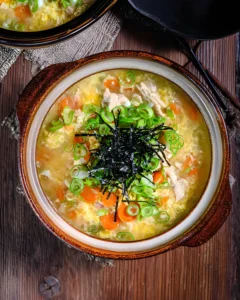
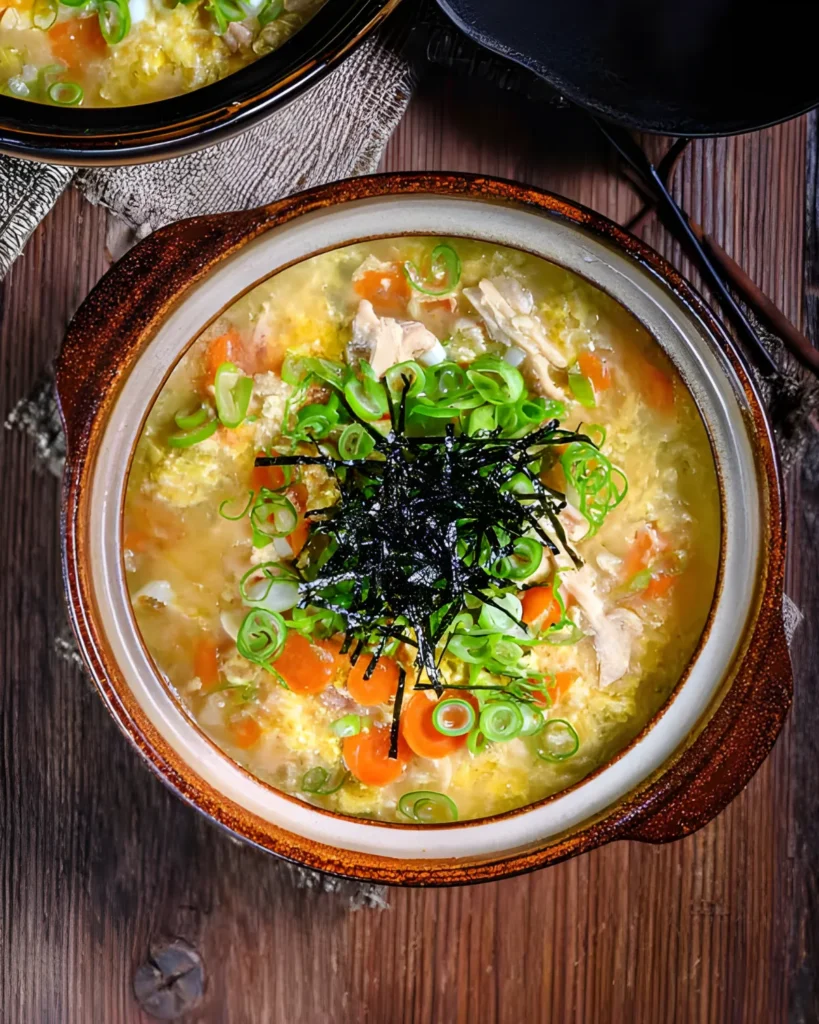
Chicken Zosui is a comforting Japanese rice soup that brings warmth, balance, and simplicity into one nourishing bowl. This traditional dish combines tender chicken, gently simmered rice, silky egg ribbons, and umami-rich dashi broth. In this guide, you’ll learn how to make authentic Chicken Zosui at home, along with expert tips, variations, and serving ideas. Whether you want a light dinner, a cozy winter meal, or something soothing after a long day, this Japanese rice soup delivers clean flavors and satisfying texture without feeling heavy.
Chicken Zosui – A Traditional Japanese Comfort Dish
The Story Behind This Japanese Rice Soup
Hi, I’m Ethan—the cook, creator, and voice behind this cozy corner of the web.
The first time I made Chicken Zosui, I wanted something warm yet light. It was a chilly evening, and I had leftover rice sitting in the fridge. Instead of making fried rice, I reached for dashi, chicken thigh, and fresh ginger. Within minutes, the kitchen filled with a delicate aroma that instantly felt comforting.
In Japan, families often prepare zosui at the end of a hot pot meal. They use the remaining broth and simmer rice directly in it. This approach creates a humble yet deeply satisfying rice soup that avoids waste while maximizing flavor.
What I love most about this dish is its balance. The broth tastes clean. The rice absorbs flavor without becoming heavy. The eggs add silkiness without overpowering the bowl. Every time I prepare this comforting meal, I’m reminded that simple ingredients create extraordinary results.
If you enjoy cozy rice-based dishes like this one, you might also love my creamy and satisfying Chicken and Rice Soup recipe at , which uses similar comforting ingredients. Additionally, if you appreciate traditional Asian-inspired comfort meals, my flavorful Miso Soup Recipe atpairs beautifully with this dish.
What Makes Chicken Zosui So Special
This Japanese comfort soup stands out because it builds flavor gently. Dashi forms a clean base. Soy sauce enhances savoriness. Ginger adds warmth. Meanwhile, tender chicken provides richness without heaviness.
Unlike thick porridge-style dishes, this version keeps a lighter consistency. The rice swells just enough to create body while still allowing the broth to shine.
| Ingredient | Role in the Dish |
|---|---|
| Dashi | Provides clean umami depth |
| Chicken Thigh | Adds tenderness and protein |
| Rice | Creates comforting texture |
| Eggs | Gives silky finish |
Because of this harmony, Chicken Zosui works beautifully for weeknight dinners or restorative meals.
How to Make Authentic Chicken Zosui at Home
Essential Ingredients for the Perfect Bowl
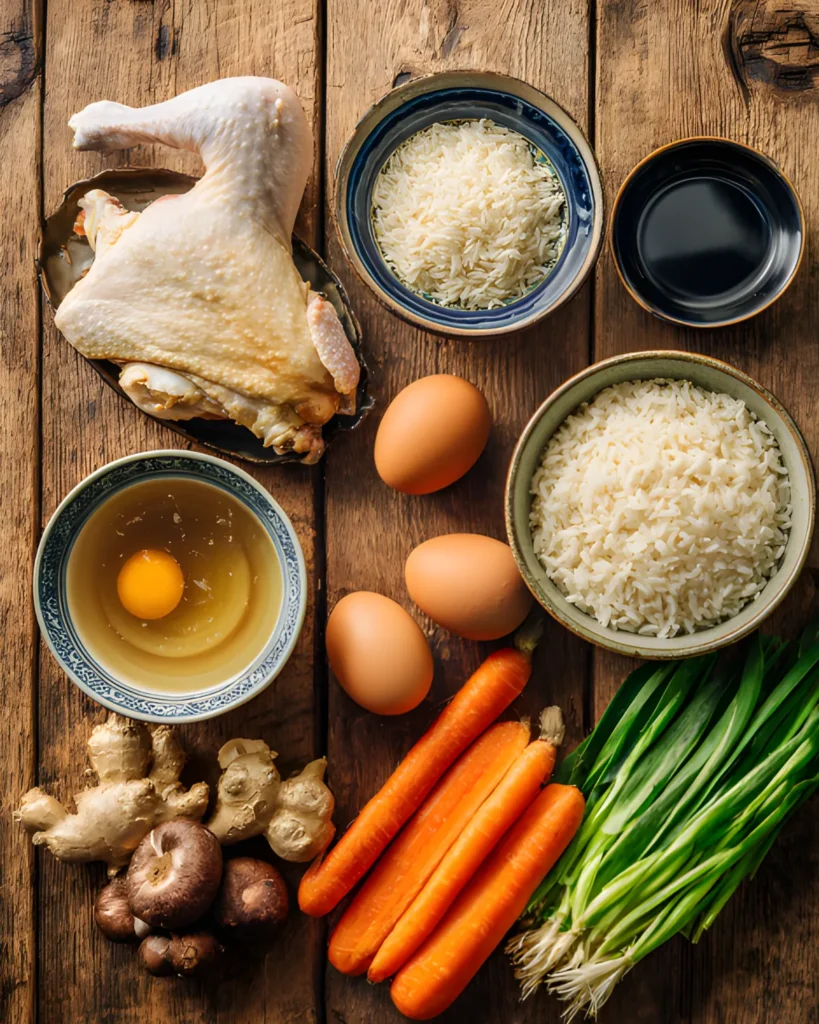
To prepare authentic zosui with chicken, focus on quality ingredients. Start with boneless chicken thigh. The skin renders flavorful fat, which enriches the broth.
Next, use cooked Japanese short-grain rice. Day-old rice works best because it holds its structure. Always rinse it gently under cold water before adding it to the pot. This step prevents excess starch from thickening the soup.
For perfectly cooked rice every time, follow my step-by-step guide on How to Cook Japanese Rice .
Dashi remains essential. It defines the dish’s clean, savory backbone. Add sake for depth and Japanese light soy sauce for seasoning. Fresh ginger brightens the flavor, while mushrooms and carrots add texture and subtle sweetness.
Step-by-Step Cooking Method
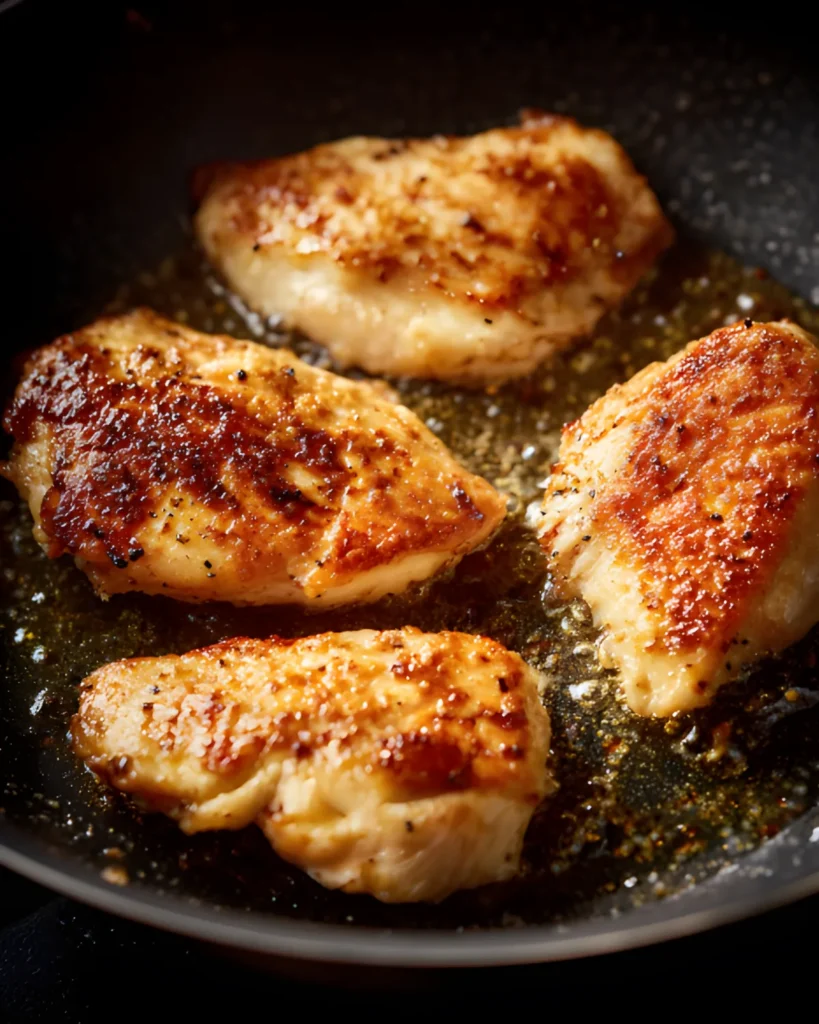
First, remove the skin from the chicken thigh and cut everything into bite-sized pieces. Slowly render the skin in a cold pan with oil until crispy. This step builds flavor naturally.
Next, transfer the rendered fat to a pot with dashi and sake. Bring it to a gentle boil. Add the chicken and simmer until fully cooked.
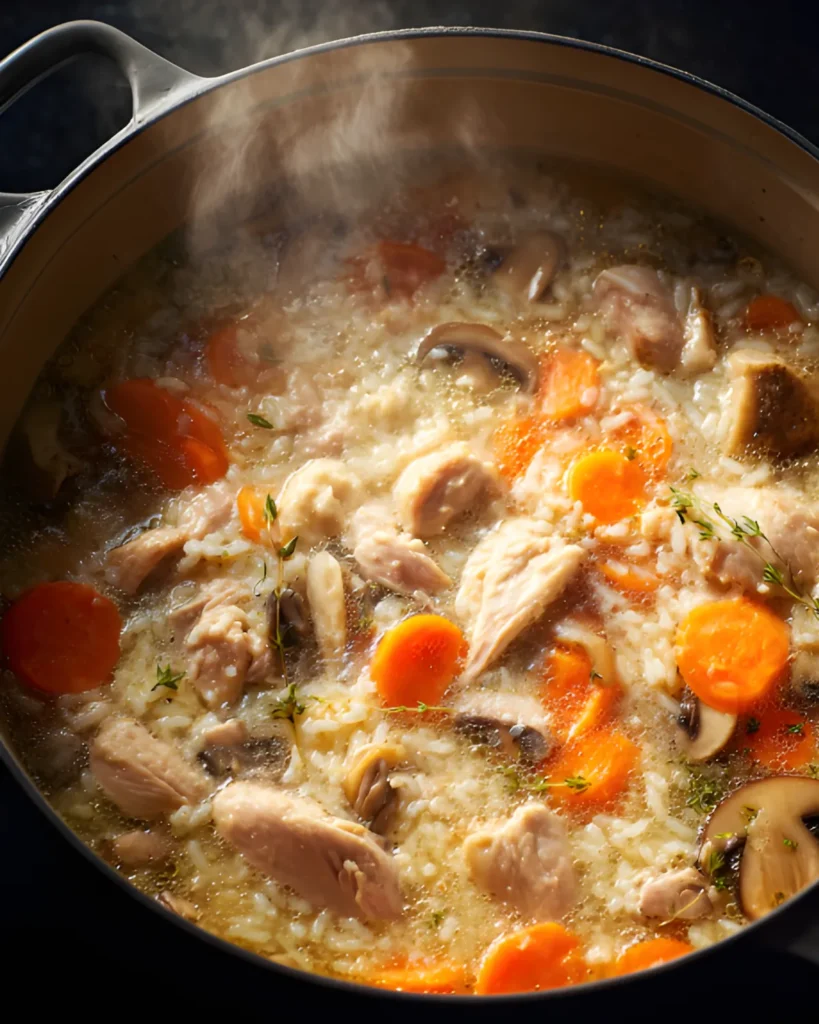
Meanwhile, rinse the cooked rice to remove surface starch. Once the chicken turns opaque, add the rice, vegetables, ginger, and soy sauce.
Simmer until the carrots soften slightly. Then pour in whisked eggs. Allow them to cook briefly—about 30 seconds—before turning off the heat. This technique creates delicate egg ribbons instead of overcooked pieces.
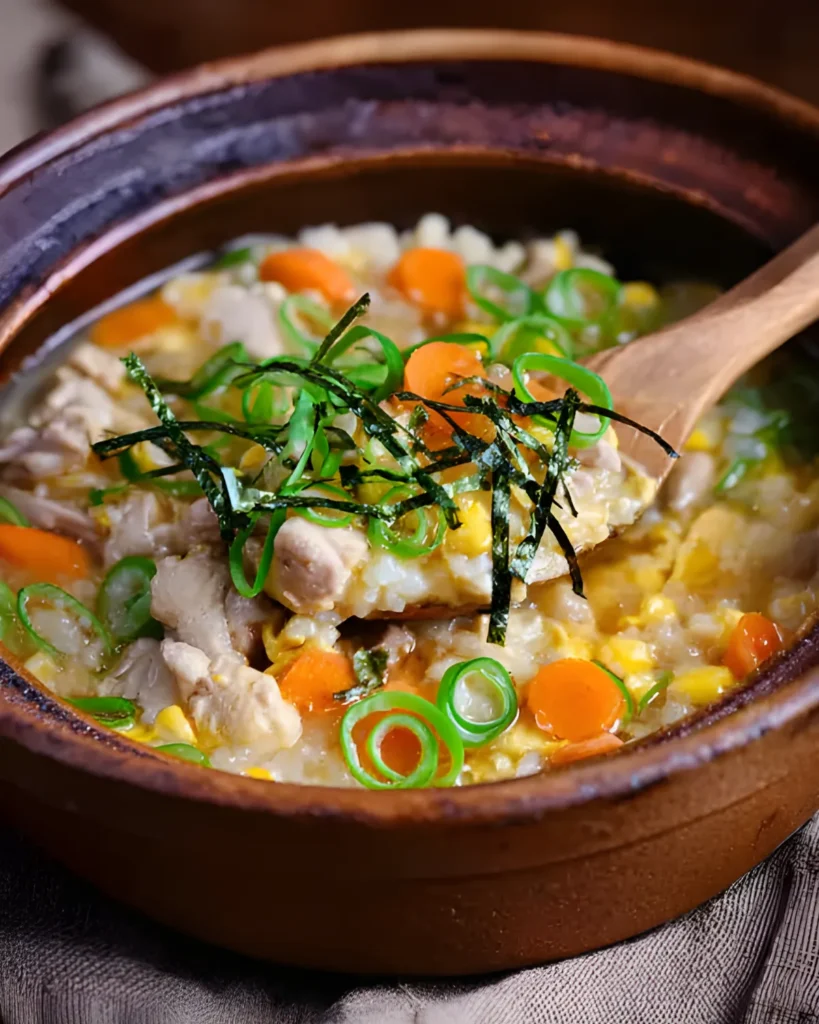
Finally, garnish with crispy skin, green onions, shredded nori, and a drizzle of sesame oil. Serve immediately.
Tips, Variations, and Ingredient Substitutions
Flavor Variations and Add-Ins
This Japanese rice dish adapts easily. For stronger umami, add more shiitake mushrooms. For extra warmth, increase the ginger. If you prefer deeper color, use a small splash of dark soy sauce.
You can also add spinach or napa cabbage near the end of cooking. These vegetables blend smoothly into the broth without overwhelming it.
If you enjoy experimenting with vegetable-forward soups, try my comforting Vegetable Clear Soup at ,or another light yet satisfying option. You may also enjoy the bold flavors in my Teriyaki Chicken Bowl at which pairs well with Japanese-style rice dishes.
| Variation | Flavor Result |
|---|---|
| Extra Ginger | Brighter warmth |
| Leafy Greens | Fresh texture |
| Dark Soy Sauce | Deeper savoriness |
Common Mistakes to Avoid
Do not skip rinsing the rice. Otherwise, the broth turns overly thick.
Avoid overcooking the eggs. They should stay soft and silky.
Taste before adding extra salt because soy sauce already seasons the dish.
Finally, serve immediately to maintain the ideal consistency.
Serving Suggestions, Storage & Nutrition
How to Serve This Comforting Rice Soup
Serve this dish hot in deep bowls. Garnish generously. Keep sides light, such as quick pickles or a simple cucumber salad. Because the rice continues absorbing liquid, avoid letting it sit too long before serving.
Storage and Reheating Tips
Store leftovers in an airtight container for up to two days. When reheating, add a splash of dashi or water to loosen the consistency. Warm gently over medium-low heat.
| Nutrient | Approximate Amount |
|---|---|
| Calories | 350–400 kcal |
| Protein | 20–25 g |
| Carbohydrates | 40–45 g |
FAQ
What is Chicken Zosui?
It is a traditional Japanese rice soup made with chicken, rice, dashi broth, and eggs.
Can I use leftover rice?
Yes. Day-old rice works best for maintaining texture.
Can I substitute dashi?
You can use light chicken broth, although authentic flavor comes from dashi.
Is this dish healthy?
Yes. It offers balanced protein, carbohydrates, and moderate fat in a light broth.
The Cultural Background of Zosui in Japan
Zosui plays an important role in Japanese home cooking. Traditionally, families prepare it at the end of a hot pot meal. After enjoying meats and vegetables, they simmer rice directly in the remaining broth. This practice prevents waste while transforming leftover stock into a final comforting course.
Unlike okayu, which cooks raw rice in water until soft, zosui uses pre-cooked rice. As a result, it keeps more texture while absorbing flavor from the broth. Many households serve it when someone feels under the weather because it feels gentle and nourishing.
Because it relies on pantry staples and simple techniques, this dish represents the heart of Japanese comfort food—balanced, practical, and deeply satisfying.
When to Serve Chicken Zosui
This comforting rice soup works beautifully in many situations. First, it makes an excellent winter dinner when you crave warmth without heaviness. Additionally, it serves as a gentle recovery meal after illness because the broth feels soothing and easy to digest.
You can also serve it as a late-night meal since it satisfies without overwhelming the stomach. Moreover, it works wonderfully after hosting a hot pot dinner. Instead of discarding the broth, simply transform it into this comforting rice-based dish.
Because it balances protein, carbohydrates, and warming ingredients like ginger, it supports steady energy while remaining light.
Conclusion
Chicken Zosui brings together simple ingredients to create extraordinary comfort. From the rich dashi broth to the silky egg finish, every spoonful delivers warmth and balance. Because it adapts easily to your preferences, you can enjoy it year-round. Whether you cook it as a cozy dinner or a restorative meal, Chicken Zosui proves that humble ingredients create unforgettable flavor.
Print
Chicken Zosui – 7 Proven Secrets for Amazing Comfort
- Total Time: 25 minutes
- Yield: 2 servings 1x
Description
Chicken Zosui is a comforting Japanese rice soup made with tender chicken, dashi broth, vegetables, and silky eggs.
Ingredients
150 g boneless chicken thigh skin-on
1 tsp cooking oil
400 ml dashi stock
1 tbsp sake
200 g cooked Japanese short-grain rice
¼ Japanese leek sliced
½ carrot julienned
2 fresh shiitake mushrooms sliced
100 g enoki mushrooms
15 g grated ginger
3 tbsp Japanese light soy sauce
2 eggs
Finely chopped green onions
Shredded nori
Shichimi togarashi
Toasted sesame oil
Instructions
1. Remove chicken skin and cut into small pieces.
2. Render chicken skin slowly until crispy.
3. Add dashi and sake to a pot and bring to a boil.
4. Add chicken and cook until no longer pink.
5. Rinse cooked rice and drain.
6. Add rice, vegetables, ginger, and soy sauce.
7. Simmer until vegetables soften.
8. Pour whisked eggs into the pot.
9. Cook for 30 seconds and turn off heat.
10. Garnish and serve immediately.
Notes
Use day-old rice for best texture.
Rinse rice before adding to prevent gumminess.
Do not overcook eggs.
Serve immediately for ideal consistency.
- Prep Time: 10 minutes
- Cook Time: 15 minutes
- Category: Main Course
- Method: Simmering
- Cuisine: Japanese
Nutrition
- Serving Size: 1 bowl
- Calories: 380
- Fat: 14 g
- Carbohydrates: 42 g
- Protein: 22 g