Introduction
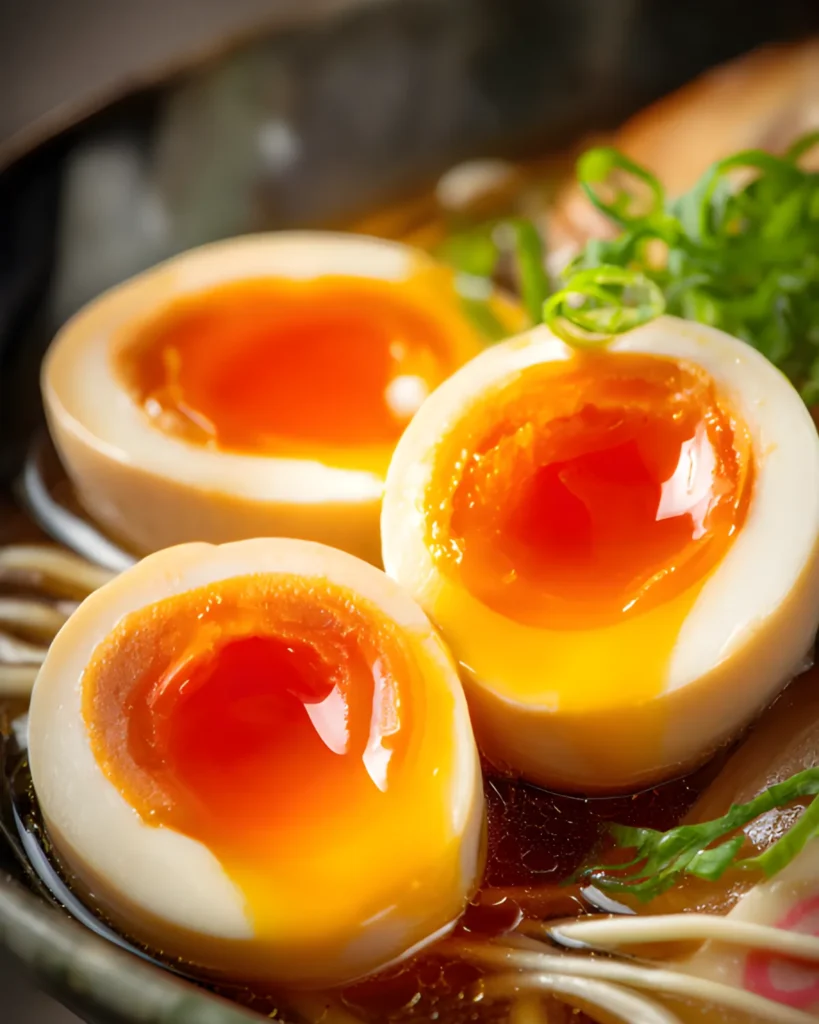
Ajitama egg is one of the most iconic toppings in Japanese ramen, and once you taste it, you understand why. That glossy soy-marinated exterior and perfectly jammy center turn a simple bowl of noodles into something unforgettable. The first time I sliced into one at home, I watched the golden yolk gently spill into the broth, and I knew this recipe would stay in my kitchen forever. In this guide, you’ll learn the exact boil time, marinade balance, variations, and serving tips so you can master this classic ramen egg with confidence.
Ajitama Egg – The Story Behind This Ramen Classic
What Is an Ajitama Egg?
An ajitama egg, also called a ramen egg or hanjuku egg, is a soft-boiled egg marinated in a savory soy-based mixture. The name means “seasoned egg” in Japanese, and it perfectly describes the result. Unlike a plain soft-boiled egg, this version absorbs deep umami flavor from a simple blend of soy sauce, mirin, sake, and sugar.
I still remember tasting one in a small ramen shop where the broth simmered all day. The chef sliced the marinated egg carefully and placed it beside tender chashu pork and springy noodles. That creamy center contrasted beautifully with the salty broth. Since then, I’ve recreated this ramen egg countless times at home.
Although it looks impressive, the process stays simple. You boil the eggs precisely, cool them quickly, peel them gently, and let them soak in marinade for several hours. As a result, the whites absorb flavor while the yolk remains custardy and rich.
Ajitama Egg vs Onsen Egg
Many people compare ajitama egg vs onsen egg, but they differ in both preparation and texture. A seasoned ramen egg cooks in boiling water for a specific time, usually around seven minutes. Afterward, it marinates in a soy mixture. In contrast, onsen egg cooks slowly at a lower temperature without marinade, creating a much softer, almost silky consistency.
Because the marinated version absorbs seasoning, it delivers bold umami flavor. Onsen egg focuses more on delicate texture. If you want that classic ramen topping with a defined white and jammy center, the marinated style is the right choice.
How to Make the Perfect Ramen Egg at Home
Ajitama Egg Boil Time and Texture
Perfect texture depends entirely on timing. Therefore, precision matters.
Bring 4 cups (1 liter) of water to a full boil. Keep your eggs refrigerated until the last moment. Cold eggs help regulate internal cooking. Once the water boils, gently lower each egg into the pot using a ladle or strainer. Immediately set a timer for 7 minutes.
- 6–6½ minutes: very runny center
- 7 minutes: jammy, custard-like yolk
- 8–9 minutes: slightly firmer center
During the first three minutes, gently rotate the eggs to center the yolk. Meanwhile, maintain a gentle boil. The water should simmer steadily but not bounce the eggs around.
When the timer ends, transfer the eggs immediately to an ice bath. Let them cool for 15 minutes. This step stops the cooking process and preserves that creamy interior.
Ajitama Marinade and Flavor Balance
The marinade defines the flavor of this Japanese marinated egg. Combine:
- ¼ cup soy sauce
- ¼ cup mirin
- ¼ cup sake (or water)
- 1 teaspoon sugar
Bring the mixture to a boil while whisking to dissolve the sugar. Then lower the heat and simmer for one minute. Allow it to cool completely before using it.

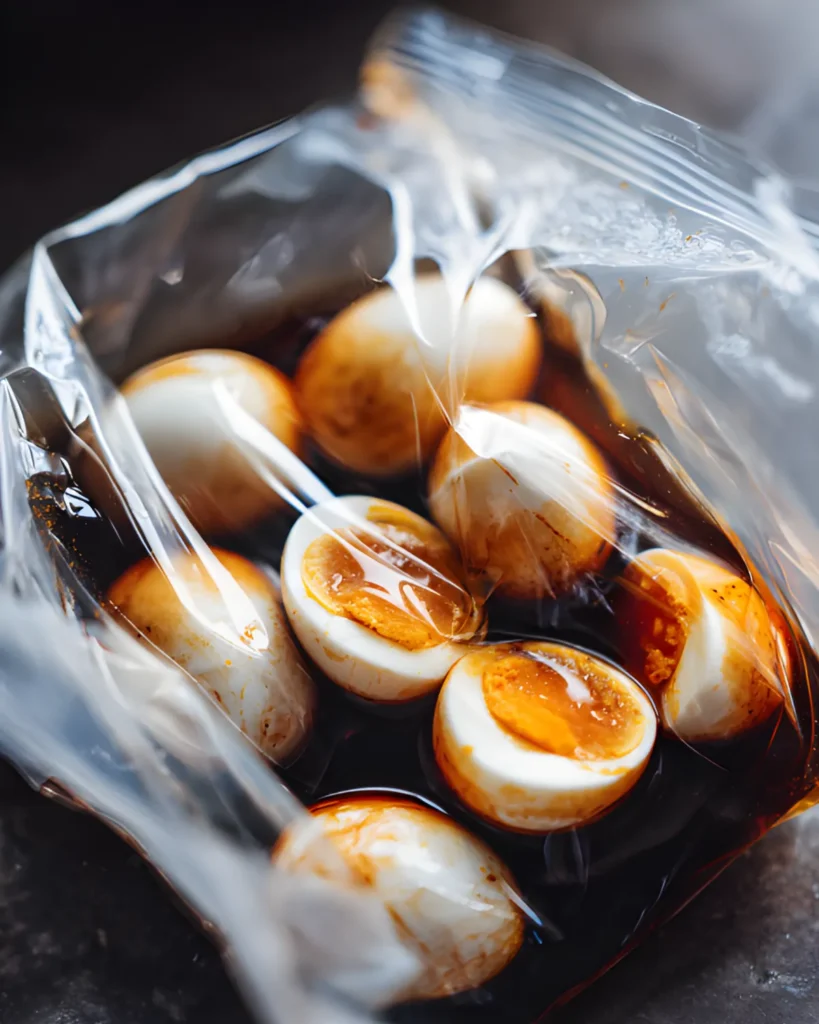
After peeling the eggs carefully, place them in a small plastic bag with the cooled marinade. Removing excess air keeps the eggs submerged while using less liquid. Refrigerate for at least 8 hours or overnight.
As the eggs rest, the whites absorb savory depth while the yolk stays creamy and smooth. The balance of saltiness and subtle sweetness creates that authentic ramen flavor.
Variations, Nutrition, and Substitutions
Making Ajitama Egg Without Mirin
If you don’t have mirin, you can still prepare this recipe successfully. Replace the mirin with ¼ cup water and add an extra ½ teaspoon of sugar. This adjustment keeps the flavor balanced.
Some cooks add garlic or ginger for extra depth. However, traditional seasoning keeps the profile clean and focused. If you want authenticity, stick to the core ingredients.
Ajitama Egg Calories and Nutrition
Many people ask about ajitama egg calories. Fortunately, this ramen topping provides strong protein value while remaining moderate in calories.
| Nutrient | Approx. Per Egg |
|---|---|
| Calories | 80–90 kcal |
| Protein | 6–7 g |
| Fat | 5–6 g |
Because the marinade lightly coats the surface, it does not significantly increase calories. As a result, this protein-rich topping fits easily into balanced meals.
Serving, Storage, and Safety Tips
Serving with Ramen, Chashu, and Mayu
This seasoned egg truly shines in ramen. Slice it in half and place it gently over hot noodles. The yolk blends into the broth, adding richness and depth.
Traditionally, ramen includes chashu pork, naruto fish cake, green onions, and sometimes a drizzle of mayu (black garlic oil). If you enjoy exploring comforting meals, you can find more hearty ideas in the dinner recipe collection, where rich, satisfying dishes take center stage.
If you love Japanese flavors, you might also enjoy browsing theJapanese recipes category for more authentic-inspired dishes that pair beautifully with ramen eggs.
Beyond ramen, this marinated egg works perfectly in rice bowls or alongside noodle dishes. For more inspiration, check out creative bowls and broths in the <a href=”https://www.flavorsofrecipes.com/noodle-recipes/”>noodle recipes section</a>, where comforting flavors come together easily.
Storage and Pregnancy Considerations
Store the eggs submerged in marinade in the refrigerator and consume them within 3–4 days. Always discard the used marinade for safety.
Because this protein-rich topping fits into balanced eating plans, you can also explore similar options in the healthy recipes category for nutritious meal ideas.
Additionally, if you’re preparing a complete ramen spread, consider serving it alongside small plates from the side dishes collection to create a restaurant-style experience at home.

FAQ
How long should I boil ajitama egg?
Seven minutes creates a jammy yolk. Adjust slightly based on your texture preference.
What is the difference between ajitama egg and onsen egg?
The marinated version cooks in boiling water and absorbs soy seasoning, while onsen egg cooks slowly without marinade.
Can I make it without mirin?
Yes. Replace mirin with water and extra sugar for balanced flavor.
How many calories are in one serving?
Approximately 80–90 calories with 6–7 grams of protein.
Conclusion
Ajitama egg proves that simple ingredients can create extraordinary flavor. With precise timing, balanced marinade, and proper storage, you can recreate this authentic ramen topping easily at home. Whether you add it to a steaming bowl of noodles or enjoy it over rice, this Japanese marinated egg delivers creamy texture and rich umami every time.
SHORT STORY
Hi, I’m Ethan—the cook, creator, and voice behind this cozy corner of the web. My love for ajitama egg started after tasting it in a small ramen shop where the chef sliced into that perfectly jammy center right before serving. I knew I had to recreate it at home. With simple ingredients and careful timing, this ajitama egg recipe brings that same comforting flavor into your kitchen. Cooking connects us, and even something as humble as a ramen egg can turn an ordinary meal into something special. Let’s cook something wonderful together.
Print
Ajitama Egg: 7-Minute Ultimate Authentic Ramen Secret
- Total Time: 8 hours 17 minutes
- Yield: 4 eggs 1x
- Diet: Vegetarian
Description
Ajitama egg is a soft-boiled Japanese ramen egg marinated in soy sauce, mirin, and sake for rich umami flavor and a jammy yolk.
Ingredients
4 large eggs
1/4 cup soy sauce
1/4 cup mirin
1/4 cup sake
1 tsp sugar
Instructions
1. Combine soy sauce, mirin, sake, and sugar in a saucepan.
2. Bring to a boil and simmer for 1 minute. Cool completely.
3. Boil 4 cups of water and gently lower the eggs.
4. Cook for 7 minutes for a jammy yolk.
5. Transfer eggs to an ice bath for 15 minutes.
6. Peel carefully from the wide end.
7. Place eggs in a bag with marinade and remove air.
8. Refrigerate for 8 hours or overnight.
Notes
Marinate at least 8 hours.
Store up to 4 days refrigerated.
Use marinade only once for safety.
- Prep Time: 10 minutes
- Cook Time: 7 minutes
- Category: Side Dish
- Method: Boiling
- Cuisine: Japanese
Nutrition
- Serving Size: 1 egg
- Calories: 85
- Sugar: 1g
- Sodium: 350mg
- Fat: 6g
- Saturated Fat: 2g
- Unsaturated Fat: 4g
- Trans Fat: 0g
- Carbohydrates: 2g
- Fiber: 0g
- Protein: 6g
- Cholesterol: 185mg