Chicken Karaage – The Story Behind This Japanese Favorite
What Makes Chicken Karaage Different from Regular Fried Chicken
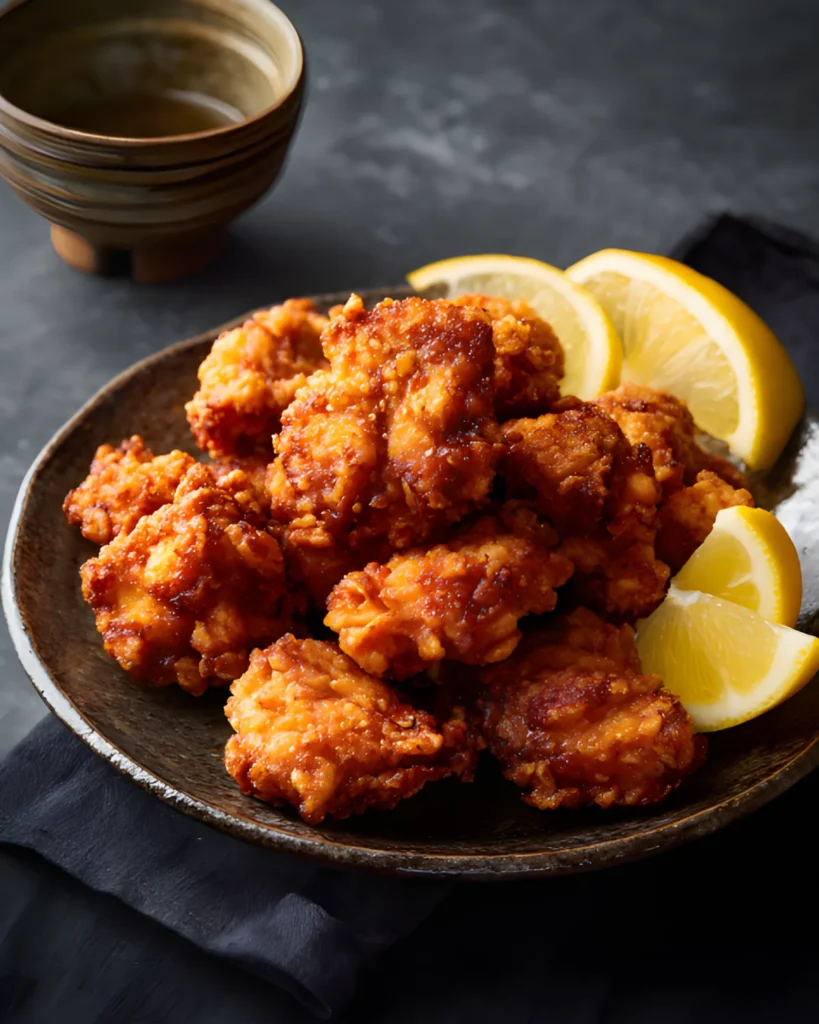
Chicken Karaage stands apart from typical fried chicken because it focuses on flavor first and crunch second. Unlike Western-style fried chicken that uses buttermilk and heavy batter, Chicken Karaage relies on a soy-based marinade. Ginger, garlic, soy sauce, and sesame oil infuse the meat deeply. As a result, every bite delivers bold umami flavor.
Additionally, authentic Japanese fried chicken uses boneless, skin-on chicken thighs. The skin crisps beautifully, while the thigh meat stays tender and juicy. Because thighs contain more fat than breast meat, they resist drying out during frying.
Another major difference lies in the coating. Traditional Chicken Karaage uses potato starch instead of just flour. Potato starch creates a lighter, crispier shell that shatters when you bite into it. Some cooks combine flour and starch, which adds structure while keeping that signature crunch.
Most importantly, the double-fry method transforms Karaage chicken into something unforgettable. First, you fry at a lower temperature to cook the chicken gently. Then, after resting, you fry again at a higher temperature. Consequently, you achieve a golden, ultra-crispy exterior without overcooking the inside.
Why Chicken Karaage Is Perfect for Japanese Food Potluck
Because Chicken Karaage holds its texture well, it works perfectly for a Japanese food potluck. You can fry it slightly ahead of time and reheat it quickly before serving. Moreover, it travels easily, which makes it ideal for gatherings.
If you enjoy serving crowd-pleasing dishes like crispy chicken bites or Asian themed appetizers, this recipe fits beautifully alongside favorites such as dumplings or teriyaki skewers. It also pairs wonderfully with rice dishes like those featured in our Japanese-inspired comfort meals section, making it versatile for both casual dinners and themed parties.
Furthermore, guests love its balanced flavor. The soy marinade feels savory but not overpowering. A squeeze of lemon brightens everything instantly. And when you serve it with Japanese Kewpie mayonnaise, you elevate it into a true Japanese food appetizer experience.
Chicken Karaage doesn’t just taste amazing. It creates that exciting moment when everyone reaches for seconds.
Authentic Chicken Karaage Recipe and Ingredients
Essential Ingredients for Traditional Chicken Karaage
When you make authentic Chicken Karaage, every ingredient plays a clear role. Because this dish depends on balance, even small details matter.
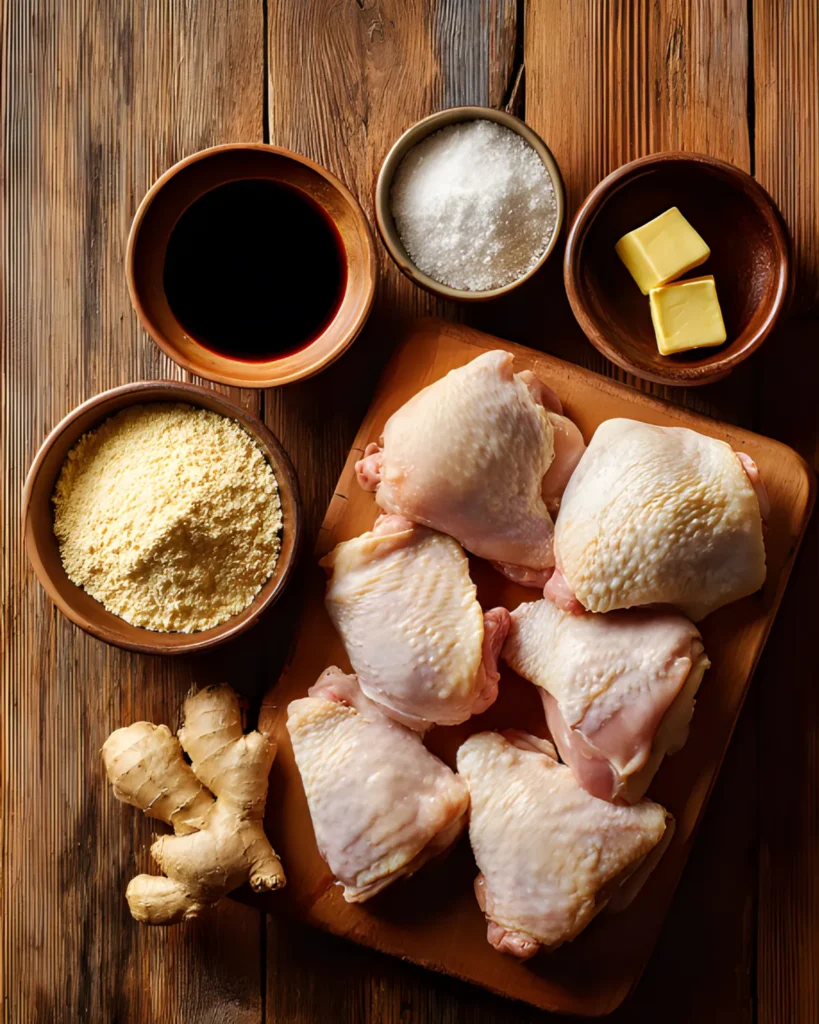
First, always choose boneless, skin-on chicken thighs. Thigh meat stays juicy during frying, while the skin crisps beautifully. Although chicken breast cooks faster, it dries out more easily. Therefore, thighs give you the best Japanese fried chicken texture.
Next comes the marinade. Freshly grated ginger and garlic build a bold base. Then soy sauce adds saltiness and umami depth. A small amount of sake enhances flavor while tenderizing the meat. Finally, toasted sesame oil rounds everything out with warmth and aroma. Together, these ingredients define true Karaage chicken.
For the coating, you’ll use a combination of all-purpose flour and potato starch. While flour provides structure, potato starch creates that light, shattering crispiness that makes Chicken Karaage unforgettable.
Here’s a quick comparison to help you choose:
| Coating Option | Result |
|---|---|
| Potato Starch | Extra crispy, light, airy crunch |
| Cornstarch | Crisp texture, slightly less delicate |
Additionally, always use a neutral oil such as vegetable or canola oil. Neutral oil prevents flavor interference while ensuring even frying.
If you enjoy experimenting with crispy textures, you might also like our crunchy chicken recipes collection, which explores similar frying techniques.
Ingredient Substitutions and Pro Tips
Although traditional Chicken uses sake, you can substitute dry sherry or Chinese rice wine. If you prefer to skip alcohol entirely, simply omit it. The recipe still delivers fantastic flavor.
Similarly, if you cannot find potato starch, cornstarch works well. However, potato starch produces the most authentic Japanese fried chicken texture.
Marinating for at least 30 minutes remains essential. Because the marinade penetrates quickly into smaller 2-inch pieces, this short rest builds deep flavor without overpowering the chicken. Meanwhile, avoid marinating too long, as excessive soy sauce can toughen the meat.
Controlling oil temperature also matters. Heat your oil to 325°F for the first fry. This step cooks the interior gently. Later, increase it to 350°F for the second fry to create a golden crust.
If you love serving Asian themed appetizers, this technique pairs beautifully with dishes from our Asian appetizer ideas guide. Moreover, for potluck inspiration, explore our Japanese food party menu collection to build a complete spread around Chicken Karaage.
How to Make Chicken Karaage Step by Step
Marinating and Coating Karaage Chicken Properly
To make authentic Chicken Karaage, start by cutting 1½ pounds of boneless, skin-on chicken thighs into 2-inch pieces. Because even sizing ensures even cooking, try to keep each piece consistent. Then season with kosher salt and freshly ground black pepper.
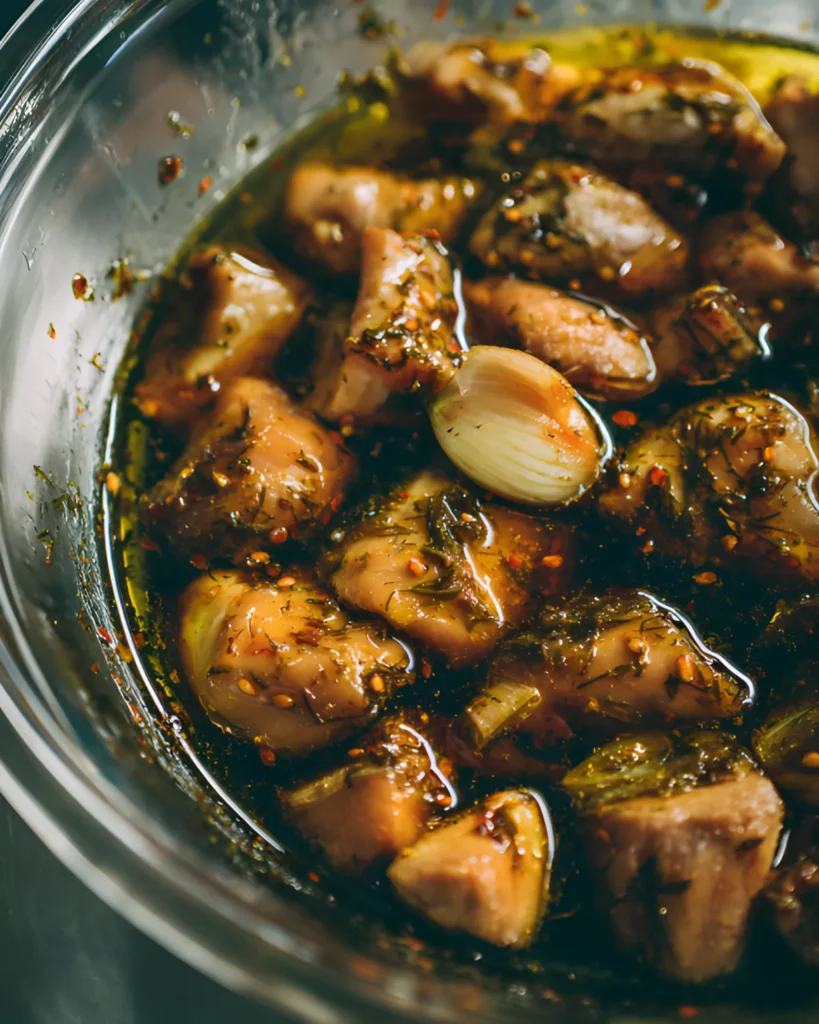
Next, prepare the marinade. Grate fresh ginger and include its juice for maximum flavor. Mince one clove of garlic and add it to a bowl with soy sauce, sake, and toasted sesame oil. Whisk everything together until fully combined. Then add the chicken and mix with your hands so every piece absorbs the marinade evenly. Cover and refrigerate for 30 minutes.
While the chicken rests, prepare your dredging station. Place flour on one tray and potato starch on another. First, lightly coat each marinated chicken piece in flour and shake off the excess. Then dredge it in potato starch. This two-step coating builds structure while creating that signature crispy exterior that defines Japanese fried chicken.
Because proper coating determines texture, avoid pressing too hard. A light, even layer works best. If you enjoy mastering crisp techniques like this, you might also explore our guide to perfect crispy appetizers for more texture-focused recipes.
Double Frying Technique for Extra Crispy Japanese Fried Chicken
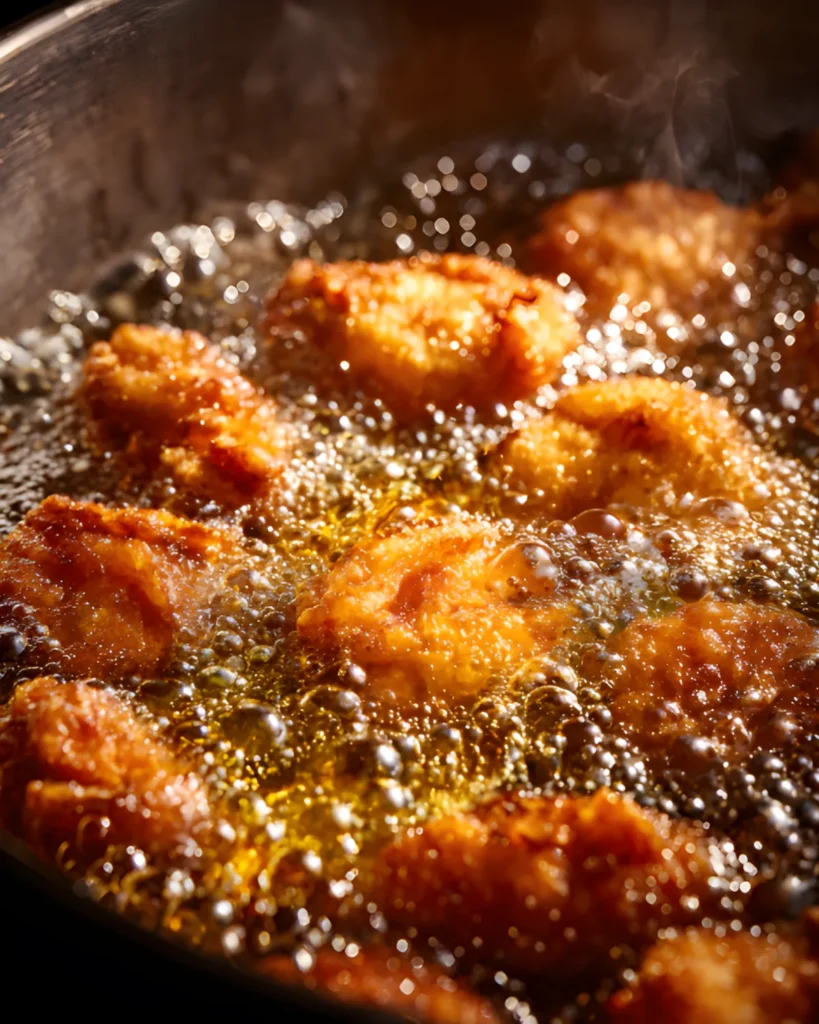
The double-fry method transforms Chicken Karaage into a truly irresistible dish. First, heat neutral oil to 325°F (160°C). Use a heavy-bottomed pot and ensure the oil reaches at least 1 to 1½ inches deep. Then gently add 3 to 5 chicken pieces at a time. Avoid overcrowding, as this drops the oil temperature quickly.
Fry for 90 seconds until lightly golden. Remove the chicken and place it on a wire rack. The residual heat continues cooking the interior while resting.
Now raise the oil temperature to 350°F (180°C). Return the rested chicken to the oil and fry for 45 seconds. This second fry crisps the exterior beautifully while locking in juiciness.
Here’s a quick reference:
| Frying Stage | Temperature | Time |
|---|---|---|
| First Fry | 325°F (160°C) | 90 seconds |
| Second Fry | 350°F (180°C) | 45 seconds |
Between batches, remove crumbs with a fine-mesh sieve to keep the oil clean. As a result, your Chicken Karaage stays golden instead of turning dark.
Serving, Storing, and Making Chicken Karaage Ahead
Best Ways to Serve Chicken Karaage
Once your Chicken Karaage turns golden and crisp, serve it immediately for the best texture. Because Japanese fried chicken shines when hot, timing matters. Arrange the pieces on a platter lined with paper towels or a wire rack to keep them crisp.
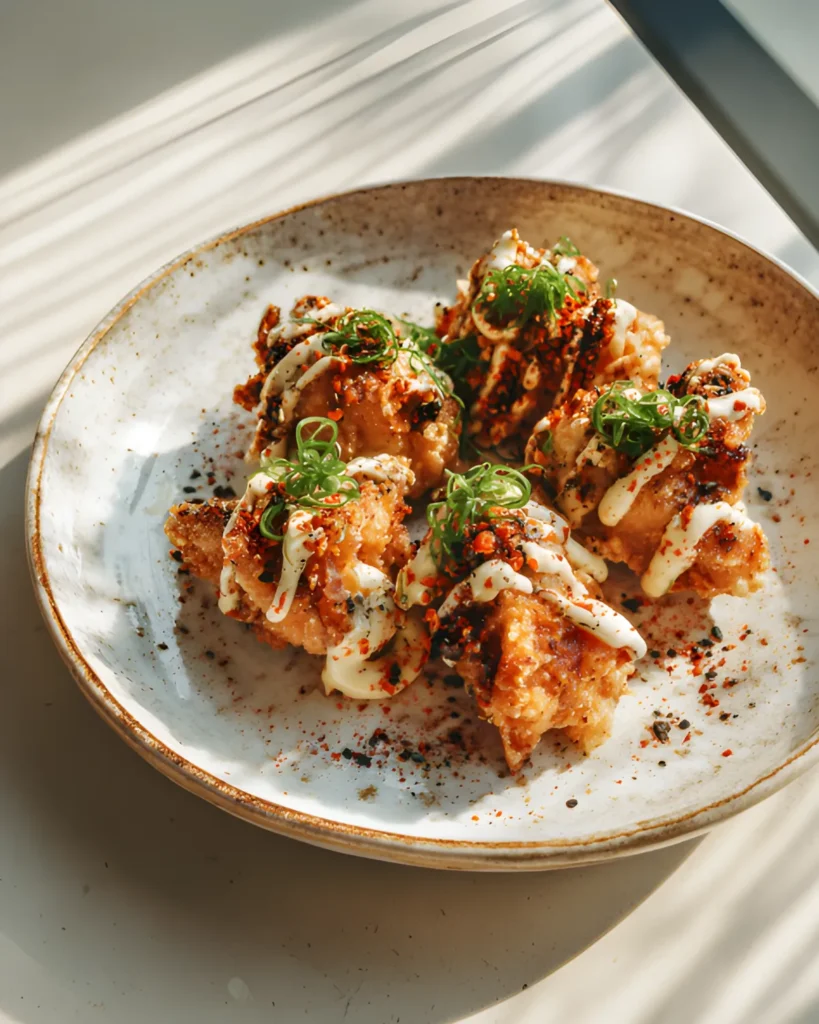
Traditionally, you serve Chicken Karaage with fresh lemon wedges. A quick squeeze brightens the savory marinade instantly. Additionally, Japanese Kewpie mayonnaise adds creamy richness that balances the crisp coating. For extra flavor, sprinkle shichimi togarashi over the mayo for a subtle heat boost.
If you’re preparing Japanese food appetizers for guests, plate Karaage chicken alongside small dipping bowls. This setup makes it perfect for sharing. Moreover, it pairs beautifully with steamed rice, cabbage slaw, or light noodle salads.
For a full Japanese food potluck spread, combine Chicken Karaage with dishes like teriyaki skewers or savory rice bowls. You can also explore our Asian themed appetizers collection to build a balanced party menu. Because this dish stays flavorful even at room temperature, it works exceptionally well for gatherings and celebrations.
Storage, Reheating, and Freezing Tips
Although Chicken Karaage tastes best fresh, you can store leftovers easily. First, allow the chicken to cool completely. Then transfer it to an airtight container.
Store in the refrigerator for up to 3 days. For longer storage, freeze it for up to one month. To freeze properly, place the pieces on a baking sheet until solid, then move them to a freezer-safe bag.
When reheating, avoid the microwave. Instead, use an oven or air fryer at 350°F for 5–8 minutes. This method restores crispiness while keeping the inside juicy.
Because double-fried Karaage chicken already contains minimal surface moisture, it reheats better than many fried dishes. As a result, it remains a reliable option for meal prep or entertaining.
Frequently Asked Questions About Chicken Karaage
1. What is the difference between Chicken Karaage and regular fried chicken?
Chicken Karaage uses a soy-based marinade with ginger and garlic, while regular fried chicken typically uses buttermilk. Additionally, Karaage relies on potato starch and a double-fry method for extra crispiness.
2. Can I use chicken breast for Chicken Karaage?
You can, but thighs deliver better results. Because thigh meat contains more fat, it stays juicy during frying and produces authentic Japanese fried chicken texture.
3. Why do you fry Chicken Karaage twice?
The first fry cooks the interior gently at a lower temperature. The second fry crisps the exterior at a higher temperature. Together, they create juicy meat with a crunchy shell.
4. Can I make Chicken Karaage ahead of time for a potluck?
Yes. Fry it once, let it rest, and complete the second fry just before serving. Alternatively, reheat in an oven or air fryer to restore crispiness.
Conclusion
Chicken Karaage combines bold flavor, crispy texture, and juicy tenderness in every bite. Because it uses simple ingredients and a powerful double-fry method, you can recreate authentic Japanese fried chicken at home without complicated techniques.
Whether you serve it as Japanese food appetizers, bring it to a Japanese food potluck, or enjoy it as part of Asian themed appetizers night, this dish always impresses. Once you master Chicken Karaage, you’ll return to it again and again.
So pull up a chair, grab your favorite plate, and let’s cook something wonderful together.
Print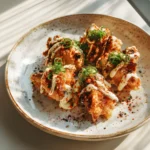
Chicken Karaage: Ultimate 2-Step Crispy Japanese Classic
- Total Time: 50 minutes
- Yield: 4 servings 1x
Description
Chicken Karaage is crispy, juicy Japanese fried chicken marinated in soy, ginger, and garlic, then double-fried for extra crunch.
Ingredients
1½ lb boneless, skin-on chicken thighs
½ tsp kosher salt
⅛ tsp black pepper
½ tsp grated ginger
1 clove garlic
½–1 Tbsp soy sauce
½ Tbsp sake
½ tsp toasted sesame oil
3–4 cups neutral oil
2 Tbsp potato starch or cornstarch
2 Tbsp all-purpose flour
Lemon wedges
Japanese Kewpie mayonnaise
Shichimi togarashi
Instructions
1. Cut chicken into 2-inch pieces and season with salt and pepper.
2. Mix ginger, garlic, soy sauce, sake, and sesame oil.
3. Marinate chicken for 30 minutes.
4. Heat oil to 325°F.
5. Coat chicken in flour, then potato starch.
6. Fry for 90 seconds and rest.
7. Increase oil to 350°F.
8. Fry again for 45 seconds until golden.
9. Drain and serve hot with lemon and mayonnaise.
Notes
Do not overcrowd the pot.
Control oil temperature carefully.
Use potato starch for authentic crisp texture.
- Prep Time: 10 minutes
- Cook Time: 10 minutes
- Category: Appetizer
- Method: Deep Fry
- Cuisine: Japanese
Nutrition
- Serving Size: 1 serving
- Calories: 320
- Sugar: 12g
- Sodium: 780mg
- Fat: 28g
- Saturated Fat: 6g
- Unsaturated Fat: 18g
- Trans Fat: 0g
- Carbohydrates: 18g
- Fiber: 1g
- Protein: 24g
- Cholesterol: 110mg