Nagoya-Style Fried Chicken Wings – A Crispy Japanese Classic
The Story Behind Japanese Tebasaki
The first time I tasted Nagoya-style fried chicken wings, I sat in a tiny izakaya packed with locals after work. The air smelled like soy sauce and hot oil, and plates of Japanese tebasaki kept landing on every table. Everyone grabbed the wings with their hands, laughing and sipping cold beer between bites. That night, I understood why this Nagoya regional specialty holds such a special place in Aichi Prefecture cuisine.
Nagoya-style fried chicken wings differ from typical American wings. Instead of thick batter or heavy sauce, Japanese tebasaki focus on crisp texture and balanced flavor. Restaurants like Sekai no Yamachan style wings and Furaibo tebasaki style helped popularize these crispy delights across Japan. Soon, they became a favorite Japanese festival food and one of the most loved beer snack wings in the country.
Because of their bold flavor and addictive crunch, Nagoya-style fried chicken wings now appear on menus worldwide. Yet, they still reflect the simple, comforting spirit of Japanese pub food. When you make this authentic tebasaki recipe at home, you bring a piece of Nagoya right into your kitchen.
What Makes Nagoya-Style Wings Unique
Unlike karaage, Nagoya-style fried chicken wings use a very light coating of potato starch. As a result, the skin turns into crispy thin-skin wings rather than thick, bready pieces. The double-fried chicken wings technique creates that signature crunch. First, you cook the wings gently. Then, you fry them again at a higher temperature to crisp the exterior perfectly.
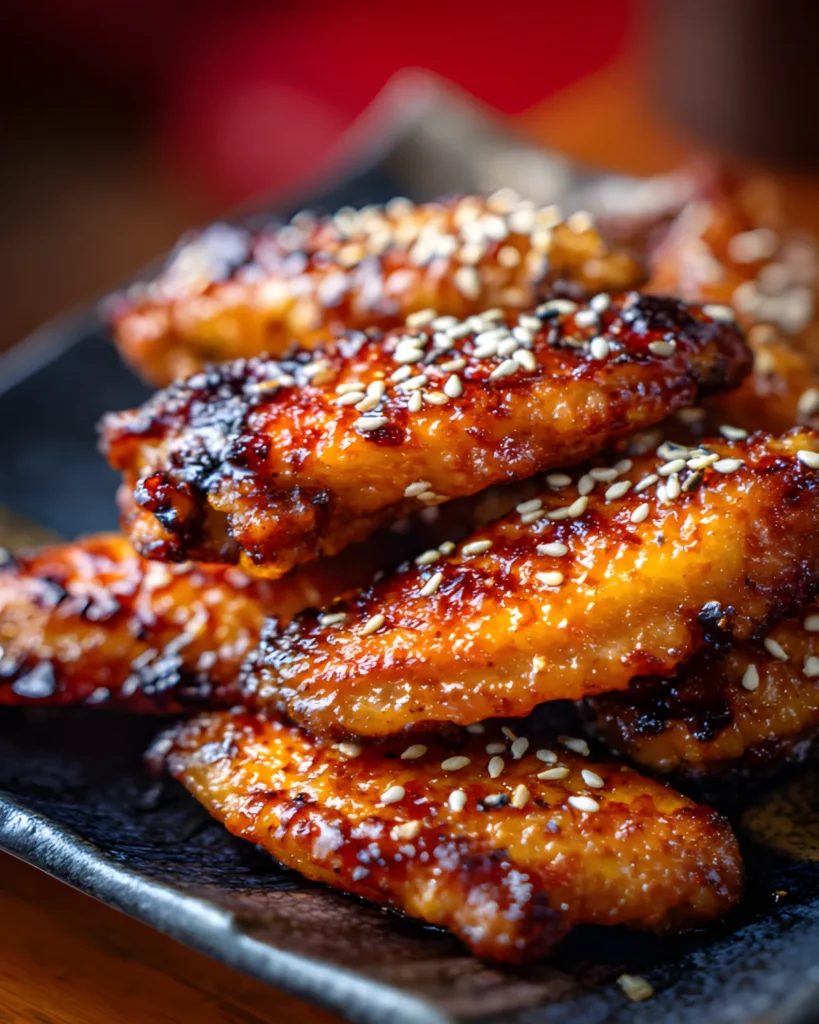
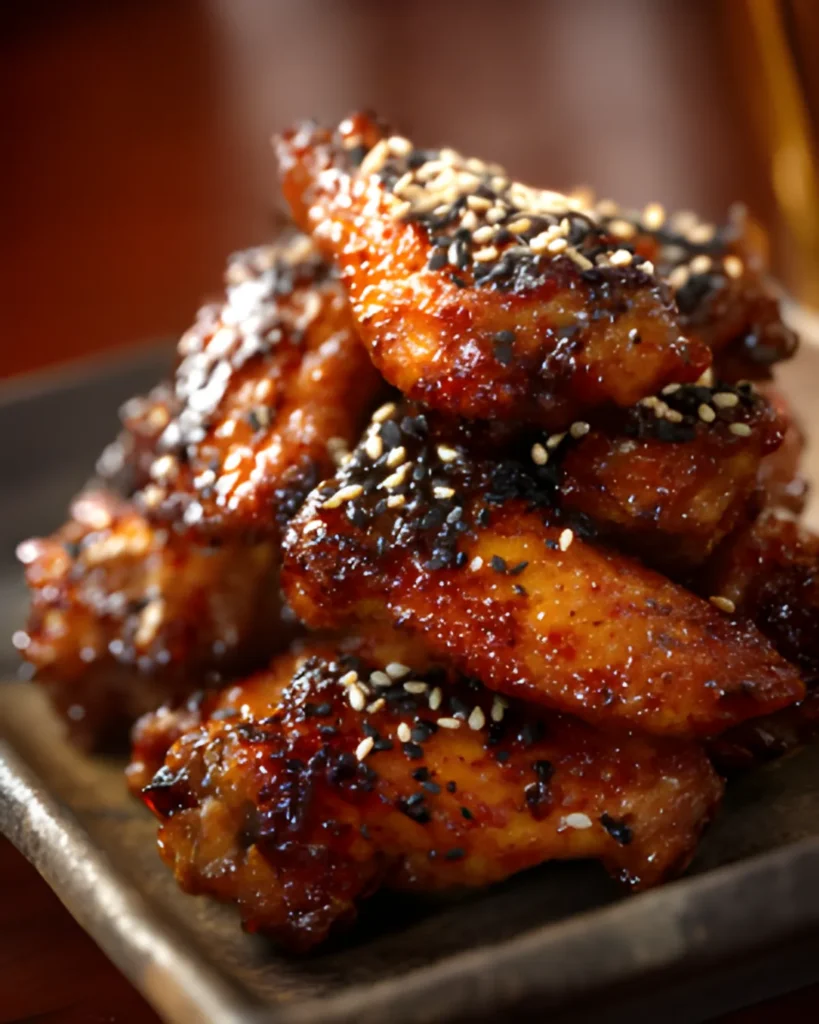
After frying, you coat the wings in a sweet-savory soy glaze made with mirin and sake glaze elements. This glaze clings to the surface while keeping the skin crisp. Finally, you finish with generous black pepper chicken wings seasoning and a sesame seed topping. The balance of sweet, salty, and spicy makes Nagoya-style fried chicken wings completely irresistible.
If you enjoy bold flavors, you might also love dishes like Teriyaki Chicken from our Japanese-inspired collection or explore other crispy favorites in our chicken recipes category.
Authentic Tebasaki Recipe – Ingredients & Sauce Secrets
Key Ingredients for Crispy Thin-Skin Wings
When I make Nagoya-style fried chicken wings at home, I keep the ingredient list simple. However, each element plays an important role. Because Japanese tebasaki focus on texture and balance, you must choose ingredients carefully.
You need chicken wings (flats and drumettes), potato starch or cornstarch, neutral oil for frying, and toasted white sesame seeds. The starch creates crispy thin-skin wings without heavy breading. Unlike flour, potato starch forms a delicate crust that shatters slightly with each bite. As a result, the double-fried chicken wings method works beautifully.
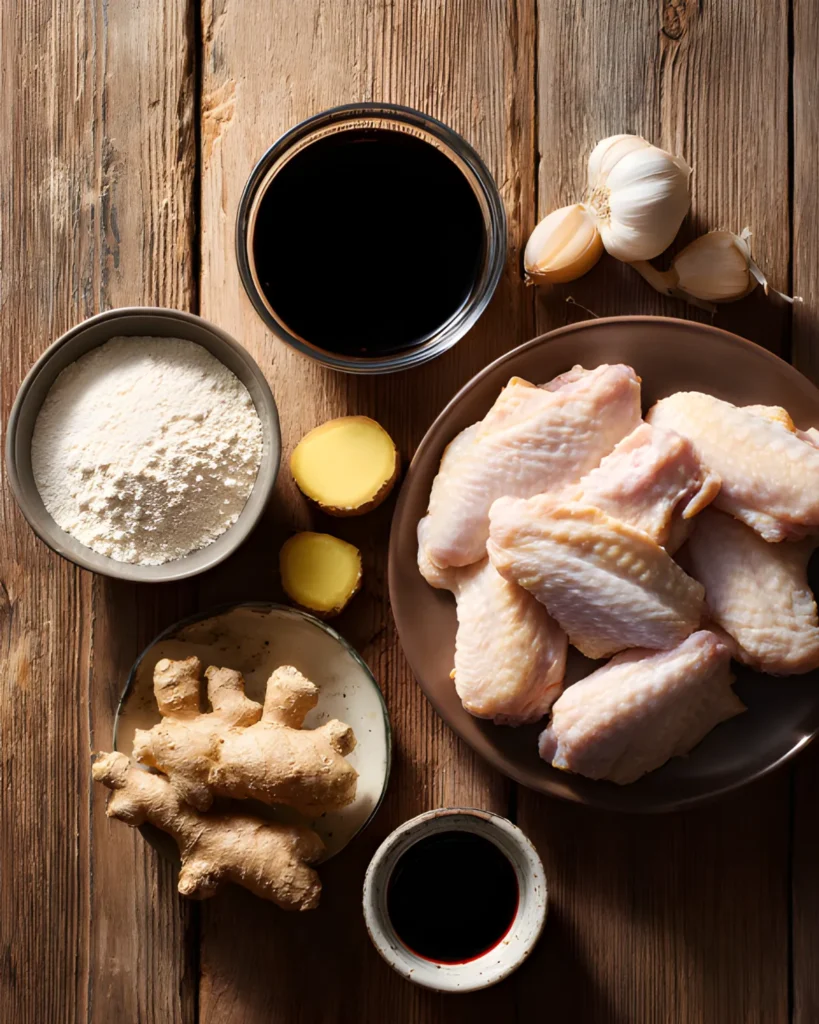
Here’s a quick breakdown:
| Ingredient | Purpose | Substitution |
|---|---|---|
| Chicken Wings | Base protein, skin crisps during frying | Party wings |
| Potato Starch | Light, crispy coating | Cornstarch |
| Neutral Oil | High-heat frying | Canola or vegetable oil |
Because Nagoya-style fried chicken wings rely on texture, always pat the wings completely dry before coating. Moisture prevents proper crisping. Additionally, avoid overcrowding the pot. That way, the oil temperature stays stable.
If you enjoy mastering frying techniques, you may also like our Crispy Fried Shrimp recipe or explore more ideas in our Japanese recipes category for authentic inspiration.
Sweet-Savory Mirin and Sake Glaze Explained
The heart of Nagoya-style fried chicken wings lies in the sweet-savory soy glaze. This mirin and sake glaze transforms simple fried wings into authentic tebasaki.
First, mirin adds natural sweetness and shine. Then, soy sauce provides deep umami. Sake balances the sweetness while enhancing aroma. Sugar strengthens the glaze structure, and a small amount of salt sharpens flavor. Meanwhile, sliced ginger and crushed garlic infuse warmth and fragrance.
As you simmer the sauce for 15–20 minutes, it thickens gradually. However, it continues to thicken as it cools. Therefore, remove it from heat once it lightly coats a spoon. You can store this glaze in a mason jar for up to one month in the refrigerator. Because of that, you can prepare Nagoya-style fried chicken wings anytime without extra effort.
This glossy glaze defines izakaya chicken wings. Yet, it never overwhelms the crisp texture. Instead, it complements the black pepper chicken wings seasoning and sesame seed topping perfectly.
How to Make Nagoya-Style Fried Chicken Wings (Step-by-Step)
Double-Fried Chicken Wings Method
When I prepare Nagoya-style fried chicken wings at home, I always follow the traditional double-fried chicken wings technique. This step creates the signature crispy thin-skin wings that define authentic Japanese tebasaki.
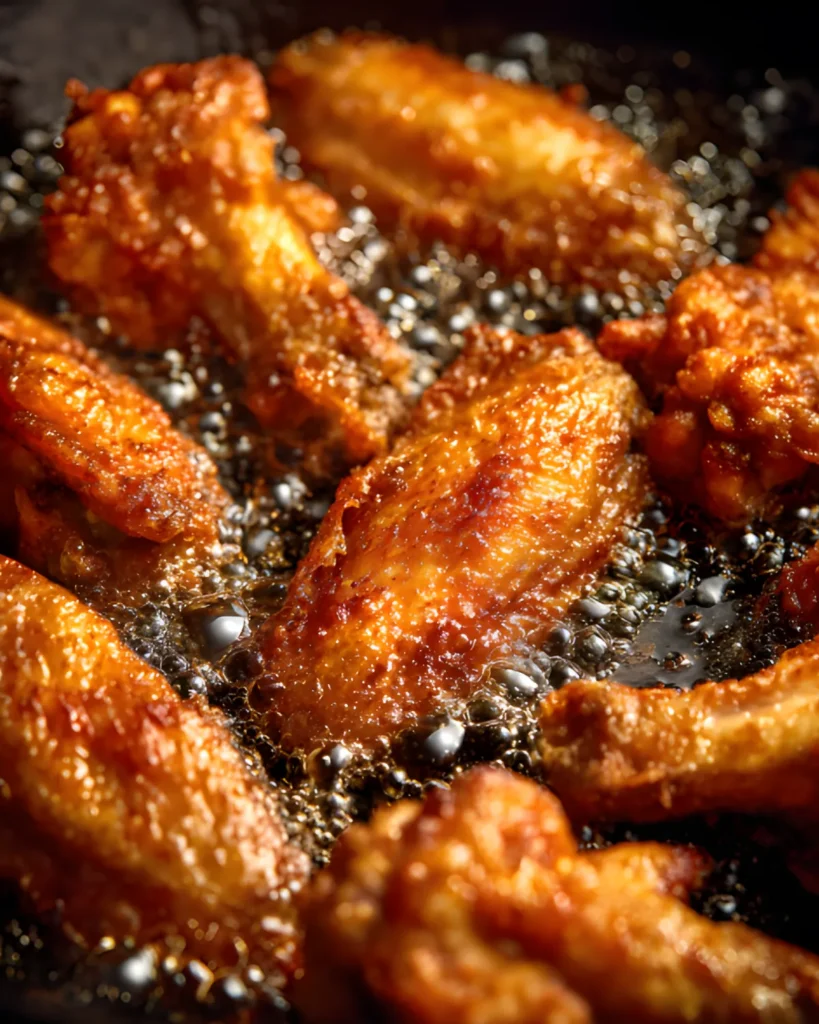
First, heat neutral oil to 320°F (160°C). Then, fry the coated wings for about 8–10 minutes. At this stage, you cook them to roughly 80% doneness. The skin turns lightly golden, but it won’t look deeply crisp yet. After that, transfer the wings to a wire rack and let them rest for 3–5 minutes. This resting period allows steam to escape. As a result, the skin dries out slightly, which helps during the second fry.
Next, increase the oil temperature to 350°F (180°C). Fry the wings again for 3–5 minutes until they turn golden brown and beautifully crisp. Because of this second fry, Nagoya-style fried chicken wings achieve that light, crackly texture without thick batter.
Here’s a quick temperature guide:
| Step | Temperature | Purpose |
|---|---|---|
| First Fry | 320°F (160°C) | Cook through gently |
| Second Fry | 350°F (180°C) | Create crispy exterior |
Because oil temperature control matters, always use a thermometer. That way, your Japanese fried chicken variation turns out consistent every time.
Glazing and Finishing Like an Izakaya
Once you finish frying, work quickly. While the wings remain hot, coat them in the sweet-savory soy glaze. You can either toss them gently in a bowl or brush the mirin and sake glaze directly over the surface. Both methods work, but tossing gives more even coverage.
After glazing, sprinkle toasted white sesame seeds generously. Then, add freshly cracked black pepper. Traditional black pepper chicken wings from Nagoya feature a bold pepper kick. Therefore, don’t hold back.
Serve your Nagoya-style fried chicken wings immediately. Because the glaze lightly coats the surface rather than soaking in, the wings stay crisp while delivering that classic spicy-sweet chicken wings flavor.
If you enjoy serving Japanese pub food at home, pair these wings with steamed rice, pickled vegetables, or even light noodle dishes. You can also explore our Asian dinner recipes collection to build a full izakaya-style spread.
Serving, Variations & Storage Tips
How to Serve Japanese Pub Food Wings
Nagoya-style fried chicken wings shine brightest when you serve them hot and fresh. In Nagoya, restaurants stack Japanese tebasaki neatly on a platter, often arranged in a pyramid shape. Then, they sprinkle extra sesame seed topping and black pepper over the top for dramatic presentation.
Because these wings deliver bold sweet-savory soy glaze flavor, they pair perfectly with cold beer. That’s why many people consider them classic beer snack wings. However, you can also serve Nagoya-style fried chicken wings with steamed white rice for a satisfying dinner. Additionally, light cabbage salad or quick pickles balance the richness beautifully.
If you host a gathering, serve these crispy thin-skin wings alongside other shareable dishes. For example, add simple appetizers from our party food recipes collection or combine them with comforting favorites from our dinner recipes category to create a full Japanese-inspired spread.
These izakaya chicken wings also fit perfectly into game nights or casual weekends. Because the glaze clings lightly to the surface, guests can enjoy them without messy, dripping sauce.
Variations & Storage Tips
Although traditional Nagoya-style fried chicken wings follow a specific flavor profile, you can easily adjust the recipe. For spicy-sweet chicken wings, increase black pepper or add a pinch of chili powder to the glaze. If you prefer a milder flavor, slightly reduce the sugar in the mirin and sake glaze.
You can also experiment with Sekai no Yamachan style wings, which lean heavier on black pepper, or try a Furaibo tebasaki style version that feels slightly sweeter. Both styles stay true to Aichi Prefecture cuisine while offering subtle differences.
To store leftovers, place the wings in an airtight container. Keep them in the refrigerator for 3–4 days or freeze them for up to one month. When reheating, use an oven or air fryer instead of a microwave. This method restores crispiness and prevents soggy skin. As a result, your Japanese fried chicken variation tastes fresh again.
Because the sauce keeps for up to a month in the refrigerator, you can prepare it in advance. That way, you can make authentic tebasaki quickly whenever cravings hit.
Frequently Asked Questions
PAA1: What makes Nagoya-style fried chicken wings different from regular wings?
Nagoya-style fried chicken wings use a light starch coating instead of thick batter. They rely on a double-fried chicken wings technique and a sweet-savory soy glaze rather than heavy sauce. The bold black pepper finish also sets Japanese tebasaki apart.
PAA2: Why are tebasaki double-fried?
The double frying removes excess moisture and creates crispy thin-skin wings. The first fry cooks the wings through, while the second fry crisps the exterior at a higher temperature.
PAA3: Can I make the mirin and sake glaze ahead of time?
Yes. You can simmer the glaze in advance and store it in the refrigerator for up to one month. It thickens as it cools, making it perfect for quick batches of Nagoya-style fried chicken wings.
PAA4: How do you keep Japanese fried chicken wings crispy?
Always fry at the correct temperatures and avoid overcrowding the pot. Coat the wings lightly with glaze instead of soaking them. Then, serve immediately for best texture.
Conclusion
Nagoya-style fried chicken wings bring together crispy texture, bold black pepper, and a glossy sweet-savory soy glaze in one unforgettable bite. This authentic tebasaki recipe captures the spirit of Japanese pub food while remaining simple enough for home cooks. Because of the double-fried chicken wings method and balanced mirin and sake glaze, you get restaurant-quality results every time. Try this Nagoya regional specialty today and enjoy a true taste of Aichi Prefecture cuisine right from your kitchen.
Nagoya-Style Fried Chicken Wings – 7 Ultimate Crispy Secrets
- Total Time: 40 minutes
- Yield: 4 servings 1x
Description
Nagoya-style fried chicken wings with crispy thin skin, sweet-savory soy glaze, and bold black pepper. Authentic Japanese tebasaki perfect for parties or dinner.
Ingredients
1 lb chicken wings (flats/drumettes)
¼ cup potato starch or cornstarch
3 cups neutral oil
Toasted white sesame seeds
1 cup mirin
½ cup soy sauce
3 Tbsp sake
⅓ cup sugar
¼ tsp kosher salt
½ inch ginger (sliced)
2 cloves garlic (minced)
Instructions
1. Heat mirin, soy sauce, sake, sugar, salt, ginger, and garlic in saucepan. Boil, then simmer 15–20 minutes until thickened.
2. Cut wings at joint and pat dry.
3. Coat wings in potato starch and remove excess.
4. Heat oil to 320°F and fry 8–10 minutes.
5. Rest wings 3–5 minutes.
6. Increase oil to 350°F and fry 3–5 minutes until crispy.
7. Coat wings in glaze and sprinkle sesame seeds and black pepper.
Notes
Do not overcrowd the pot.
Sauce keeps up to 1 month refrigerated.
Reheat in oven or air fryer for crispiness.
- Prep Time: 15 minutes
- Cook Time: 25 minutes
- Category: Appetizer
- Method: Deep Fry
- Cuisine: Japanese
Nutrition
- Serving Size: 1 serving
- Calories: 420
- Sugar: 12g
- Sodium: 780mg
- Fat: 28g
- Saturated Fat: 6g
- Unsaturated Fat: 18g
- Trans Fat: 0g
- Carbohydrates: 18g
- Fiber: 1g
- Protein: 24g
- Cholesterol: 110mg