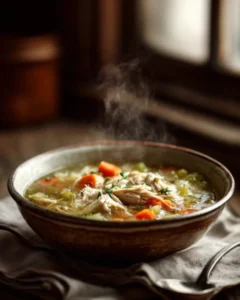
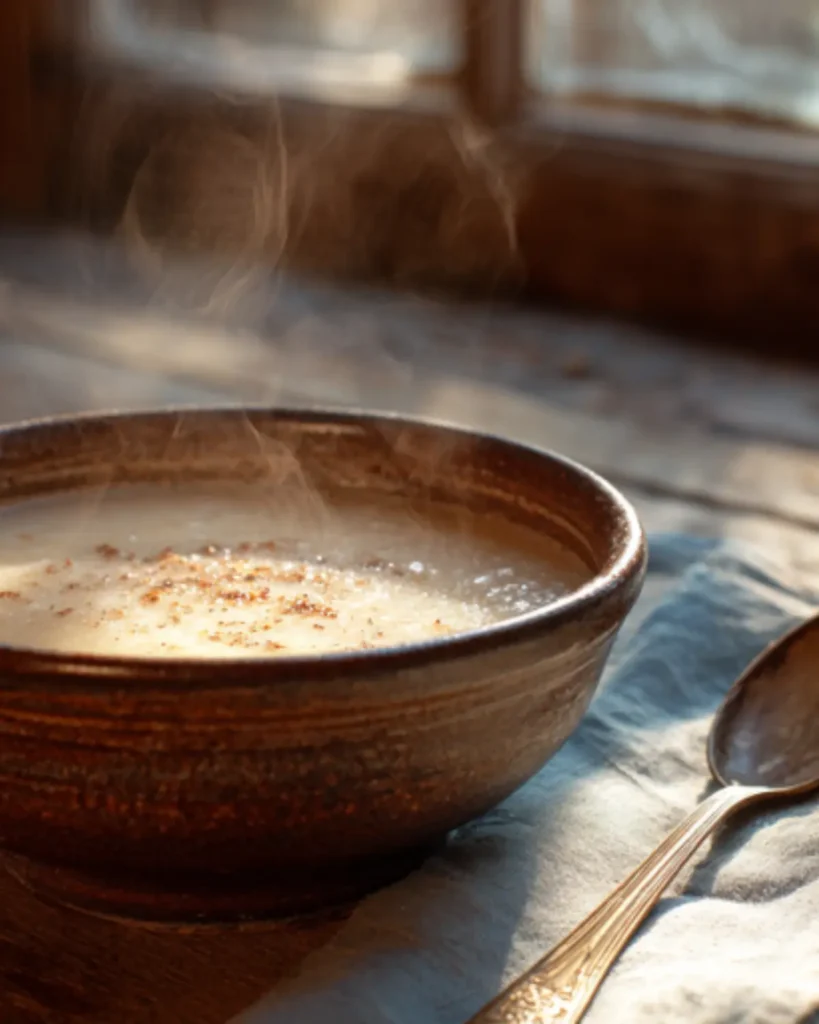
Old-Fashioned Potato Soup: Creamy, Cozy, and Comforting
There’s just something about an old-fashioned potato soup that wraps you up in warmth—like your favorite sweater or a handwritten note from Grandma. This article dives deep into how to make it, why it remains timeless, and how to tweak it for any table.
A Memory in Every Spoonful of Old-Fashioned Potato Soup
Hi, I’m Ethan—the cook, creator, and voice behind this cozy corner of the web! My love for old-fashioned potato soup goes back to chilly weekends in my childhood home, where the scent of onions sautéing in butter meant one thing—comfort was on the way.
I remember watching my mom peel potatoes while humming her favorite tune, the kitchen windows fogged up from the bubbling broth. That pot of potato soup, creamy and loaded with soft carrots, was more than food. It was a promise. A hug. A way to bring the whole family together around one table. And today, it’s still that for me—and now, for you too.
This old-fashioned potato soup recipe uses basic pantry staples—onions, potatoes, carrots, milk, and a few dried herbs. It’s humble, yes, but it doesn’t skimp on heart. You don’t need fancy ingredients to make something incredible. All it takes is care, timing, and a few tricks I’ve learned along the way.
I’ll walk you through the steps to recreate this creamy, hearty classic in your kitchen, plus share tips for making it gluten-free, dairy-free, or even stretching it for a crowd. It’s the kind of dish that fits right in whether you’re serving it with warm bread or pairing it with a crisp salad like this broccoli cheddar soup or simple butternut squash soup for a comforting soup spread.
Let’s bring that warmth into your home, one ladle at a time.
Why This Classic Soup Never Goes Out of Style
The secret behind the staying power of old-fashioned potato soup lies in its versatility and its simplicity. This isn’t a “trendy” recipe—it’s a timeless one. And while regional styles like New England potato soup or Southern potato soup add their own flair, the core remains the same: a creamy base, tender veggies, and seasoning that soothes the soul.
Whether you’re cooking for a quiet night in or feeding a big group, this potato soup adapts beautifully. It’s easy to scale up, can be made ahead, and stores well in the fridge. Add bacon, swap in sweet potatoes, go vegan with plant-based milk—it’s yours to play with.
In the next section, we’ll dive into the ingredients and the exact steps to make it foolproof. So pull out your stockpot and let’s get going.
Ingredients & Techniques
Core Ingredients in Old-Fashioned Potato Soup Recipes
When you’re aiming for the rich, creamy texture that defines old-fashioned potato soup, it all starts with the right ingredients. This isn’t the time to overcomplicate things. Simple, affordable pantry staples work best—and they’ve stood the test of time for a reason.
Here’s what you’ll need for the base:
- Potatoes: Choose starchy varieties like Russets for a softer texture, or Yukon Golds for a naturally buttery flavor.
- Carrots and Onions: These two bring sweetness and depth to balance the creaminess.
- Butter and Flour: This duo creates a quick roux, which thickens the soup without overpowering it.
- Milk: Whole milk works beautifully, but you can sub in evaporated milk or cream if you want it richer—or opt for oat or almond milk if you’re adapting it into a potato soup without milk.
- Chicken bouillon + water: A handy shortcut for building a savory base. You can also use chicken or veggie stock directly.
Seasonings that matter:
- A sprinkle of thyme adds a subtle herbal note.
- Dried parsley brightens everything.
- Don’t forget a pinch of ground black pepper—freshly cracked is best.
You’ll notice that this recipe skips any unnecessary thickeners or cheese overloads. This isn’t the creamy canned potato soup kind—it’s more rustic, more balanced, and totally real.
Want to go gluten-free? Sub the all-purpose flour with a 1:1 GF flour mix like in this gluten-free potato soup—the texture stays just as silky.
Step-by-Step: Making the Creamiest Potato Soup
Let’s break down the cooking process into steps you can follow without second-guessing. Here’s how I make it, every single time.
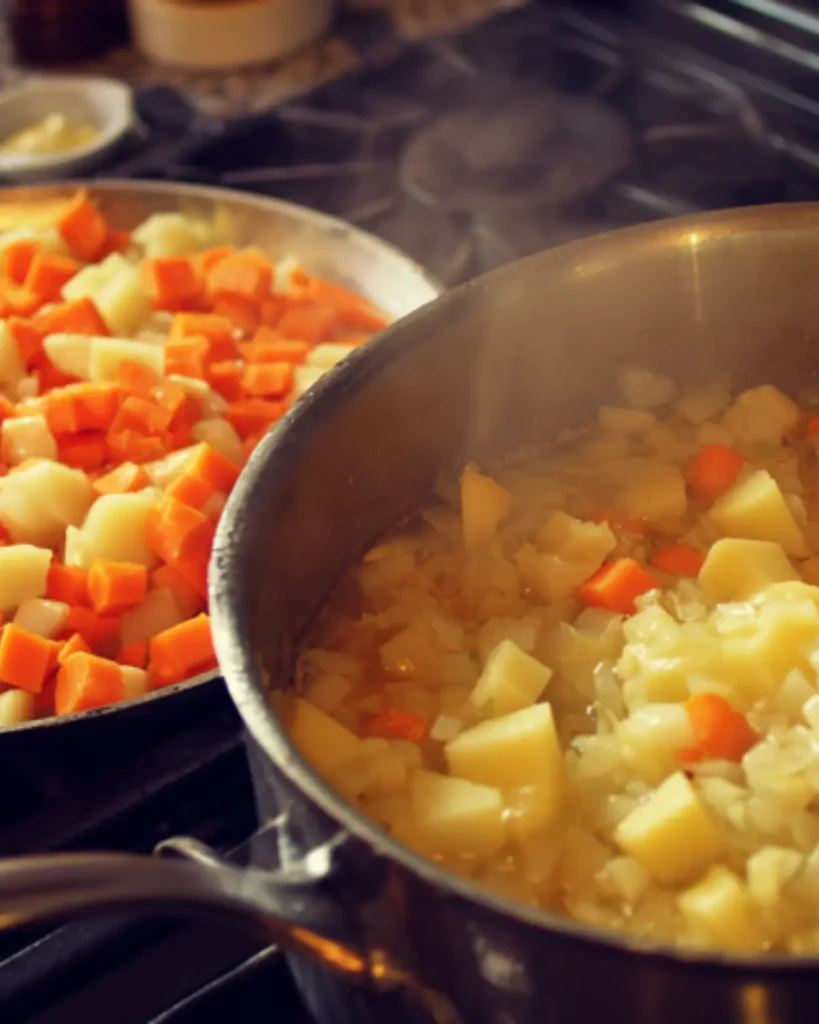
- Sauté the onion in butter until soft and translucent. This is where the flavor starts—don’t rush it.
- Boil potatoes and carrots in water with bouillon. About 10 minutes should do it. Don’t overcook, or they’ll get mushy when combined.
- Make a roux by adding flour to the butter-onion mix. Stir for a couple of minutes to cook off the flour taste.
- Add milk slowly, stirring constantly to keep it lump-free. This builds your creamy base.
- Combine everything by folding in the potato-carrot mixture. Stir gently so the veggies don’t break apart.
- Finish with parsley and thyme. Taste and adjust seasoning as needed.
| Step | Action |
|---|---|
| 1 | Sauté onions in butter until soft |
| 2 | Boil potatoes and carrots in bouillon water |
| 3 | Create a roux with flour and butter-onion mix |
| 4 | Gradually stir in milk |
| 5 | Combine with veggie mixture and season |
This method makes the soup thick enough to be satisfying, but not gluey or heavy. And unlike some versions you’ll find in mass-produced canned potato soup, this one gives you real texture and rich flavor with every bite.
Craving more soup ideas? Pair this with air fryer baked potatoes or prep it as part of a cozy meal lineup.
Old-Fashioned Potato Soup
How to Make It Gluten-Free, Dairy-Free, or for a Large Crowd
One of the most beautiful things about old-fashioned potato soup is how easy it is to customize. Whether you’re cooking for dietary restrictions or hosting a family gathering, this recipe bends without breaking.
Going Gluten-Free:
To make your potato soup gluten-free, simply swap the all-purpose flour in the roux with a 1:1 gluten-free flour blend. It thickens the same way and keeps that smooth, creamy consistency. Alternatively, you can mash a portion of the cooked potatoes to naturally thicken the soup—a trick I picked up from this vegan mashed potatoes recipe. It’s a naturally gluten-free option with full-bodied texture.
Making It Dairy-Free:
Prefer to skip the milk? No problem. Use unsweetened almond milk, oat milk, or even canned coconut milk. Just note that some dairy-free options may be thinner, so adjust the quantity to maintain a rich texture. Olive oil can also replace butter—just use a mild one to avoid overpowering the flavor.
Scaling for a Crowd:
If you’re serving potato soup for a large crowd, increase each ingredient proportionally. This soup holds up well in large batches, especially when kept warm in a slow cooker. Just make sure to stir occasionally to prevent the milk from scorching. It pairs beautifully with hearty sides like whole roasted cauliflower or a crusty loaf of bread.
Toppings, Add-Ins, and What to Serve With Potato Soup
Even though old-fashioned potato soup shines on its own, adding a few extras can elevate it to the next level.
Topping Ideas:
- Crumbled bacon for a smoky finish
- Shredded cheddar or smoked gouda for extra richness
- Fresh chives or green onions for a pop of color and freshness
- A dollop of sour cream or Greek yogurt to add tang
- Crushed crackers or homemade croutons for crunch
Add-In Options:
Try stirring in leftover ham, corn, or green beans if you want to bulk it up. Just like the Southern Living potato soup varieties, these add-ins keep things hearty and satisfying.
What to Serve With It:
While this soup easily stands on its own, it’s also a great match with a light salad, roasted vegetables, or even a sandwich. On cooler nights, I love pairing it with a bowl of vegan pumpkin wild rice soup for a cozy soup duo.
The key is to build a meal around comfort—and maybe even nostalgia. Serve it in deep bowls, top it generously, and always offer seconds.
Southern vs. New England Potato Soup
Across regions, old-fashioned potato soup takes on distinct personalities—but the love behind it remains the same. Two of the most beloved variations are Southern and New England potato soup styles, and each brings something comforting to the table.
Southern Potato Soup:
In the South, simplicity reigns. Southern potato soup is often made with just a few key ingredients: butter, milk, onions, and of course, potatoes. It’s usually chunkier, with a thinner broth that’s loaded with pepper and sometimes topped with scallions or crumbled bacon. This style is deeply rooted in resourceful home cooking—stretching humble ingredients into something hearty and satisfying.
Many Southern families even consider it a healing soup, perfect for chilly evenings or when someone’s under the weather. If you enjoy recipes like this Southern-style vegetable soup, you’ll love how down-to-earth and rustic Southern potato soup tastes.
New England Potato Soup:
Now cross into New England, and you’ll find a creamier, thicker version—often enriched with heavy cream, bacon, or even salt pork. This version leans more toward chowder territory, and it’s often enjoyed with oyster crackers or crusty bread. It shares flavor DNA with clam chowder but swaps out seafood for comforting spuds.
The addition of cream, butter, and sometimes cheese gives it a richness that makes it feel almost indulgent. If you like luxurious textures, this version may become your new go-to. Try pairing it with simple butternut squash soup for a fall-inspired duo that feels straight from a cozy coastal café.
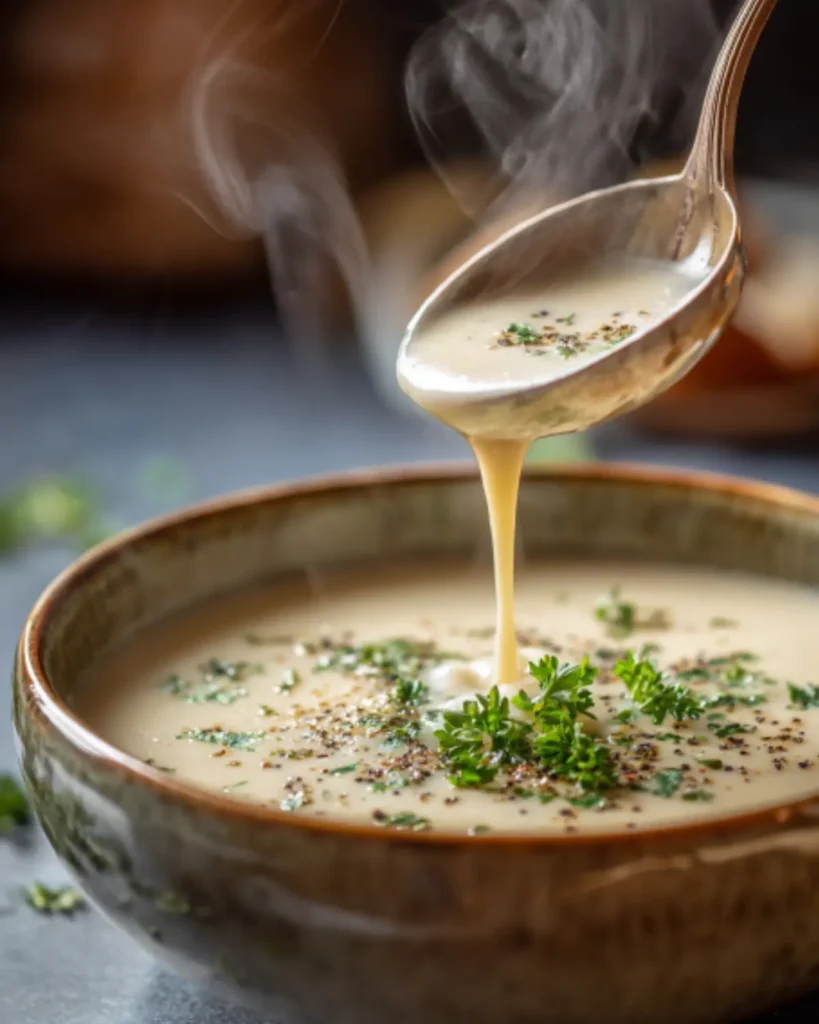
From Grandma’s Stove to Modern Tables
No matter how you serve it—Southern, New England, vegan, or gluten-free—old-fashioned potato soup carries a sense of heritage. It’s a dish that doesn’t just feed your body—it feeds your memories. It reminds us of chilly nights, candlelit kitchens, and stories shared over steaming bowls.
Today’s modern kitchens may have air fryers and immersion blenders, but the heart of this soup hasn’t changed. It’s still about taking a few simple ingredients and turning them into something beautiful. Whether you’re discovering this soup for the first time or returning to it as a childhood favorite, it deserves a spot in your regular rotation.
If you want more cozy classics, explore recipes like broccoli cheddar soup or air fryer baked potatoes to build a full comfort-food meal.
FAQs About Old-Fashioned Potato Soup
What makes potato soup “old-fashioned”?
Old-fashioned potato soup is defined by its simplicity and use of wholesome, traditional ingredients. There are no shortcuts, artificial thickeners, or processed additions—just potatoes, milk, butter, onions, and a few pantry seasonings. It’s a recipe passed down through generations, focusing on real flavor and comfort, not trends or fancy flair.
Can I make old-fashioned potato soup gluten-free?
Yes, absolutely. To make this soup gluten-free, replace the all-purpose flour with a 1:1 gluten-free blend, or skip the flour entirely and mash a portion of the potatoes to naturally thicken the soup. This approach works beautifully and is used in recipes like our gluten-free potato soup.
What’s the best way to thicken potato soup naturally?
The easiest natural thickener is the potatoes themselves. Use a potato masher or immersion blender to mash about 1/3 of the cooked potatoes before adding milk. This creates a creamy, thick base without needing flour or starch. It’s the same technique used in many traditional and vegan soup recipes.
How long does homemade potato soup last in the fridge?
Homemade potato soup can be stored in the fridge for 3 to 4 days in an airtight container. Make sure it cools fully before storing. Reheat gently on the stove, adding a splash of milk if it thickens too much during storage.
Conclusion: Warm Memories in Every Bowl
There’s a reason old-fashioned potato soup has stood the test of time. It’s affordable, flexible, nourishing, and—most of all—filled with the kind of flavor that wraps you up from the inside out. Whether you’re new to cooking or just looking for a cozy classic, this soup has you covered.
So next time you’re craving comfort in a bowl, let this be your go-to. Keep it classic, customize it for your family, and don’t forget to pair it with something warm and homemade—like your favorite bread or even these air fryer baked potatoes. Happy cooking!
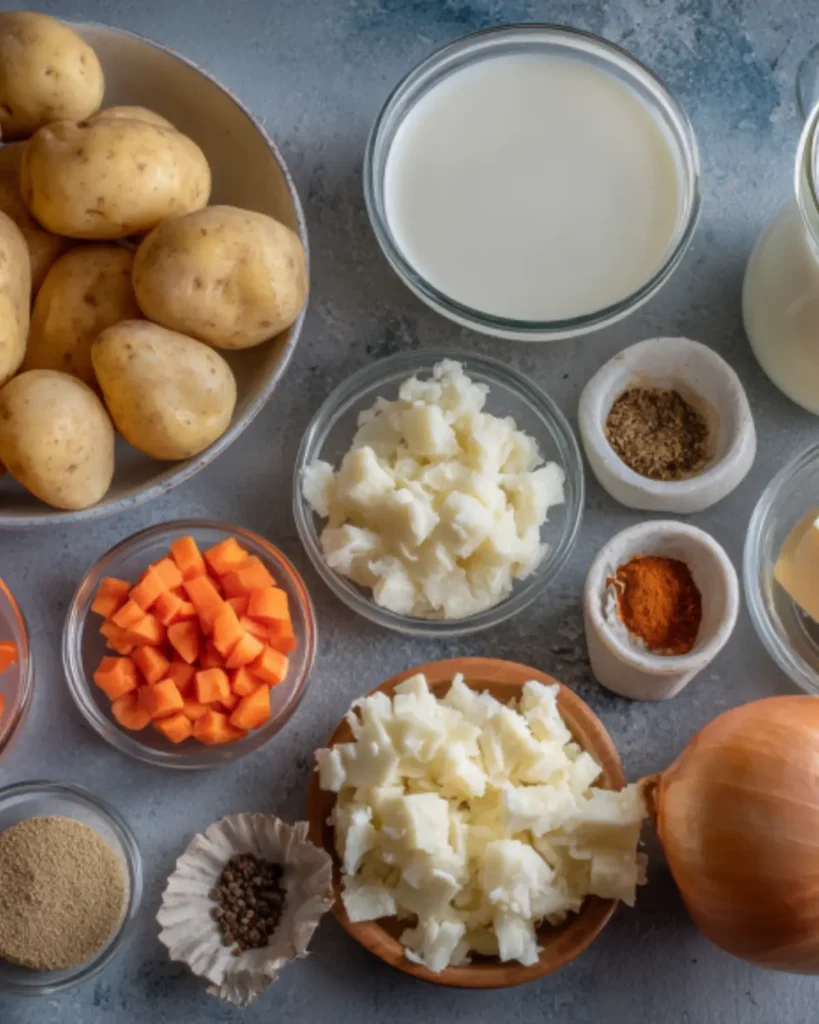

Old-Fashioned Potato Soup: 1 Irresistible Classic Recipe
- Total Time: 40 minutes
- Yield: 6 servings 1x
- Diet: Vegetarian
Description
A creamy and cozy old-fashioned potato soup made with tender potatoes, carrots, milk, and herbs. The perfect comfort food for chilly days.
Ingredients
¼ cup butter
1 large onion, chopped
6 potatoes, peeled and diced
2 carrots, diced
3 cups water
2 tablespoons chicken bouillon powder
ground black pepper to taste
3 tablespoons all-purpose flour
3 cups milk
1 tablespoon dried parsley
¼ teaspoon dried thyme
Instructions
1. Melt butter in a saucepan over medium heat. Stir in onion; cook until translucent, about 5 minutes.
2. Meanwhile, bring potatoes, carrots, water, and bouillon to a boil in another pot. Simmer until tender, about 10 minutes.
3. Add flour to onions to form a paste; cook 2 minutes.
4. Slowly stir in milk. Heat gently, stirring constantly until smooth.
5. Combine with potato mixture. Stir in parsley and thyme. Heat through and serve hot.
Notes
Substitute all-purpose flour with GF flour for a gluten-free version.
Use almond or oat milk to make it dairy-free.
Store leftovers in the fridge for up to 4 days.
Serve with crusty bread or salad.
- Prep Time: 10 minutes
- Cook Time: 30 minutes
- Category: Soups
- Method: Stovetop
- Cuisine: American
Nutrition
- Serving Size: 1 cup
- Calories: 220
- Sugar: 6g
- Sodium: 570mg
- Fat: 9g
- Saturated Fat: 5g
- Unsaturated Fat: 3g
- Trans Fat: 0g
- Carbohydrates: 29g
- Fiber: 3g
- Protein: 5g
- Cholesterol: 20mg