Prime Meats: What Prime Means When Buying Meat
Prime meats can sound fancy, expensive, and a little confusing when you’re standing at the butcher counter. However, once you understand what “prime” actually means, the label becomes much easier to use. In simple terms, prime usually points to higher marbling, richer flavor, and a more tender eating experience, especially with beef. Still, not every dinner needs the most expensive cut. Therefore, this guide breaks down prime meats in plain English so you can shop smarter, cook better, and avoid paying extra when another grade or cut makes more sense.
What Are Prime Meats?
Prime meats are cuts that meet a higher quality standard, most commonly associated with USDA Prime beef in the United States. The biggest difference usually comes down to marbling, which means the thin white streaks of fat inside the muscle. That marbling melts as the meat cooks, so it can create a juicier texture and a deeper, beefier flavor.
However, “prime” does not mean every cut will automatically taste amazing. The grade tells you about quality traits, but the cut, cooking method, freshness, thickness, and handling still matter. For example, a Prime ribeye can shine with a simple sear, while a lean Prime sirloin still needs careful cooking to stay tender.
If your site has a meat-buying hub, add a contextual link here to your “Best Meats” guide. Your strategy file identifies “Prime Meats: What Prime Means at the Butcher Counter” as part of a meat-buying guide silo, and it also recommends caution with meat and health claims.
Prime vs. Choice vs. Select
The easiest way to understand prime meats is to compare them with the grades shoppers see most often.
| Grade | What It Usually Means | Best Use |
|---|---|---|
| Prime | Most marbling, rich flavor, tender texture | Steaks, roasts, special dinners |
| Choice | Good marbling, reliable quality, better value | Weeknight steaks, grilling, roasting |
| Select | Leaner, less marbling, can dry out faster | Marinades, braises, thin cuts |
Because Prime costs more, it works best when the meat itself is the star. So, choose Prime for ribeye, strip steak, tenderloin, prime rib, and special-occasion roasts. Meanwhile, Choice often gives you the best balance of flavor and price for everyday cooking.
How to Buy Prime Meats Without Overpaying
First, look beyond the label. Check the color, marbling, thickness, and cut. A good steak should look fresh, not dull or dry. Also, choose even thickness because it cooks more evenly.
Next, match the grade to the cooking method. Prime meats make the most sense for dry-heat cooking, such as grilling, pan-searing, broiling, and roasting. Since these methods highlight tenderness and fat, Prime can truly stand out. However, for slow-cooked stews, pot roast, chili, or shredded beef, you can often save money with a flavorful Choice cut.
Also, ask the butcher simple questions: “Is this USDA Prime?” “How thick is it?” “Is this better for grilling or braising?” A good butcher can help you avoid buying an expensive cut for the wrong recipe.
Best Prime Cuts to Choose
If you want the full prime meats experience, start with cuts that benefit from marbling.
Ribeye is the classic choice because it has generous fat, strong flavor, and a juicy bite. New York strip offers a firmer texture with a balanced beef flavor. Tenderloin tastes milder, yet it feels incredibly tender. Prime rib works beautifully for holidays because it delivers dramatic presentation and rich flavor. Brisket can also benefit from quality, although cooking skill matters more because it needs low, slow heat.
However, leaner cuts need more care. Even Prime sirloin, filet, or round can turn dry if you overcook it. Therefore, use a thermometer and pull the meat before it passes your preferred doneness.
How to Cook Prime Meats
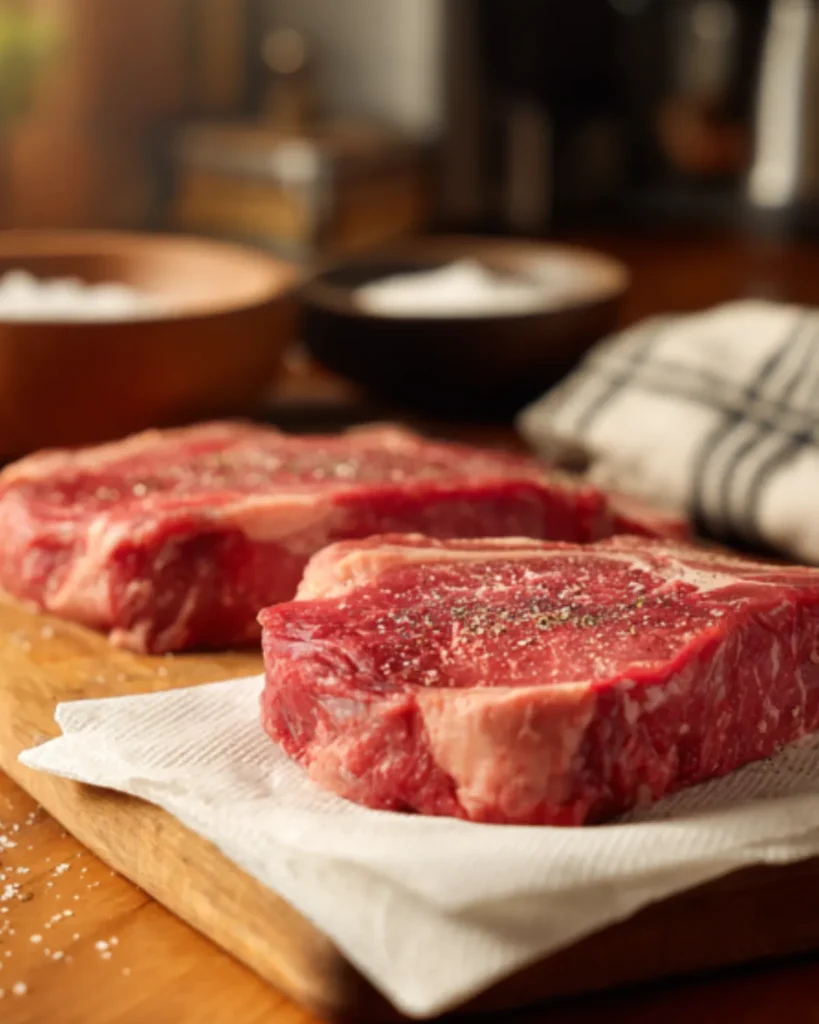
Keep the seasoning simple. Salt, pepper, garlic, and a little oil usually do enough. Since prime meats already bring richness, heavy marinades can hide the flavor you paid for.
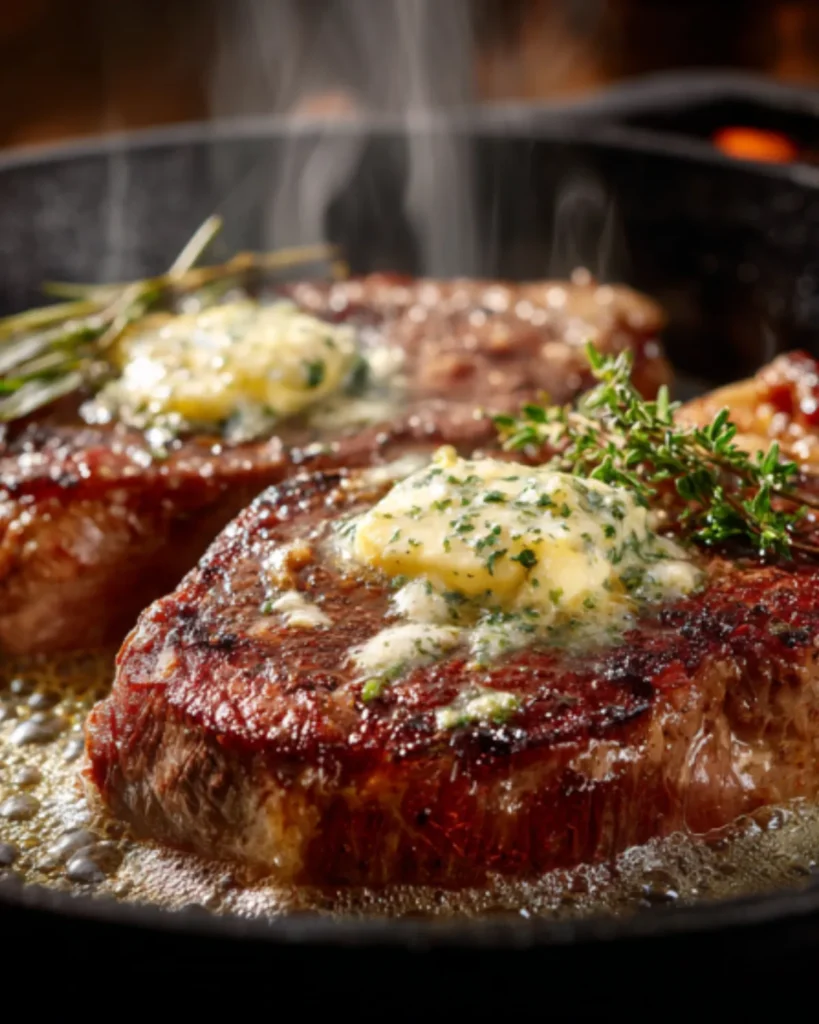
For steaks, let the meat sit at room temperature briefly, pat it dry, season it well, and sear it over high heat. Then, rest it before slicing. For roasts, season early, roast gently, and finish with high heat if you want a browned crust.
Most importantly, do not guess doneness. Use a meat thermometer. Prime meats cost more, so a thermometer protects your investment.
Are Prime Meats Always Worth It?
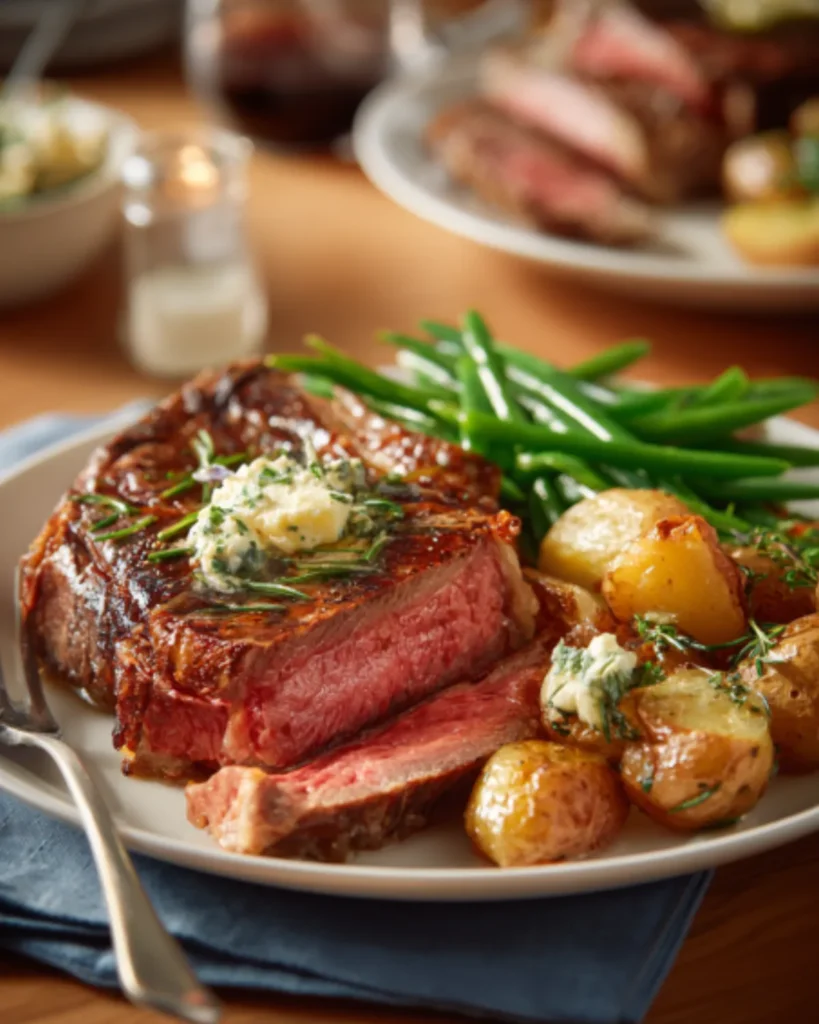
Prime meats are worth it when you want tenderness, rich flavor, and a special meal. They make sense for celebrations, steakhouse-style dinners, holiday roasts, and simple recipes where the meat carries the dish.
However, they are not always necessary. Choice beef can taste excellent, especially when you choose the right cut and cook it well. Additionally, marinades, slow cooking, slicing against the grain, and proper resting can improve less expensive cuts.
So, buy Prime when quality matters most. Choose Choice when value matters more. Use Select carefully with moisture-focused methods.
FAQ
What does prime mean in meat?
Prime usually means the meat meets a high quality grade, especially for beef. It often has more marbling, which can make it more tender, juicy, and flavorful.
Is Prime better than Choice?
Prime usually has more marbling than Choice, so it often tastes richer and feels more tender. However, Choice can still be excellent and often costs less.
Are prime meats only beef?
The term “Prime” most commonly appears with USDA beef grading. Other meats may use the word “prime” in marketing, so check the label or ask the butcher what it means.
Should I buy Prime steak?
Buy Prime steak when you want a special meal and plan to cook it simply. For everyday dinners, a well-chosen Choice steak may give you better value.
Conclusion
Prime meats help shoppers spot cuts with higher marbling, richer flavor, and strong tenderness potential. Still, the label only tells part of the story. The best choice depends on your budget, the cut, and the way you plan to cook it. Therefore, use Prime for steaks and roasts where quality shines, but do not overlook Choice for everyday meals. Once you understand the grade, you can buy with confidence instead of guessing at the meat counter.
Prime Meats Guide: 7 Helpful Buying Tips
- Total Time: 20 minutes
- Yield: 2 servings 1x
- Diet: Gluten Free
Description
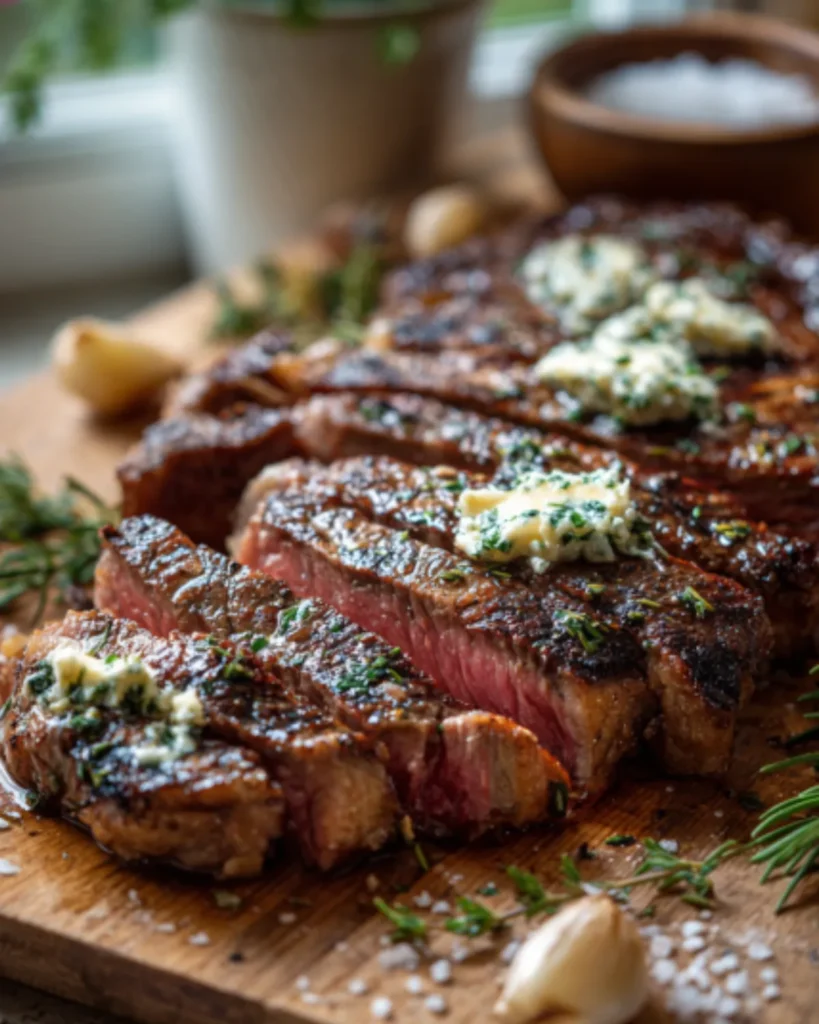
Prime ribeye steak with garlic herb butter is a simple, steakhouse-style recipe that highlights the rich flavor and tenderness of prime meats. This recipe uses a hot skillet, simple seasoning, and a quick butter baste to create a juicy steak with a golden crust. It works well for a special dinner, date night, holiday meal, or any time you want to understand why prime meats stand out at the butcher counter.
Ingredients
2 prime ribeye steaks, 1 to 1 1/2 inches thick
2 teaspoons kosher salt
1 teaspoon freshly ground black pepper
1 tablespoon avocado oil or other high-heat cooking oil
3 tablespoons unsalted butter
3 garlic cloves, lightly smashed
2 fresh rosemary sprigs
2 fresh thyme sprigs
1 teaspoon flaky sea salt, for finishing
Optional: lemon wedges for serving
Instructions
1. Remove the prime ribeye steaks from the refrigerator 30 minutes before cooking. Pat them dry with paper towels.
2. Season both sides of each steak with kosher salt and black pepper.
3. Heat a heavy cast-iron skillet over medium-high heat until very hot.
4. Add the oil, then carefully place the steaks in the skillet. Sear for 3 to 4 minutes without moving them.
5. Flip the steaks and sear the second side for 2 to 3 minutes.
6. Reduce the heat to medium. Add butter, garlic, rosemary, and thyme to the skillet.
7. Tilt the pan slightly and spoon the melted garlic herb butter over the steaks for 1 to 2 minutes.
8. Check the internal temperature with a meat thermometer. Remove at 125°F for medium-rare or 135°F for medium.
9. Transfer the steaks to a cutting board and rest for 5 to 10 minutes.
10. Slice against the grain, sprinkle with flaky sea salt, and serve warm with the pan butter.
Notes
Use USDA Prime ribeye if available for the richest marbling and flavor.
Choice ribeye also works well if you want a more budget-friendly option.
Do not overcrowd the skillet. Cook one steak at a time if your pan feels small.
Always rest steak before slicing so the juices settle.
For best results, use a meat thermometer instead of guessing doneness.
- Prep Time: 10 minutes
- Cook Time: 10 minutes
- Category: Dinner
- Method: Pan-Seared
- Cuisine: American
Nutrition
- Serving Size: 1 steak
- Calories: 720
- Sugar: 0g
- Sodium: 820mg
- Fat: 58g
- Saturated Fat: 24g
- Unsaturated Fat: 30g
- Trans Fat: 0g
- Carbohydrates: 1g
- Fiber: 0g
- Protein: 48g
- Cholesterol: 185mg