
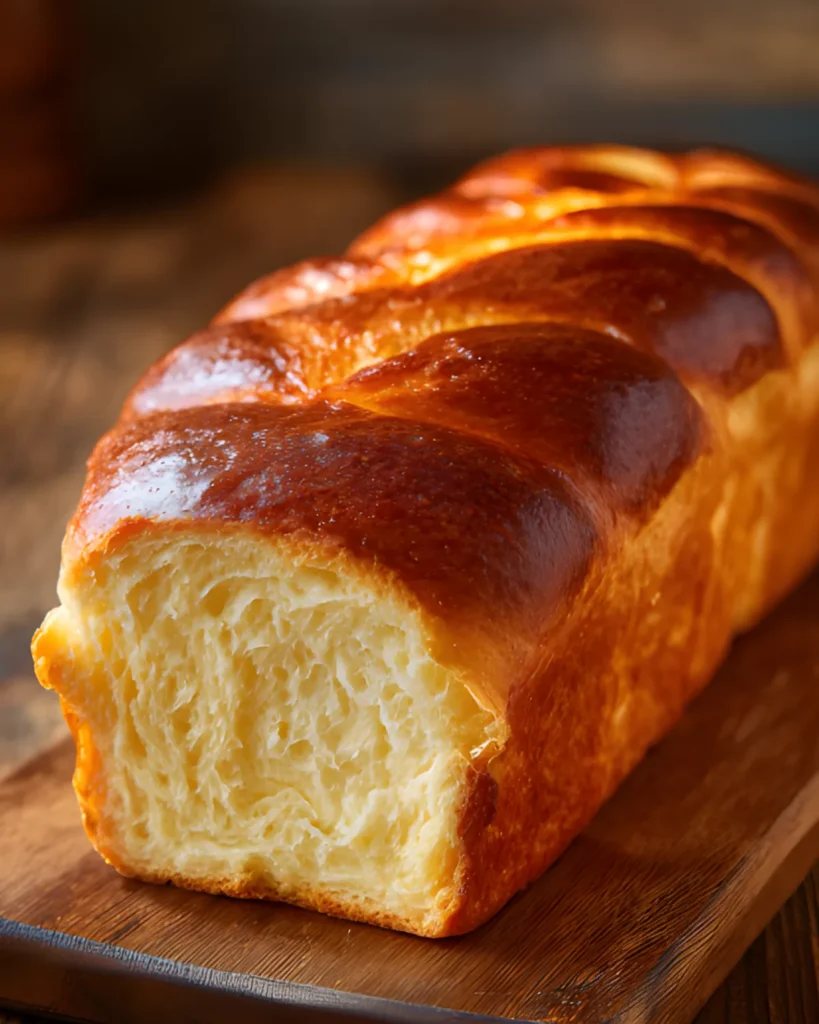
French Brioche Bread Recipe From Scratch (The Story & Basics)
The Story Behind My Homemade Brioche Bread
Hi, I’m Ethan—the cook, creator, and voice behind this cozy kitchen space. The first time I made a French brioche bread recipe from scratch, I remember standing in my small kitchen early in the morning, watching the dough slowly rise. The smell alone felt magical. It reminded me how simple ingredients can turn into something unforgettable.
Back then, I struggled to get the texture right. Sometimes it turned dense, while other times it lacked that rich buttery flavor. However, after testing different techniques, I finally found a method that delivers soft, fluffy brioche every time. Now, baking brioche has become one of my favorite weekend traditions.
If you enjoy homemade baking, you might also love this comforting guide on homemade-bread-recipes which shares more simple bread ideas for everyday cooking. Every loaf tells a story, and brioche always stands out because of its rich texture and slightly sweet taste.
Why This French Brioche Bread Recipe Works Perfectly
This French brioche bread recipe from scratch stands out because it balances technique and simplicity. First, it uses a slow fermentation process, which improves both flavor and texture. Then, the chilled butter blends perfectly into the dough, creating that signature soft crumb.
Unlike many complicated recipes, this one keeps things approachable. You don’t need advanced baking skills. Instead, you follow a few essential steps carefully. For example, letting the dough rest in the fridge helps develop structure while keeping it airy.
Additionally, using the right ingredients plays a huge role. High-quality butter and fresh yeast make a noticeable difference. If you’re exploring more baking inspiration, check out easy-baking-recipes for simple and reliable ideas that complement this brioche loaf.
To make things clearer, here’s a quick breakdown:
| Feature | Benefit |
|---|---|
| Slow fermentation | Enhances flavor and softness |
| Cold butter incorporation | Creates rich, tender texture |
| Proper proofing | Ensures light and fluffy crumb |
As you continue, you’ll see how each step builds toward the perfect loaf. Up next, we’ll dive into the ingredients and how to prepare your brioche dough the right way.
Easy Brioche Bread Ingredients & Dough Preparation
Essential Ingredients for Brioche Bread Recipe
To make a perfect French brioche bread recipe from scratch, you need simple ingredients, but each one plays a key role. When you choose high-quality ingredients, you immediately improve both flavor and texture. That’s why I always recommend sticking to fresh yeast, good butter, and proper flour.
Here’s what you’ll need:
| Ingredient | Purpose |
|---|---|
| Yeast | Helps the dough rise and creates softness |
| Milk | Adds moisture and richness |
| Eggs | Provide structure and a soft crumb |
| Butter | Creates that signature rich flavor |
| Flour | Builds the dough structure |
Because brioche relies heavily on butter, the dough feels softer than typical bread dough. However, that softness leads to the airy texture you want. If you enjoy working with enriched doughs, you can also explore similar ideas in baking-basics-guide to strengthen your baking skills.
How to Prepare Soft and Fluffy Brioche Dough
Now let’s walk through how to prepare the dough for this easy French brioche. Each step matters, so follow closely for the best results.
First, mix the yeast, lukewarm milk, and sugar. Let it sit for five minutes until it becomes foamy. This step activates the yeast and ensures your dough rises properly. Then, add the eggs and mix well. At this stage, the mixture looks smooth and slightly thick.
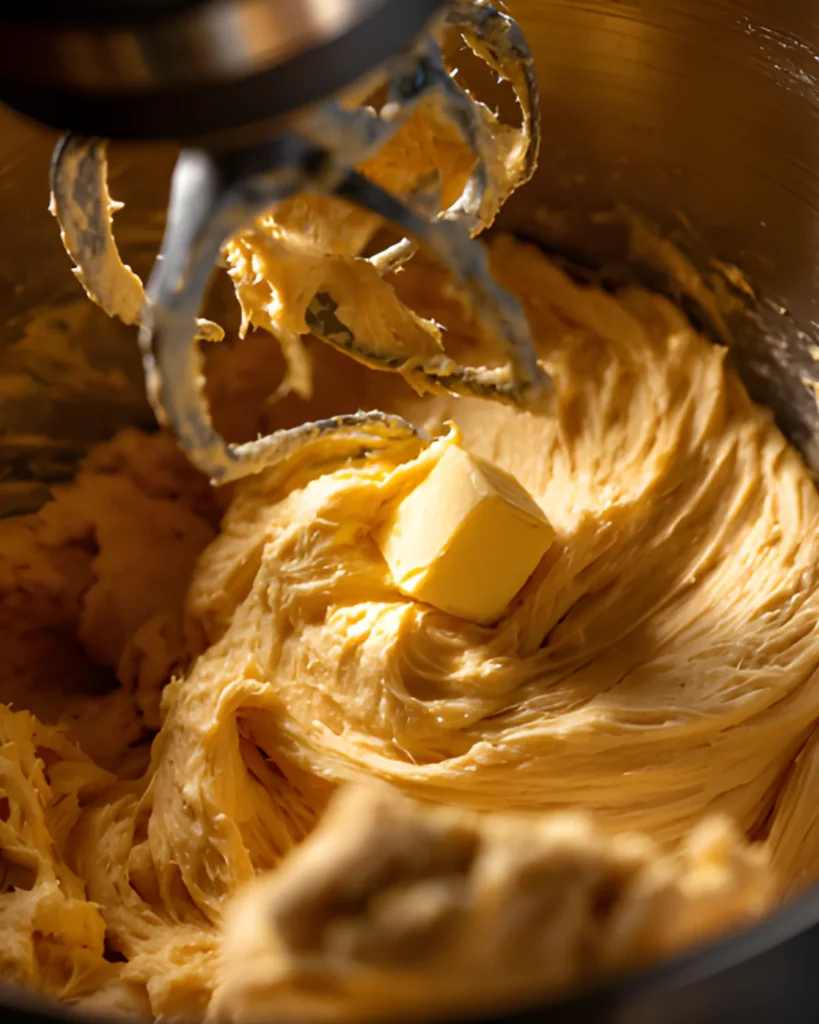
Next, combine the mixture with flour and salt in a stand mixer. Knead on low speed for five minutes. The dough will feel sticky, but that’s completely normal. After that, gradually add chilled butter pieces while kneading. Continue for about 15 minutes until the dough becomes smooth and elastic.
Because this is a brioche bread recipe from scratch, patience is key. The longer kneading time helps develop gluten, which gives the bread structure. Then, transfer the dough into a greased bowl and cover it.
Let it rise at room temperature for one hour. Afterward, refrigerate it for at least four hours or overnight. This step improves flavor and makes shaping easier.
If you enjoy homemade dough recipes, you might also like homemade-dough-recipes where you can find more creative baking ideas.
By following these steps carefully, you set the foundation for a light, buttery, and perfectly soft brioche loaf. Up next, we’ll shape, proof, and bake your brioche to golden perfection.
How to Shape, Proof, and Bake Brioche Loaf
Shaping the Perfect Brioche Loaf at Home
Once your dough has rested, it’s time to shape your French brioche bread recipe from scratch into that classic soft loaf. This step might seem tricky at first, but with a little care, you’ll get beautiful results.
Start by removing the dough from the fridge and placing it on a lightly floured surface. Because the dough is chilled, it will feel easier to handle. Then, divide it into five equal pieces. This helps create that signature pull-apart texture in your brioche loaf.
Next, shape each piece into a log. First, gently press the dough down using the palm of your hand. Then, stretch it into a rectangle and roll it tightly. This technique builds structure while keeping the dough airy.
Place the shaped logs side by side into a greased or parchment-lined loaf pan. Make sure they fit snugly, as this helps the loaf rise evenly. Cover the pan with a damp towel and let it proof at room temperature for about 1.5 to 2 hours.
During this stage, the dough will double in size. That rise creates the soft and fluffy texture you expect from a brioche loaf recipe easy enough for home bakers. If you enjoy learning shaping techniques, you can explore more ideas at bread-shaping-techniques to improve your skills.
Baking Tips for Golden, Buttery Brioche Bread
Now comes the most rewarding part—baking your easy French brioche to perfection. Before baking, preheat your oven to 395°F (200°C). A properly heated oven ensures even cooking and a beautiful golden crust.
Brush the top of the dough with a beaten egg. This egg wash gives your brioche its glossy, bakery-style finish. Then, place the loaf in the center of the oven and bake for 30 to 35 minutes.
While baking, the aroma fills your kitchen with a rich, buttery scent. You’ll notice the top turning golden brown, which signals that your homemade brioche bread loaf is nearly ready. However, avoid opening the oven too often, as that can affect the rise.
Once baked, remove the brioche from the pan and let it cool on a rack. Cooling allows the structure to set properly, making slicing easier. If you cut it too soon, the inside may feel too soft.
For more baking inspiration, check out classic-french-recipes where you can discover more traditional recipes that pair beautifully with brioche.
By following these steps, you’ll achieve a soft, rich, and perfectly baked brioche every time. Up next, we’ll explore how to serve, store, and get the best results from your homemade brioche bread.
Serving, Storage, and Brioche Baking Tips
Best Ways to Serve Homemade Brioche Bread
After baking your French brioche bread recipe from scratch, the best part is finally enjoying it. The soft, buttery texture makes it incredibly versatile, so you can serve it in many delicious ways.
First, slice the brioche once it has completely cooled. This step keeps the texture intact and prevents it from becoming gummy. Then, enjoy it plain to fully appreciate its rich flavor. However, you can easily elevate it with simple toppings.
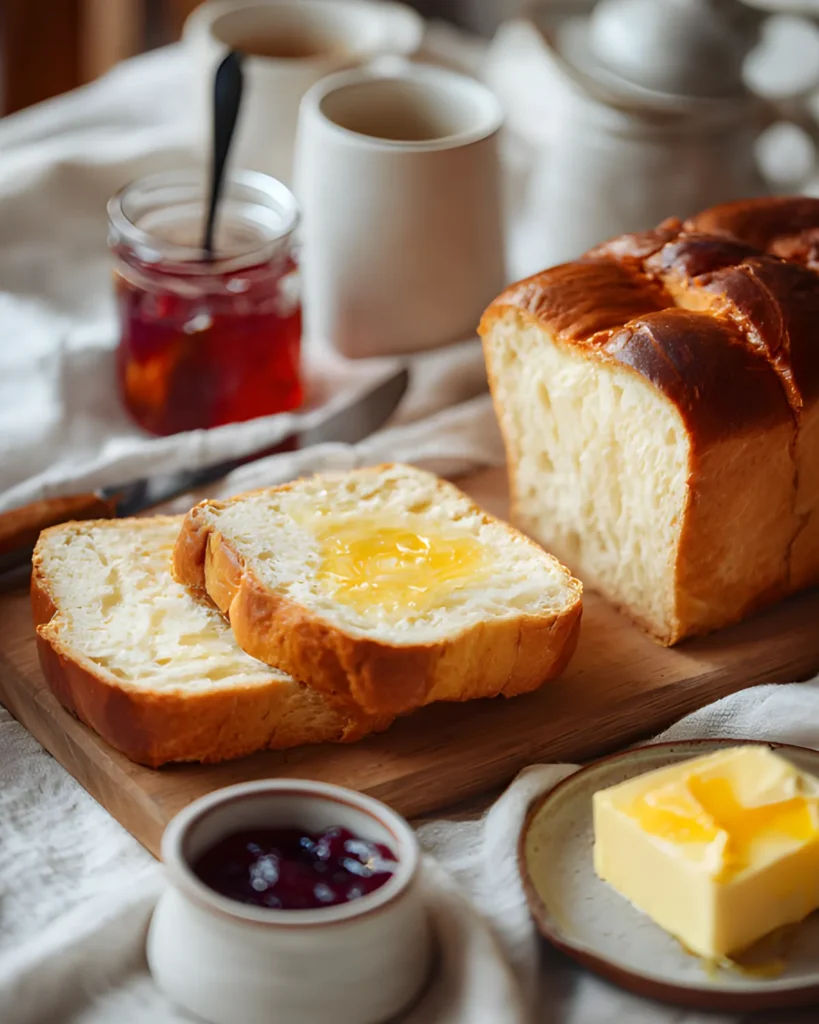
For breakfast, toast a slice and spread butter or jam. The slightly crisp edges combined with the soft interior create a perfect bite. You can also turn it into French toast, which enhances the richness even more. Because brioche already contains butter and eggs, it delivers a naturally indulgent result.
If you prefer savory options, use your homemade brioche bread loaf for sandwiches or sliders. Its soft texture pairs perfectly with both sweet and savory fillings. For more creative serving ideas, check out breakfast-recipes-easy to explore combinations that work beautifully with brioche.
Storage Tips and Common Brioche Mistakes
To keep your easy French brioche fresh, proper storage matters. Always store it in an airtight container at room temperature for up to three days. If you need to keep it longer, slice the bread and freeze it. Then, toast slices directly from frozen whenever you want.
Additionally, avoid refrigerating brioche. Cold temperatures dry it out quickly and reduce its soft texture. Instead, keep it sealed and away from air exposure.
Now let’s look at common mistakes to avoid when making a brioche bread recipe from scratch:
| Mistake | Solution |
|---|---|
| Skipping refrigeration | Always chill dough for better texture |
| Adding butter too quickly | Incorporate slowly while kneading |
| Underproofing dough | Allow enough time to rise fully |
| Cutting too early | Let bread cool completely |
If you want to expand your baking skills further, explore baking-tips-for-beginners where you’ll find practical advice to improve every recipe you try.
FAQ Section
What makes brioche different from regular bread?
Brioche uses butter, eggs, and milk, which give it a rich, soft, and slightly sweet texture. Regular bread usually contains fewer enriching ingredients.
Why is my brioche dough so sticky?
A sticky dough is normal for a brioche bread recipe from scratch. The high butter content creates softness. Proper kneading will help develop structure.
Can I make brioche without a stand mixer?
Yes, but it requires more effort. You need to knead by hand for a longer time until the dough becomes smooth and elastic.
How do I know when brioche is fully baked?
The top should turn golden brown, and the loaf should sound hollow when tapped. Internal temperature should reach about 190°F.
Conclusion
Baking a French brioche bread recipe from scratch may take time, but the results are absolutely worth it. With the right ingredients, proper technique, and a bit of patience, you can create a soft, buttery loaf that rivals any bakery. From shaping to baking, each step builds flavor and texture. Whether you enjoy it fresh, toasted, or as part of a creative dish, brioche always delivers comfort and richness. Once you master this recipe, it quickly becomes a favorite you’ll return to again and again in your kitchen.
Print
French Brioche Bread Recipe – 7 Proven Easy Secrets
- Total Time: 5 hours
- Yield: 1 loaf 1x
- Diet: Vegetarian
Description
This French brioche bread recipe from scratch creates a soft, buttery, and fluffy loaf perfect for breakfast or dessert.
Ingredients
1 tablespoon fresh yeast or 2 teaspoon active dry yeast
¼ cup lukewarm milk
2 tablespoon sugar
3 eggs
2.5 cups all-purpose flour
1 teaspoon salt
½ cup unsalted butter, chilled
1 egg (for egg wash)
Instructions
1. Mix yeast, milk, and sugar. Let sit for 5 minutes until foamy.
2. Add eggs and mix well.
3. Combine with flour and salt, knead for 5 minutes.
4. Add butter gradually and knead for 15 minutes.
5. Let dough rise 1 hour, then refrigerate 4–16 hours.
6. Divide dough into 5 pieces and shape into logs.
7. Place in loaf pan and proof for 1.5–2 hours.
8. Brush with egg wash and bake at 395°F for 30–35 minutes.
9. Cool before slicing.
Notes
Use high-quality butter for best flavor.
Do not skip refrigeration step.
Allow bread to cool before slicing.
- Prep Time: 20 minutes
- Cook Time: 35 minutes
- Category: Bread
- Method: Baking
- Cuisine: French
Nutrition
- Serving Size: 1 slice
- Calories: 210
- Sugar: 5g
- Sodium: 150mg
- Fat: 10g
- Saturated Fat: 6g
- Unsaturated Fat: 3g
- Trans Fat: 0g
- Carbohydrates: 25g
- Fiber: 1g
- Protein: 5g
- Cholesterol: 70mg